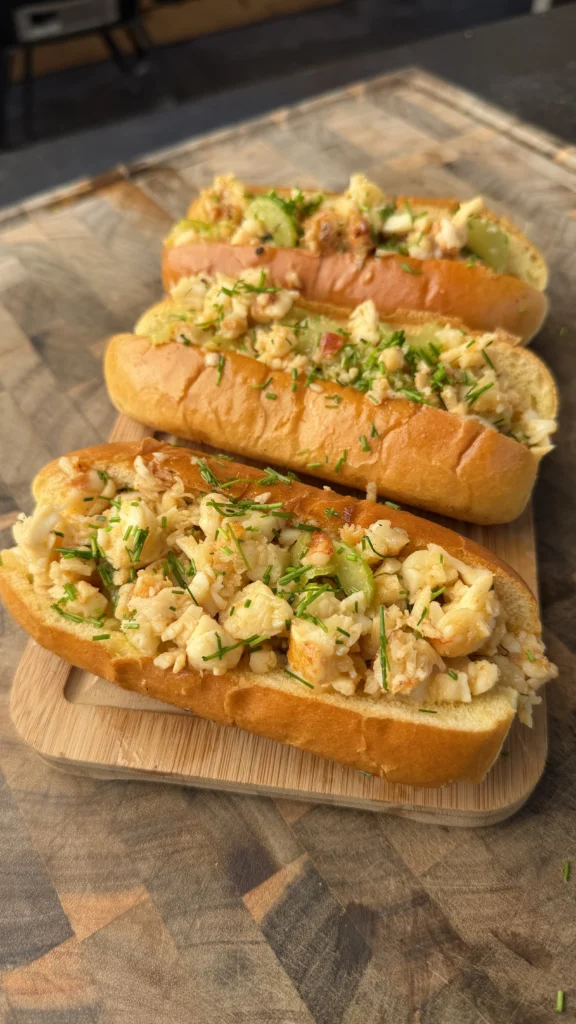
Grilled garlic butter lobster rolls are made by splitting 2 large lobster tails (8 ounces each) down the middle, skewering them to prevent curling, then grilling meat-side down at 375 to 400°F for approximately 6 minutes total until the internal temperature reaches 140°F. After removing the lobster meat from shells and cutting into bite-sized pieces, you toss it in a cast iron pan on the grill with 8 ounces melted unsalted butter, 1 whole head of minced garlic, 2 thinly sliced celery stalks, and ½ to 1 teaspoon Cajun or seafood seasoning until fragrant and combined. The garlic butter lobster mixture gets loaded into brioche buns that have been toasted on the grill with mayonnaise spread on the outside, creating golden, crispy exterior, then finished with fresh chopped chives.
The entire process takes 30 to 35 minutes from start to finish. This includes 10 minutes for prep work like splitting the lobster tails, mincing garlic, and slicing celery. Grilling the lobster takes about 6 minutes. Removing the meat from shells and cutting into pieces takes 5 minutes. Making the garlic butter mixture on the grill takes 5 to 7 minutes. Toasting the buns takes 2 to 3 minutes. Assembling the rolls takes another 2 to 3 minutes. You can prep the lobster tails and vegetables ahead of time, then just grill and assemble when ready to serve.
These brioche lobster rolls make 2 to 3 sandwiches depending on how generously you fill them. Two large 8-ounce lobster tails yield approximately 12 to 14 ounces of cooked meat after removing from shells. Each lobster roll uses about 4 to 5 ounces of lobster meat for a generously filled sandwich serving 2 people, or 3 to 4 ounces per roll for slightly lighter portions serving 3 people. The rolls are rich from the butter and brioche, so they’re substantial as a main course with simple sides like chips or coleslaw.
Jump to RecipeWhy 140°F Creates Perfect Lobster Texture
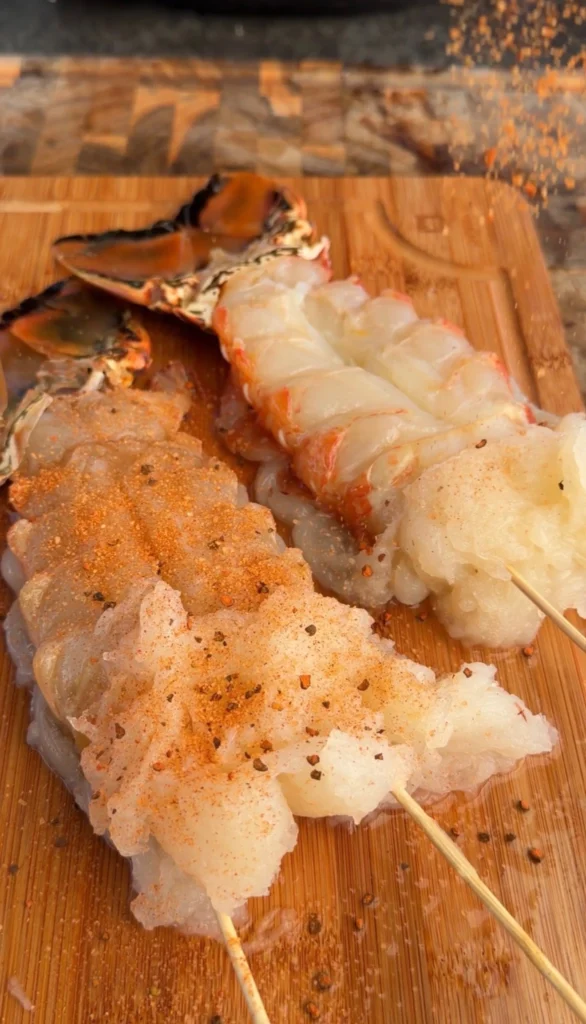
Protein Structure in Lobster Meat
Lobster meat is primarily protein with very little fat or connective tissue. The proteins are arranged in bundles of muscle fibers. When heated, these proteins denature and coagulate, changing from translucent to opaque white.
At temperatures below 130°F, the proteins haven’t fully denatured. The meat looks translucent or glassy. The texture is soft but mushy. This is undercooked lobster. It’s technically safe if the lobster was handled properly, but the texture is unpleasant.
At 130 to 135°F, the proteins are beginning to coagulate but the process isn’t complete. You’ll see some opaque white areas and some translucent areas. The texture is improving but inconsistent. This is the low end of acceptable doneness.
At 140°F, the proteins have fully coagulated throughout the meat. The lobster is completely opaque white. The texture is firm but tender. The meat has pleasant snap when you bite it. This is the sweet spot for lobster doneness.
What Happens Above 145°F
Beyond 145°F, the proteins continue contracting. The muscle fibers squeeze together tightly. Moisture gets forced out. The lobster becomes dry and rubbery.
At 150 to 160°F, lobster is noticeably tough. You can still eat it but the texture is chewy. The meat requires more chewing effort. This is the overcooked range that most people associate with bad lobster.
Above 160°F, lobster becomes severely overcooked. The meat is very tough and dry. It can be stringy or chalky. This ruins expensive lobster. Commercial operations sometimes overcook lobster this badly, which is why some people think they don’t like lobster when they’ve just never had properly cooked lobster.
Carryover Cooking Considerations
Lobster continues cooking from residual heat after removing from the grill. This carryover typically adds 2 to 5 degrees. For lobster rolls where you’re tossing the meat in hot butter, there’s additional cooking.
Pull lobster tails from the grill at 138 to 140°F. During resting and meat removal, they’ll reach 140 to 142°F. When you toss the meat in hot melted butter, it might reach 143 to 145°F. This is still acceptable. The brief butter toss doesn’t overcook the meat.
If you pull lobster at 145°F from the grill, the carryover plus butter tossing will bring it to 150°F+. This creates the rubbery texture you’re trying to avoid. The lower pull temperature prevents this.
Visual and Tactile Cues
At 140°F, lobster meat is completely opaque white throughout. When you cut into a piece, there should be no translucent areas. The color should be uniform white, possibly with slight pink tinge on the very surface.
The texture should feel firm but springy when you press it. It shouldn’t feel mushy or squishy. It also shouldn’t feel rock-hard. There should be pleasant resistance with some give.
When you cut lobster at proper doneness, the knife should slice through cleanly. Undercooked lobster feels slippery and soft under the knife. Overcooked lobster requires more pressure to cut and can feel rubbery.
Why Brioche Buns Work Better Than Traditional Split-Top Rolls
Butter Content and Richness
Brioche is an enriched bread containing eggs, butter, and often milk. The butter content is typically 20 to 30% of the flour weight. This creates tender, rich crumb. Traditional New England split-top rolls are leaner with minimal fat.
The richness of brioche complements the garlic butter lobster filling. You get butter in the bread and butter in the filling. This creates cohesive richness throughout the sandwich. Traditional rolls are more neutral, which works for mayo-based lobster salad but not for butter-based preparation.
The eggs in brioche also contribute to tenderness and flavor. Egg yolks add color, creating golden interior. The protein from eggs creates structure that stays tender rather than becoming tough.
Toasting Characteristics
Brioche toasts beautifully due to its sugar content. The dough typically contains sugar at 10 to 15% of flour weight. This sugar caramelizes during toasting, creating golden-brown color and sweet notes.
When you spread mayo on the exterior and toast brioche on the grill, the sugar and butter in the bread combine with the mayo’s fat. This creates crispy, caramelized crust with complex flavor. Traditional split-top rolls toast well but don’t develop the same depth.
The tender crumb of brioche also toasts without becoming hard or brittle. White bread can become very hard when toasted aggressively. Brioche stays tender inside while crisping outside. This textural contrast is ideal.
Structural Strength for Heavy Fillings
Despite being tender, brioche has sufficient structure to hold heavy, buttery lobster filling. The eggs and butter create strong but flexible crumb. The bread compresses slightly when you bite but doesn’t fall apart.
Traditional split-top rolls can become soggy when loaded with butter-based filling. The lean dough absorbs liquid readily. Brioche, being already rich with fat, resists absorbing additional butter. The filling sits on the bread rather than soaking in.
The shape of brioche buns also helps. Most brioche burger buns or hot dog buns have substantial thickness. This provides more bread to support the filling. Some split-top rolls are quite thin and can’t support heavy lobster portions.
Flavor Balance
Brioche has slight sweetness from the sugar. This sweetness balances the savory garlic butter and Cajun seasoning. The contrast is pleasant. All-savory components with no sweet element can taste one-dimensional.
Traditional New England lobster rolls often use unsweetened split-top rolls to let the lobster shine. This works for cold mayo-based preparation where you want clean lobster flavor. For hot garlic butter preparation, the brioche sweetness enhances the overall profile.
The butter in brioche also reinforces the butter in the filling. You get layered butter flavor from two sources. This creates richness that’s intentional rather than accidental.
How Grilling Lobster Creates Different Flavor Than Boiling
Maillard Reaction and Browning
Grilling exposes lobster meat to dry heat above 300°F. This triggers the Maillard reaction between proteins and sugars on the meat surface. The reaction creates hundreds of flavor compounds including toasted, nutty, caramelized notes.
Boiling keeps lobster submerged in 212°F water. Water’s maximum temperature prevents Maillard reaction. Boiled lobster tastes clean and sweet but lacks the complexity that browning provides.
The light char marks from grill grates add slight bitterness that balances lobster’s natural sweetness. This creates more interesting flavor profile than one-note boiled lobster. The char is subtle, not aggressive.
Smoke Flavor Integration
Even gas grills produce some smoke from vaporized drippings. When butter from basting or natural lobster juices hit the grates, they vaporize and create smoke. This smoke flavor penetrates the meat surface.
Charcoal grills create additional smoke from the charcoal itself. This adds another flavor layer. Wood pellet grills offer even more smoke character. The smoke complements the garlic and butter rather than overwhelming delicate lobster.
Boiled lobster has zero smoke character. The flavor is purely from the lobster and whatever you add to the boiling water like salt or seaweed. This is traditional but less complex than grilled.
Moisture Retention Differences
Grilling allows moisture to evaporate from lobster surface. This concentrates flavor. The exterior becomes slightly drier, creating textural contrast with the juicy interior. The surface has more intense lobster flavor than the center.
Boiling keeps lobster completely surrounded by moisture. The meat stays uniformly moist but can become waterlogged. Sometimes boiled lobster tastes diluted or watery. The moisture penetrates the meat rather than staying on the surface.
For lobster rolls where you’re adding butter sauce, grilled lobster’s slightly drier surface absorbs the garlic butter better. Boiled lobster’s wet surface can create separation between meat and butter. The butter slides off rather than clinging.
Temperature Control and Precision
Grilling gives you direct temperature control via instant-read thermometer. You can monitor the internal temperature continuously. You pull the lobster at exactly 140°F. This precision prevents overcooking.
Boiling requires timing-based cooking. You estimate doneness based on minutes per pound. Different lobster sizes need different times. It’s easier to overcook or undercook with boiling because you’re guessing.
The direct heat of grilling also cooks faster than boiling. Six minutes on the grill versus 8 to 12 minutes in boiling water for similar-sized tails. Faster cooking can mean more tender results with less opportunity for overcooking.
Garlic Butter Lobster Rolls
Grilled to 140°F, tossed in garlic butter, brioche buns
Ingredients
Lobster
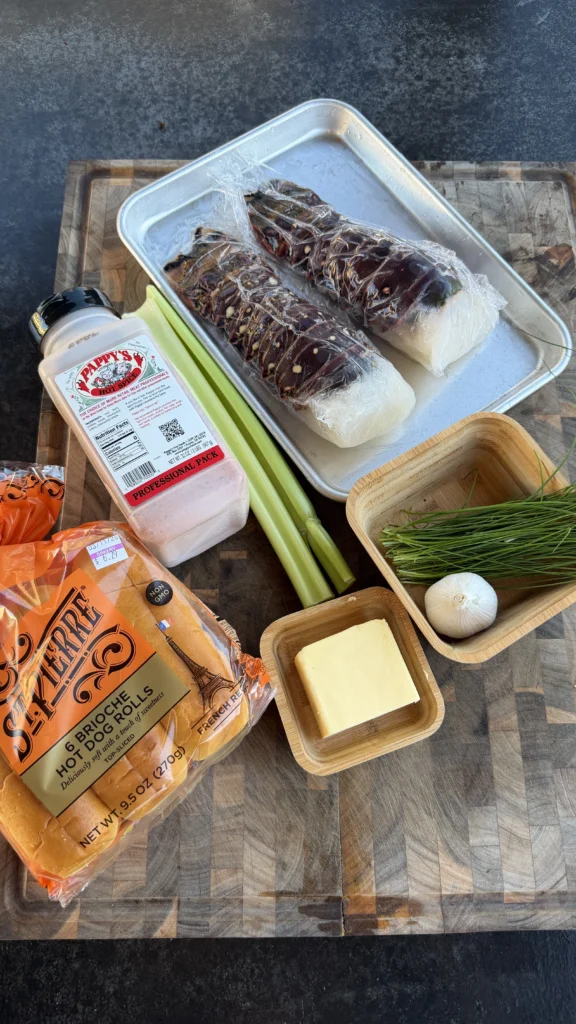
- 2 large lobster tails (8 oz each, or 3 smaller tails)
- Metal skewers (for preventing curl)
Garlic Butter Mixture
- 8 oz unsalted butter
- 1 whole head garlic (minced)
- 2 celery stalks (thinly sliced)
- ½ to 1 teaspoon Cajun or seafood seasoning
- Fresh chives (chopped, for mixing and garnish)
Buns
- 2 to 3 brioche buns
- Mayonnaise (for toasting buns)
Pull lobster tails at 140°F exactly, not higher. Skewers prevent curling and create even cooking. Use brioche buns instead of split-top rolls for this butter-based preparation. The richness of brioche complements garlic butter better than lean rolls. Toast buns with mayo on the outside for golden, crispy crust.
Step-by-Step Instructions
Step 1: Prep the Lobster Tails
Place lobster tails shell-side down on a cutting board. Using kitchen shears or a sharp knife, cut down the center of the shell from the thick end toward the tail fan. Cut through the shell but not all the way through the meat.
Gently pry the shell open slightly. The lobster meat should be visible through the split shell. Don’t remove the meat yet. It stays in the shell for grilling.
Run a metal skewer lengthwise through the lobster meat. Insert the skewer from the tail end and push it through the entire length of the meat. The skewer should go straight through the center. This prevents the tail from curling during cooking.
Repeat with the second lobster tail. If using 3 smaller tails, skewer all three.
Step 2: Preheat the Grill
Preheat your grill to medium heat, approximately 375 to 400°F. For gas grills, set burners to medium. For charcoal, let coals burn down from white-hot to medium heat with some ash coverage.
Clean the grill grates thoroughly with a wire brush. Oil the grates lightly using a paper towel dipped in neutral oil held with tongs. Lobster can stick to dirty or dry grates.
Place a cast iron skillet or grill-safe pan on the grill grates. Let it preheat while you grill the lobster. You’ll use this pan for making the garlic butter mixture.
Step 3: Grill the Lobster Tails
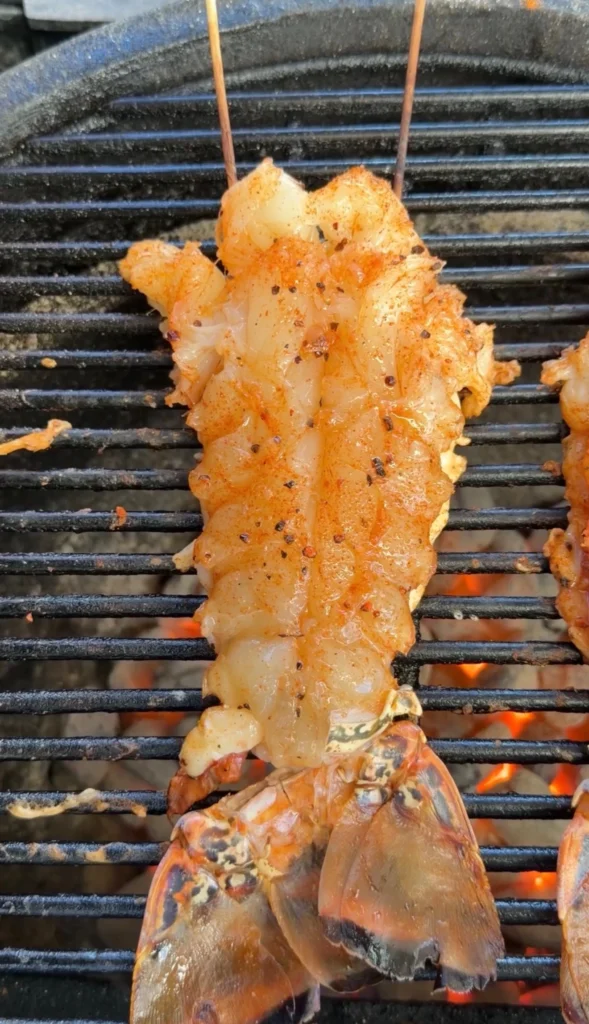
Place lobster tails on the grill grates meat-side down. The shell side should be facing up. Close the grill lid.
Grill for 3 minutes on the meat side. The meat will develop light grill marks. Don’t move or flip the tails during this time.
After 3 minutes, flip the lobster tails so the shell side is down and meat side is up. Close the lid again.
Grill for another 3 minutes on the shell side. Check the internal temperature by inserting an instant-read thermometer into the thickest part of the meat. You’re looking for 140°F.
If the temperature is below 138°F, continue cooking and check every minute. Different tail sizes affect cooking time. Smaller tails might be done in 5 minutes total. Larger tails might need 7 minutes.
When the lobster reaches 140°F, remove from the grill. Place on a cutting board and let rest for 2 to 3 minutes.
Step 4: Remove Meat from Shells
Once rested, remove the skewers from the lobster tails. Gently pull them out. The meat should be firm enough to hold its shape now.
Using your fingers or kitchen shears, carefully remove the lobster meat from the shells. The meat should come out in one large piece per tail. Peel away any remaining bits of shell or membrane.
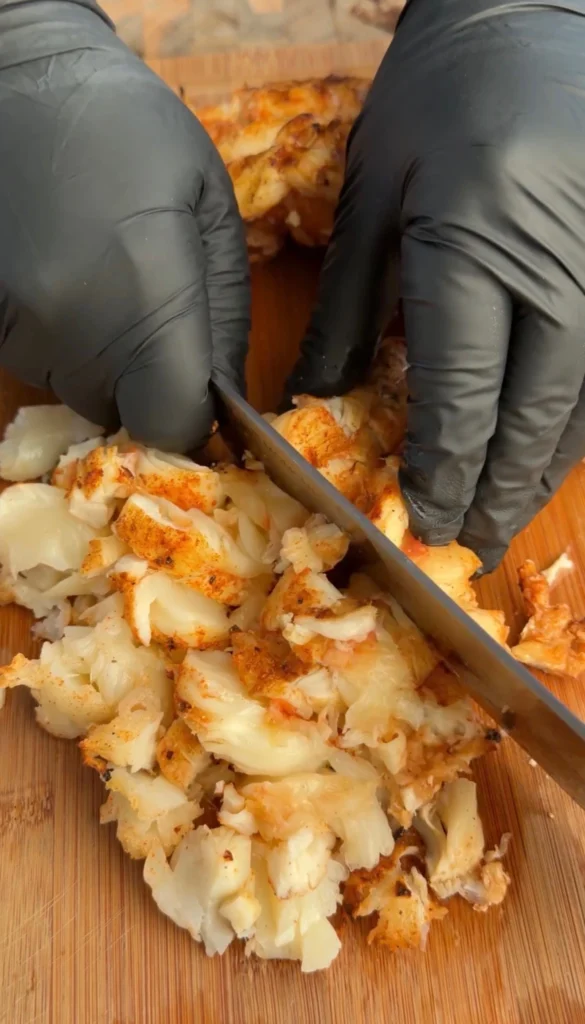
Cut the lobster meat into bite-sized pieces, approximately ½ to ¾ inch chunks. Don’t cut too small or the lobster will be lost in the butter. Don’t leave too large or it won’t fit well in the bun.
Set the cut lobster aside while you make the garlic butter mixture.
Step 5: Make the Garlic Butter Mixture
Add 8 ounces unsalted butter to the preheated cast iron pan on the grill. Let the butter melt completely. It should be liquid and gently bubbling but not browning.
Add 2 thinly sliced celery stalks to the melted butter. Sauté the celery in the butter for 2 to 3 minutes, stirring occasionally. The celery should soften slightly but still have some crunch.
Add 1 whole head of minced garlic to the pan. Stir constantly. Cook for 30 to 45 seconds until the garlic becomes fragrant. Don’t let the garlic brown or burn. It should stay light golden to white.
Add ½ to 1 teaspoon Cajun or seafood seasoning to the butter mixture. Stir to distribute the seasoning evenly.
Add the cut lobster meat to the pan. Gently fold the lobster into the garlic butter mixture. Use a spoon or spatula to coat every piece with butter. Be gentle to avoid breaking up the lobster chunks.
Add a handful of freshly chopped chives to the mixture. Fold them in gently. The heat will release their onion-like aroma.
Remove the pan from the grill heat. The lobster is already cooked to 140°F. You’re just coating it with butter, not cooking it further.
Step 6: Toast the Brioche Buns
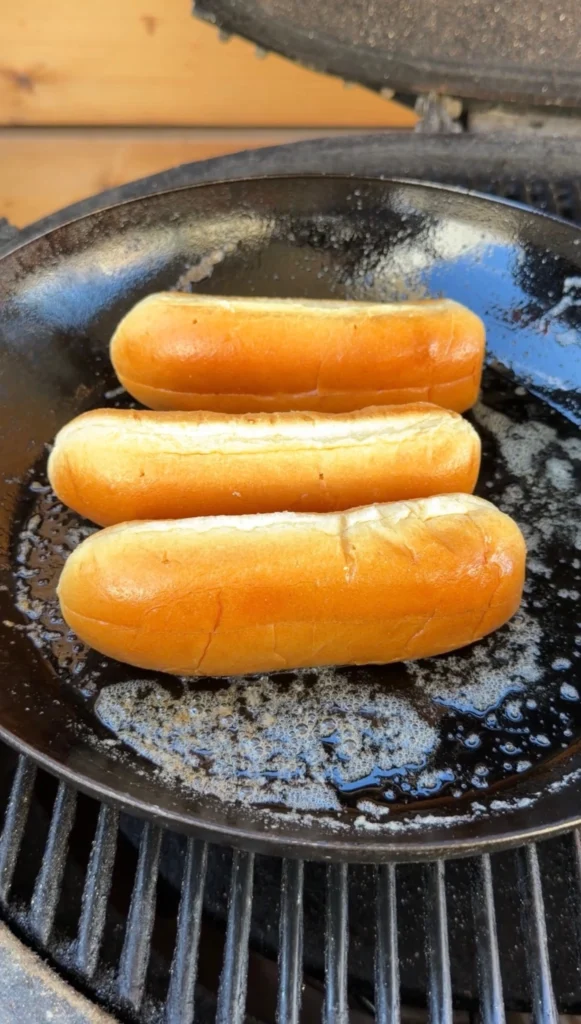
Spread a thin layer of mayonnaise on the outside surfaces of each brioche bun. The outside is the rounded top and bottom, not the cut interior surfaces.
Place the buns mayo-side down on the grill grates. The interior of the buns should be facing up, not touching the grill.
Toast for 1 to 2 minutes until the mayo-coated exterior is golden brown and slightly crispy. Watch carefully to prevent burning. The sugar in brioche can burn quickly.
Remove the toasted buns from the grill. Place them on a serving plate with the toasted sides as the exterior and the soft interior ready to hold filling.
Step 7: Assemble the Lobster Rolls
Open each toasted brioche bun. The soft, untoasted interior should be exposed and ready for filling.
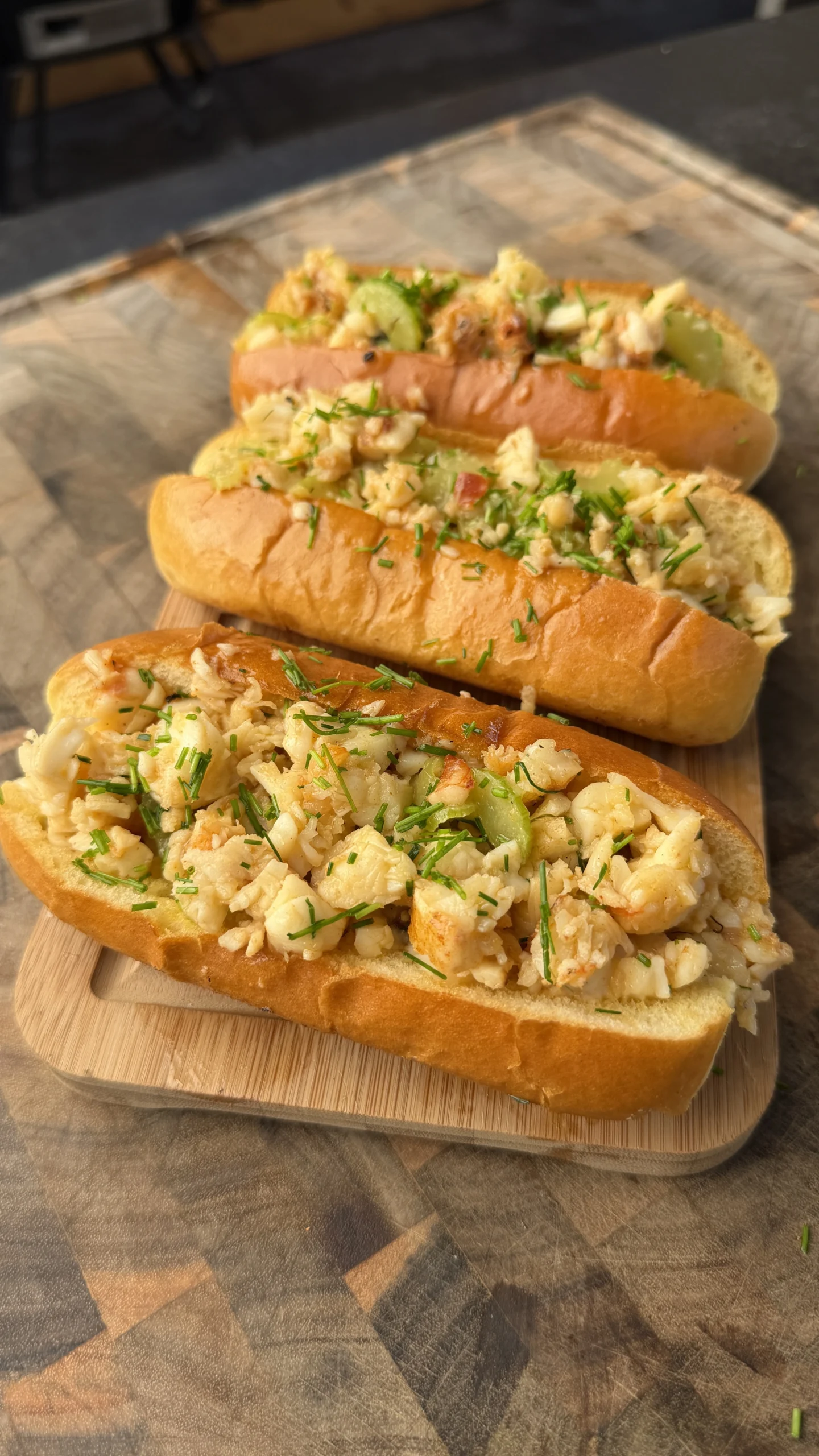
Using a slotted spoon, scoop the garlic butter lobster mixture into each bun. Fill generously. Each roll should get 4 to 5 ounces of lobster meat plus some celery and garlic.
Spoon additional garlic butter from the pan over the top of each filled roll. Drizzle the butter generously. This adds extra richness and keeps the lobster moist.
Garnish with more chopped fresh chives on top. The bright green provides color contrast against the white lobster and golden bun.
Serve immediately while the lobster is hot and the buns are crispy. The lobster rolls are best within 5 minutes of assembly before the butter soaks into the bun.
Optional: squeeze fresh lemon over the top just before serving. The acid brightens the rich butter and balances the garlic.
Grilled Garlic Butter Lobster Rolls
Ingredients
Equipment
Method
- Split lobster tails down center of shell. Run metal skewers lengthwise through meat to prevent curling.
- Preheat grill to 375 to 400°F. Clean and oil grates. Place cast iron pan on grill to preheat.
- Grill lobster tails meat-side down 3 minutes. Flip shell-side down. Grill 3 more minutes until internal temperature reaches 140°F. Remove and rest.
- Remove skewers and lobster meat from shells. Cut into bite-sized pieces (½ to ¾ inch chunks).
- In preheated cast iron pan on grill, melt 8 oz butter. Add sliced celery. Sauté 2 to 3 minutes. Add minced garlic. Cook 30 to 45 seconds until fragrant.
- Add Cajun seasoning. Stir to combine. Add cut lobster meat. Gently fold to coat with butter. Add chopped chives. Remove from heat.
- Spread mayo on outside of brioche buns. Toast mayo-side down on grill 1 to 2 minutes until golden.
- Fill toasted buns with garlic butter lobster mixture (4 to 5 oz per roll). Drizzle extra butter from pan over top. Garnish with more chives. Serve immediately.
Nutrition
Notes
Tried this recipe?
Let us know how it was!Frequently Asked Questions
Can You Use Frozen Lobster Tails?
Frozen lobster tails work well if properly thawed. Thaw in refrigerator overnight for best results. Place frozen tails in a container to catch any liquid. Don’t thaw at room temperature or in hot water.
Once thawed, pat the lobster tails dry with paper towels. Excess moisture prevents proper searing on the grill. The tails should feel firm but pliable when properly thawed.
Never refreeze thawed lobster. Cook it within 24 hours of thawing. The quality degrades rapidly once thawed.
Fresh lobster tails have slightly better texture and flavor than frozen but the difference is small if you use high-quality frozen tails. Many restaurants use frozen tails year-round.
What Size Lobster Tails Work Best?
Eight-ounce tails are ideal for this recipe. They’re large enough to provide substantial meat but not so large that they overcook on the exterior before the interior reaches 140°F.
Four to six-ounce tails work but cook very quickly. Check temperature after 4 minutes total grilling time. They might be done in 5 minutes instead of 6.
Ten to twelve-ounce tails take longer to cook. They might need 8 to 10 minutes total grilling time. The larger size makes temperature monitoring more critical.
For consistency, try to use tails of similar size. If you have mixed sizes, cook them separately. Remove smaller tails first when they hit 140°F, then continue cooking larger tails.
Can You Make This Without a Grill?
Oven broiling works as an alternative. Preheat broiler to high. Place split, skewered lobster tails on a baking sheet. Broil 4 to 6 inches from element for 5 to 7 minutes until 140°F.
The garlic butter mixture can be made on the stovetop in a skillet. Melt butter over medium heat, add celery and garlic, then proceed as written.
You won’t get the same smoky char flavor from broiling that grilling provides. The lobster will still taste good but lack that grilled complexity.
For the buns, toast them in a skillet on the stovetop with mayo spread on the outside. This creates similar golden crust to grilling.
What Goes Well with Garlic Butter Lobster Rolls?
Simple sides work best with rich lobster rolls. Kettle-cooked potato chips provide crunch and salt without competing flavors. The chips’ simplicity lets the lobster shine.
Coleslaw with vinegar-based dressing offers cool, acidic contrast to hot, buttery lobster. Skip creamy coleslaw which adds too much richness. Use tangy slaw instead.
Corn on the cob grilled alongside the lobster continues the summer cookout theme. Brush with butter and season with salt. The sweet corn complements savory lobster.
Simple green salad with lemon vinaigrette provides fresh, light contrast. Use mixed greens, cucumber, and tomato. The acid cuts through the butter.
Avoid heavy, rich sides. The lobster rolls are already indulgent. Light, fresh, or acidic sides create better balance.
How Do You Store Leftover Lobster Meat?
Store cooked lobster meat in airtight container in refrigerator for up to 2 days. Separate the lobster from the garlic butter sauce if possible. The lobster keeps better without sitting in butter.
Store the garlic butter sauce separately. It refrigerates well for 3 to 4 days. Reheat gently before using with fresh lobster or on other seafood.
Don’t freeze cooked lobster meat. Freezing damages the delicate texture. The lobster becomes mushy and watery when thawed.
To use leftover lobster, reheat gently. Add to warm butter or use cold in a traditional mayo-based lobster salad. Don’t microwave on high power or the lobster will toughen.
Leftover lobster rolls don’t keep well. The butter soaks into the bun. The buns become soggy. Make only what you’ll eat immediately.
Ready to Level Up?
Take your backyard cooking from good to legendary.
This is where I keep all my most-used smokers, knives, and favorite cooking tools.
Shop My Gear CollectionExplore More Recipes
Find more diverse flavors at CWFeats.com