Garlic soy honey smoked salmon starts with skin-on salmon fillets scored in a light crosshatch pattern, brushed heavy with a glaze made from soy sauce, honey, minced garlic, olive oil, lemon juice, and black pepper, then smoked at 225°F on butcher paper or cedar planks until 140°F internal. The scoring creates channels that pull the glaze deep into the fish for maximum caramelization and flavor penetration. A second coat of glaze halfway through the smoke builds a sticky, lacquered finish. Serves 2 to 4.
Jump to Recipe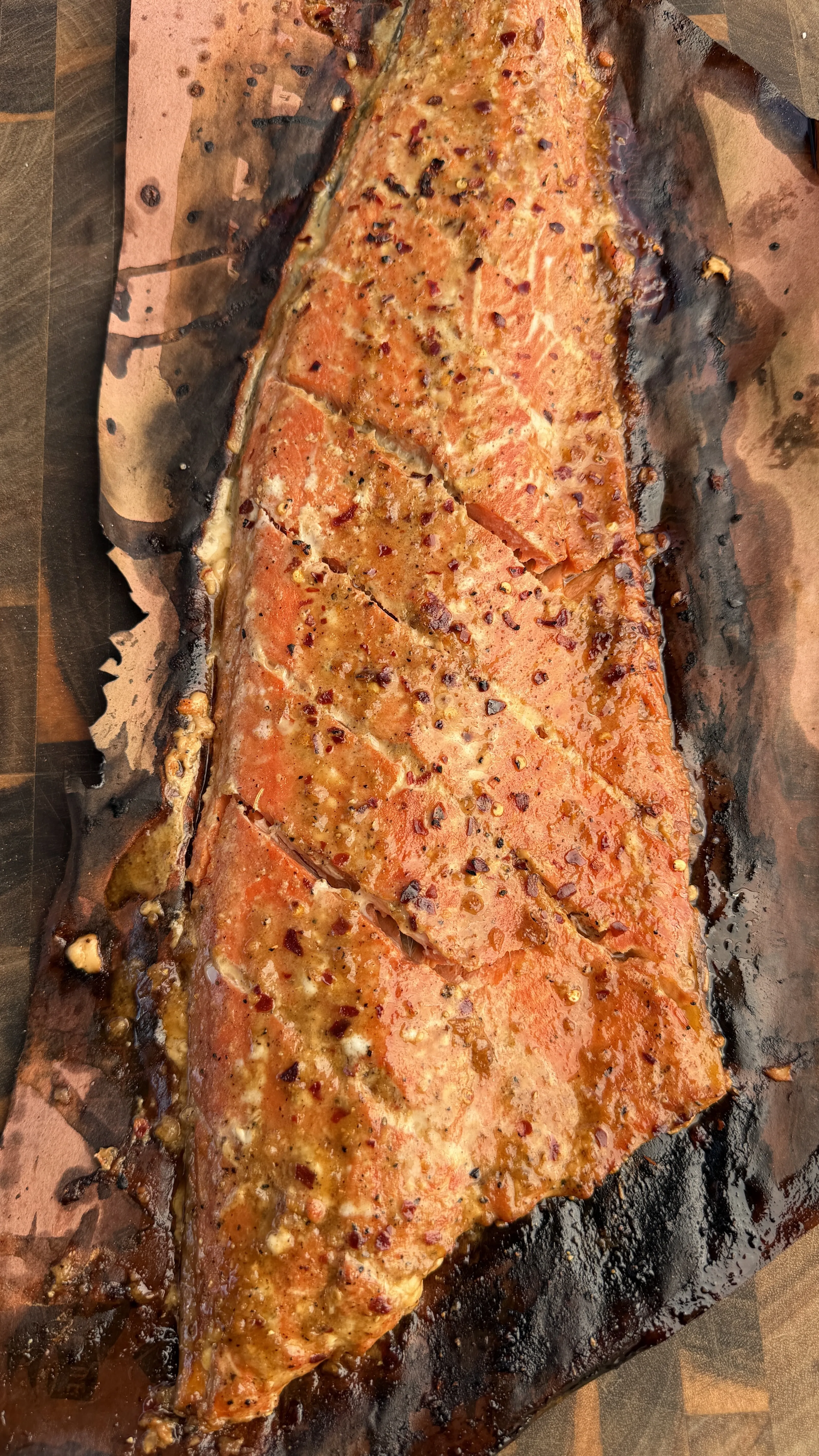
Why Scoring Salmon Changes the Entire Cook
More Surface Area for the Glaze
Scoring cuts a light crosshatch pattern into the top of the salmon fillet. These channels do two things. First, they increase the surface area exposed to the glaze. Instead of the glaze sitting on a flat surface, it flows into the cuts and coats the walls of each channel. Second, the exposed flesh inside each score line caramelizes during the smoke, creating sticky, golden ridges across the top of the fillet.
Without scoring, the glaze forms a thin layer on the surface that slides off as the salmon cooks. With scoring, the glaze gets trapped in the channels and soaks into the fish from multiple angles. The result is flavor penetration throughout the fillet, not just on the top.
How Deep to Score
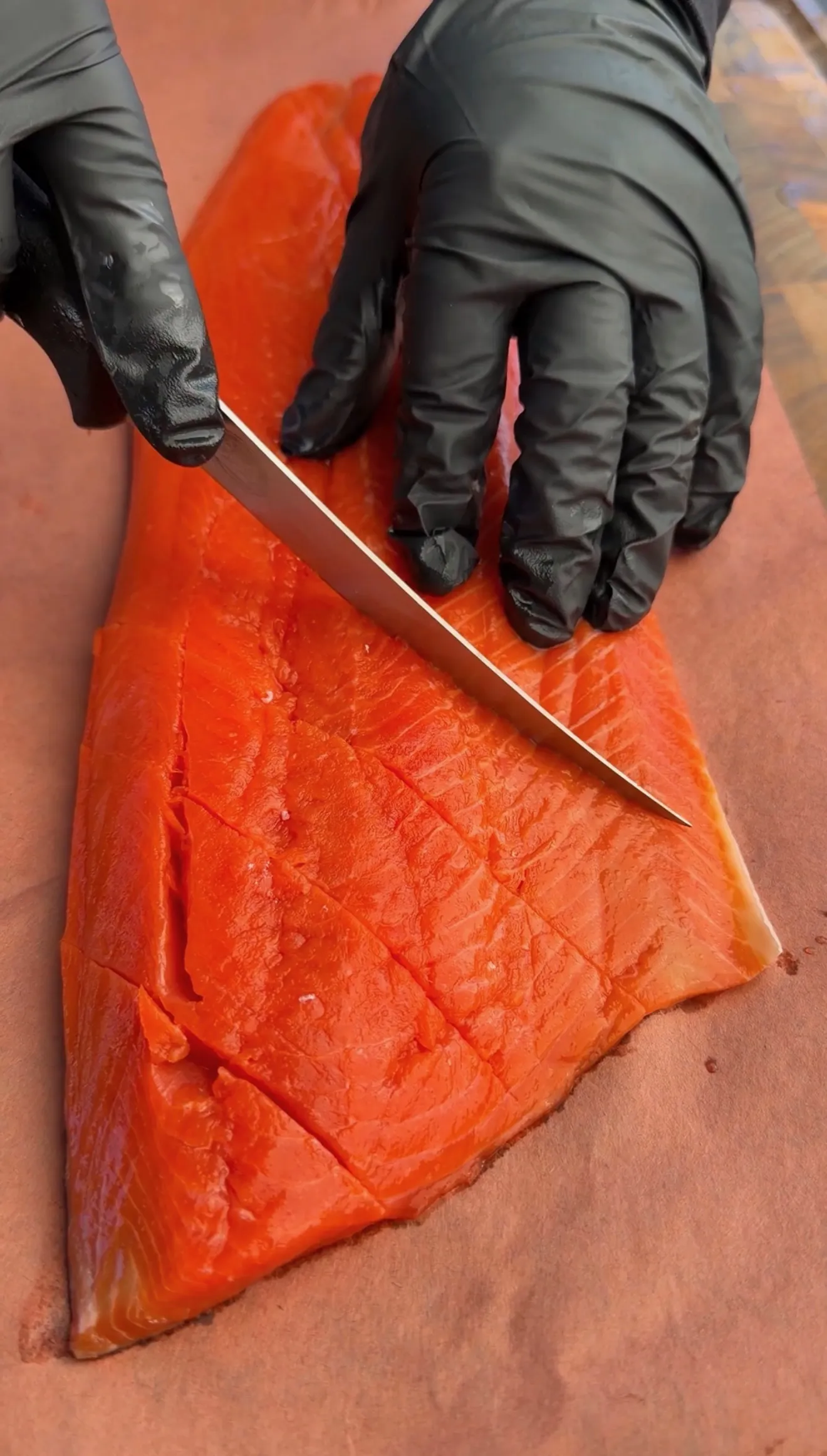
Cut about 1/4 inch deep into the flesh. You want to open the surface without cutting all the way through to the skin. Too shallow and the cuts close during cooking. Too deep and the fillet falls apart when you try to slice it. A sharp knife at a slight angle creates clean channels that stay open during the smoke and hold the glaze in place.
The Garlic Soy Honey Glaze
Sweet, Salty, and Umami in One Coat
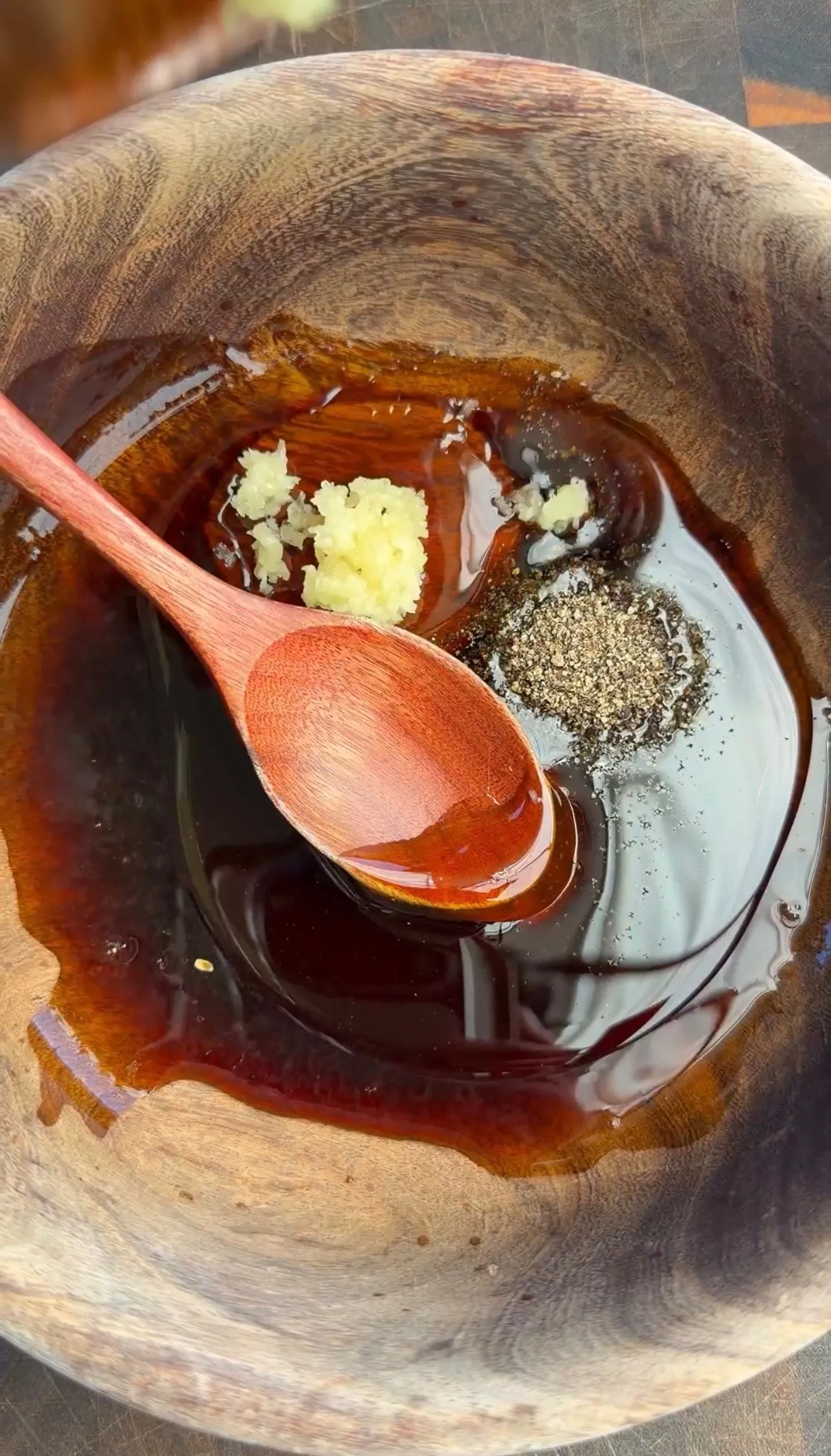
The glaze combines 3 tablespoons soy sauce, 3 tablespoons honey, 4 to 5 minced garlic cloves, 1 tablespoon olive oil, 1 tablespoon lemon juice, and 1 teaspoon black pepper. The soy sauce provides salt and deep umami. The honey provides sweetness that caramelizes in the smoker’s heat. The garlic adds savory depth. The lemon juice adds brightness that cuts through the richness of the salmon’s natural fat.
Brush It Heavy, Then Brush Again
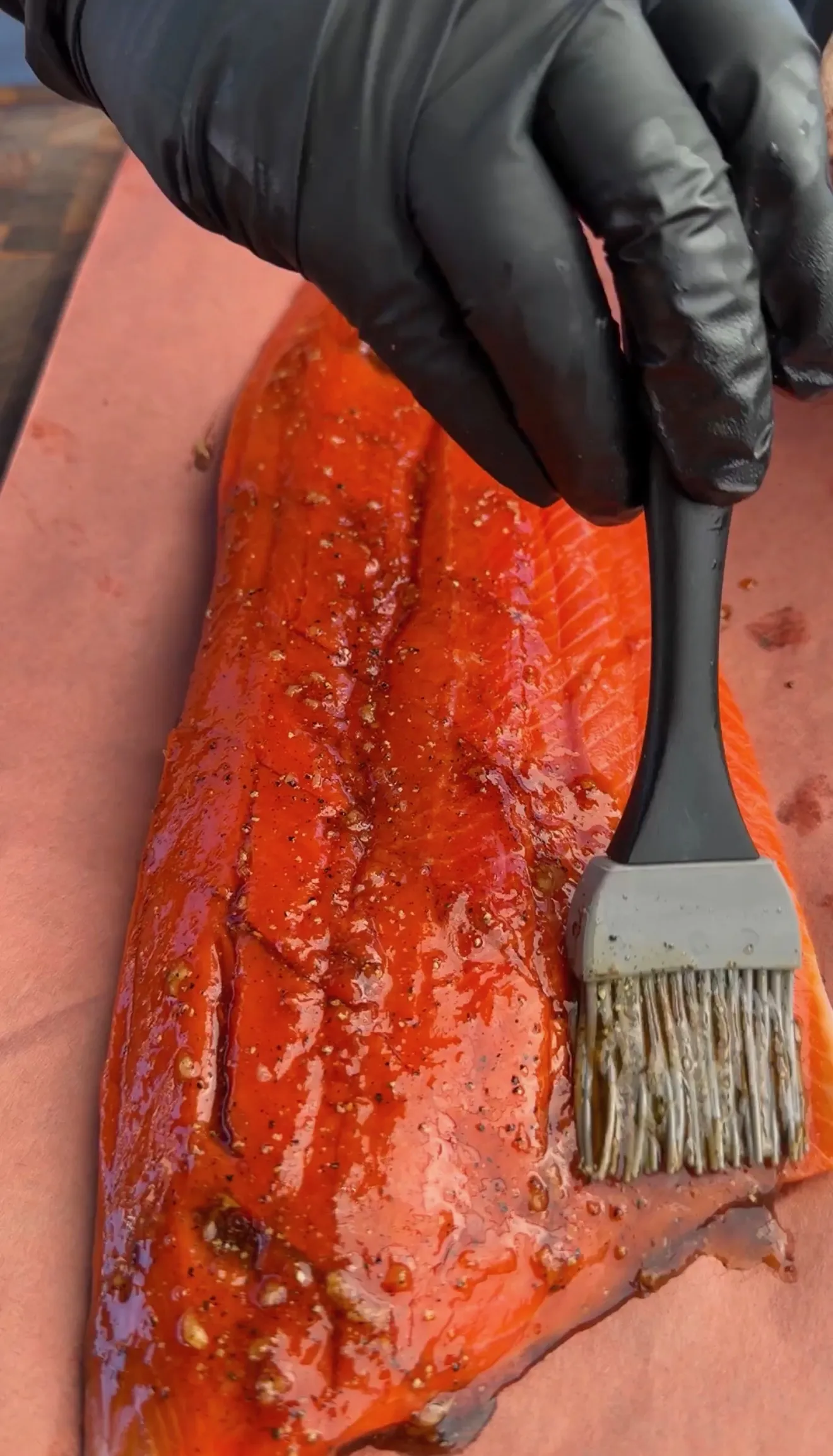
The first coat of glaze goes on before the salmon hits the smoker. Brush it generously into every score line, making sure the channels are filled. The second coat goes on halfway through the smoke. This layered application builds a sticky, lacquered finish on the surface. The first coat caramelizes and sets. The second coat adds a fresh layer of gloss and sweetness on top of the already-set base.
Butcher Paper vs. Cedar Plank for Smoked Salmon
Butcher Paper: Cleaner Smoke, Softer Texture
Placing the salmon on butcher paper allows the smoke to circulate around the fillet while providing a clean, non-stick surface. The paper absorbs some of the rendered fat, keeping the bottom of the fillet from sitting in liquid. The result is a cleaner smoke flavor and a softer, more delicate texture. Butcher paper is the best choice if you want the garlic soy honey glaze to be the dominant flavor.
Cedar Plank: More Wood Aroma, Firmer Bite
A soaked cedar plank adds its own wood aroma to the salmon during the smoke. The plank smolders at the edges, releasing aromatic compounds that infuse the fish with a distinct cedar flavor. The plank also acts as an insulator between the salmon and the heat source, which produces a slightly firmer texture. Use a cedar plank if you want an additional layer of woodsy flavor on top of the glaze.
If using a cedar plank, soak it in water for at least 1 hour before smoking. A dry plank can catch fire and char the bottom of the salmon.
Smoking Salmon at 225°F to 140°F Internal
Low and Slow Preserves Moisture
Salmon is a fatty fish, but it dries out quickly at high temperatures. Smoking at 225°F cooks the fish slowly enough that the fat renders gradually and bastes the flesh from the inside. The low temperature also gives the glaze time to caramelize without burning. At higher temperatures, the honey in the glaze scorches before the salmon reaches temperature.
Pull at 140°F, Not 145°F
The USDA recommends 145°F for fish, but salmon pulled at 140°F carries over to 145°F while resting. Pulling at 145°F means the salmon is actually 148 to 150°F by the time you serve it, which produces dry, chalky flesh. At 140°F, the salmon is opaque throughout, flakes easily with a fork, and still has a moist, silky interior. Use an instant-read thermometer inserted into the thickest part of the fillet to verify.
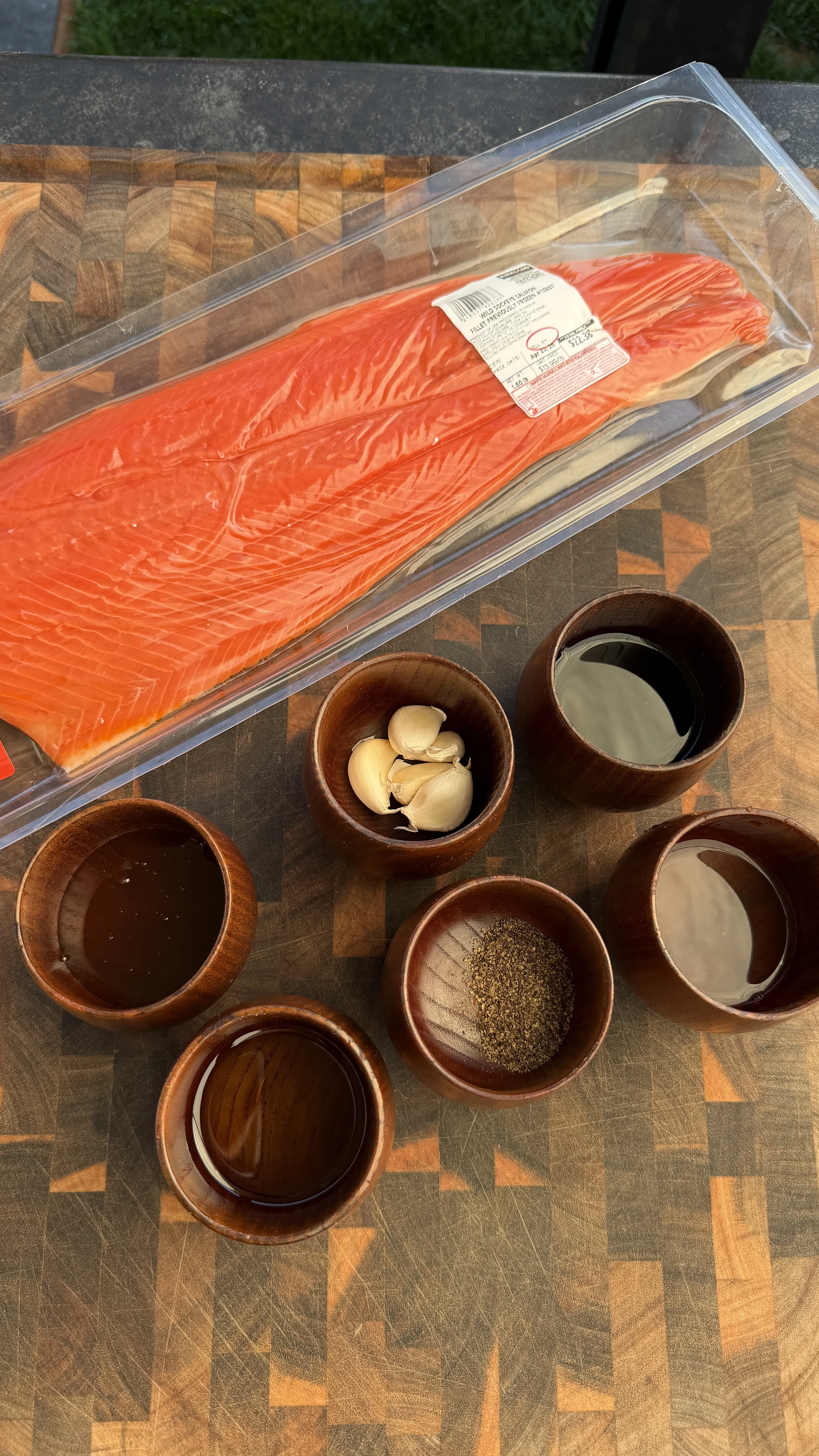
Step-by-Step: How to Make Garlic Soy Honey Smoked Salmon
Step 1: Score the Salmon
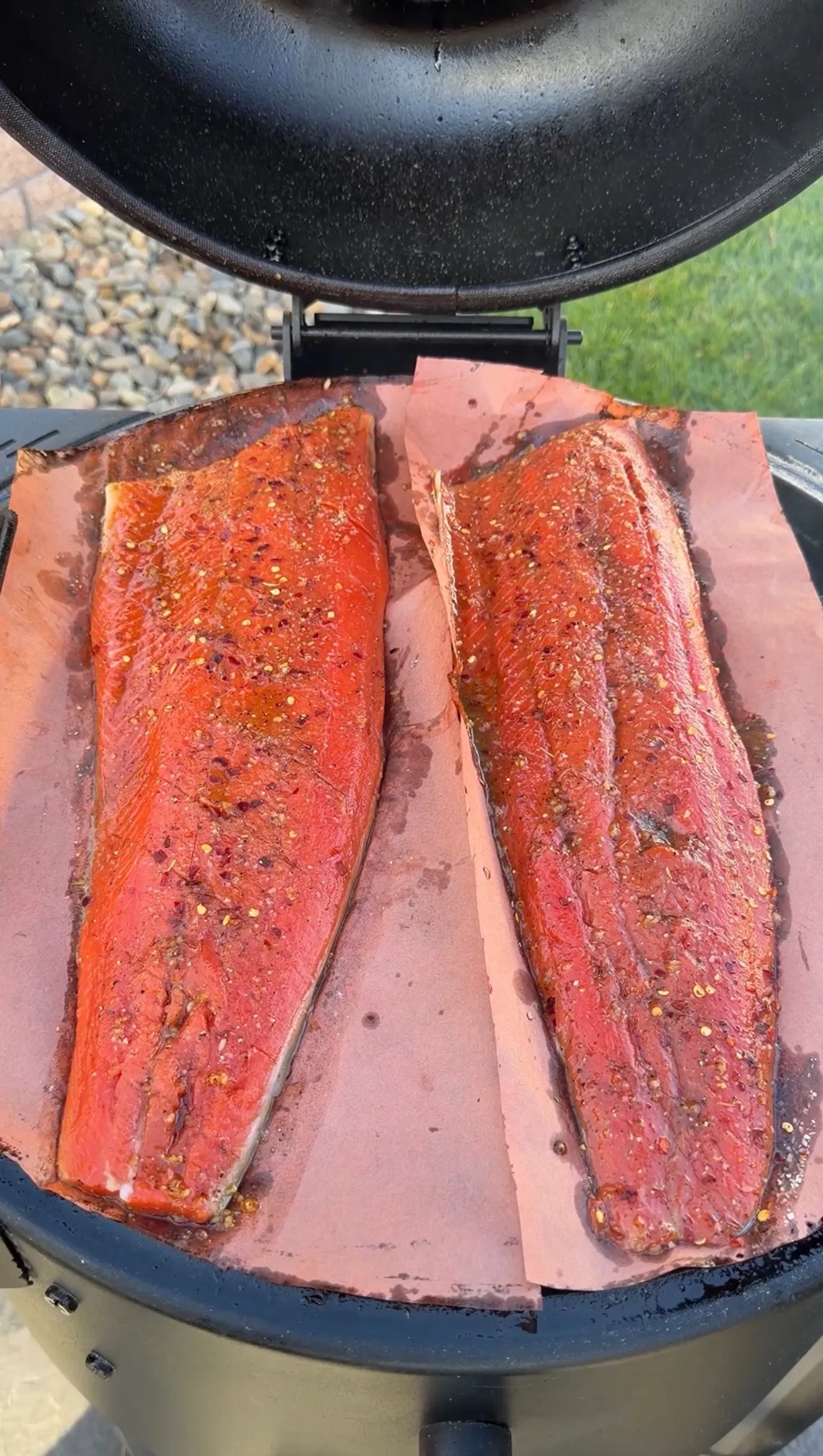
Pat the salmon fillets dry with paper towels. Using a sharp knife, cut a light crosshatch pattern into the top of each fillet. Score about 1/4 inch deep into the flesh without cutting through to the skin. The crosshatch creates channels that hold the glaze and expose more surface area for caramelization during the smoke.
Step 2: Make the Glaze
In a bowl, mix 3 tablespoons soy sauce, 3 tablespoons honey, 4 to 5 minced garlic cloves, 1 tablespoon olive oil, 1 tablespoon lemon juice, and 1 teaspoon black pepper. Stir until the honey is fully dissolved and the glaze is smooth. Reserve about 1/3 of the glaze for the mid-smoke brush.
Step 3: Glaze It Heavy
Brush the glaze generously over the scored salmon fillets. Work the glaze into every score line so it fills the channels and soaks into the cuts. The deeper the glaze penetrates, the more flavor and caramelization you get during the smoke. Coat the entire top surface heavily.
Step 4: Smoke at 225°F
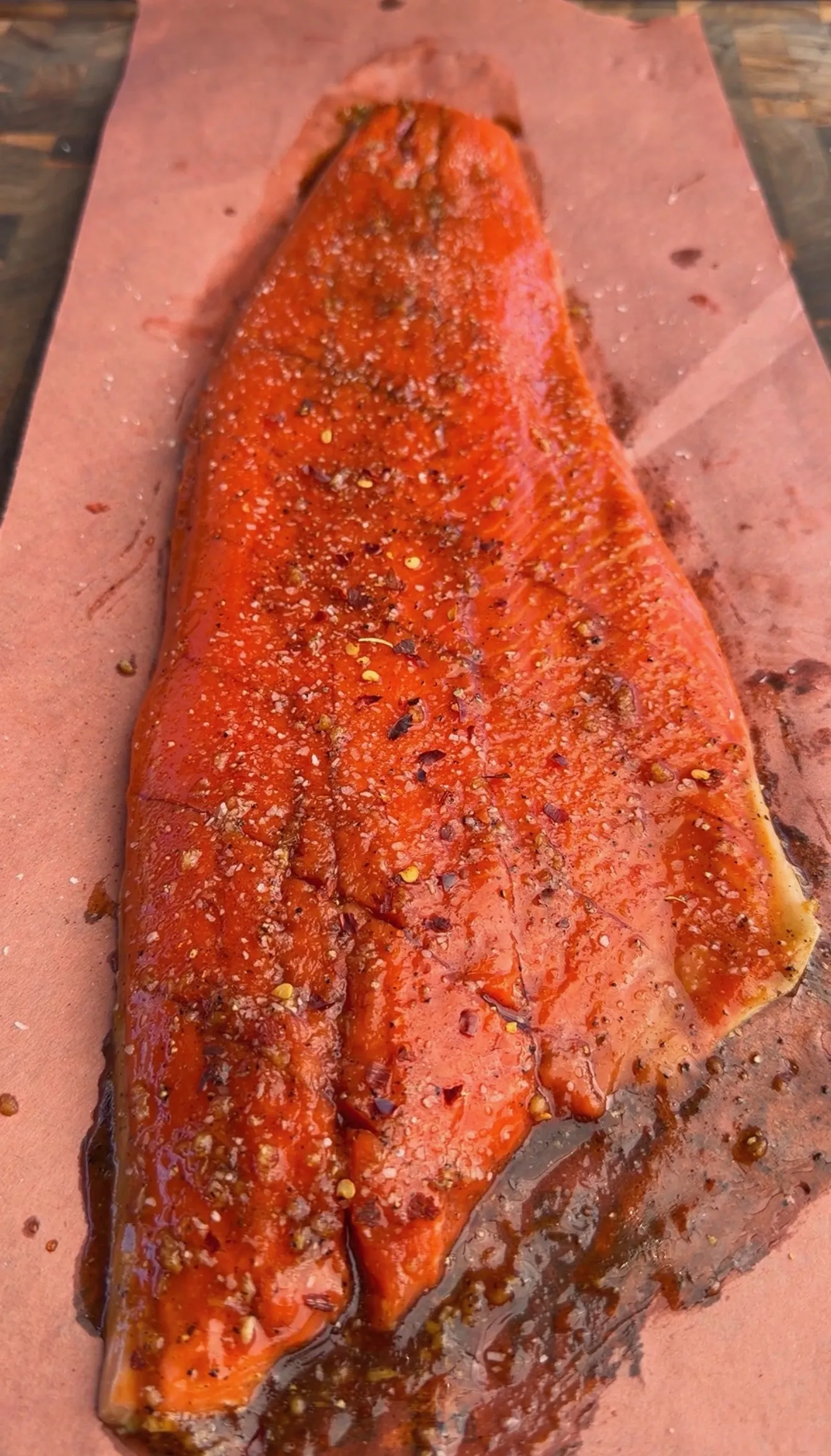
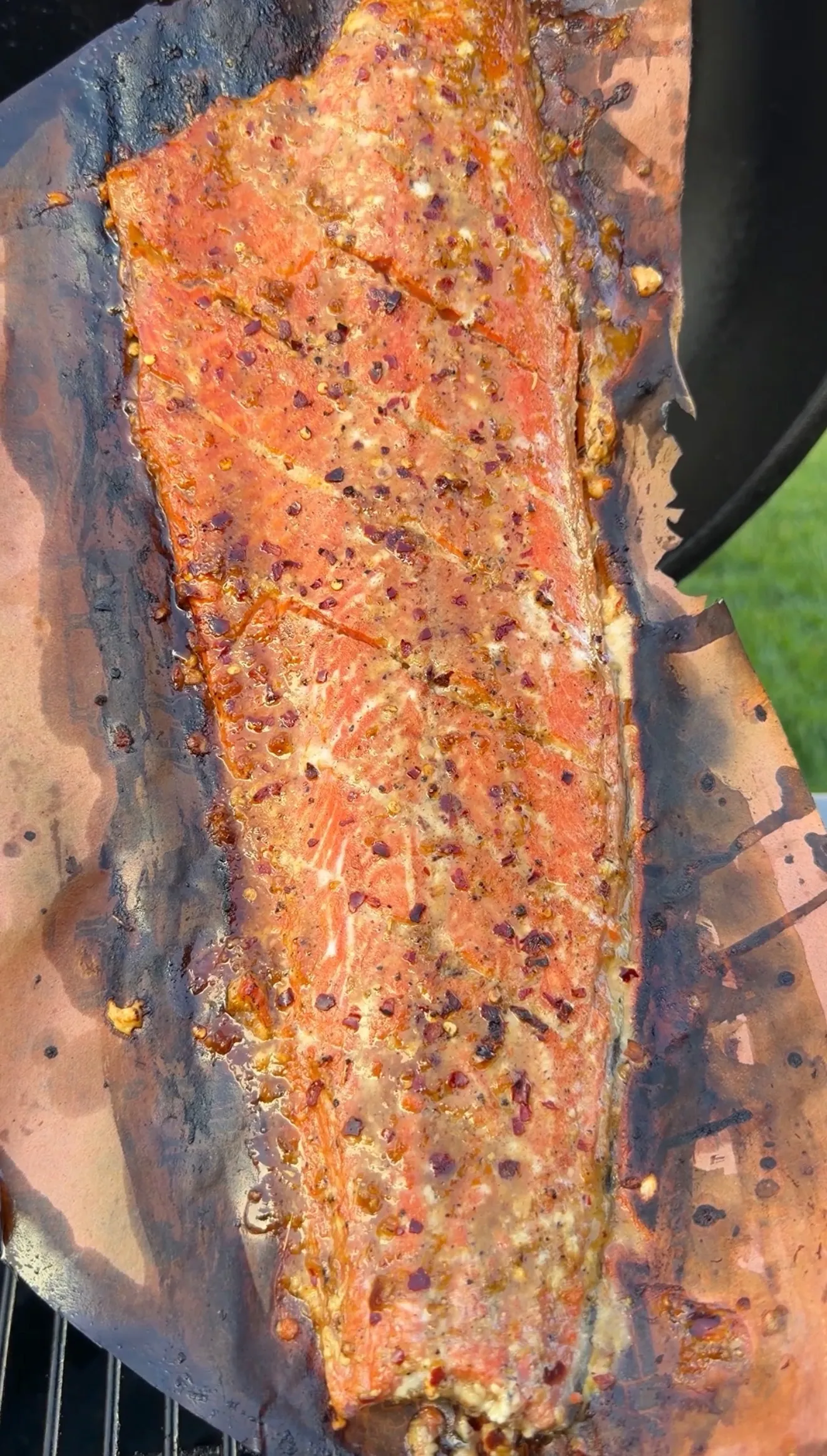
Preheat your smoker to 225°F. Place the glazed salmon on butcher paper or a soaked cedar plank. Close the lid. Smoke until the internal temperature reaches 140°F, roughly 45 to 60 minutes depending on the thickness of the fillets. Halfway through the cook, brush the reserved glaze over the top for that sticky, lacquered finish.
The salmon is done when it flakes easily with a fork and the glaze on top is caramelized and glossy. The score lines should be dark golden with sticky, concentrated glaze in the channels.
Step 5: Rest and Serve
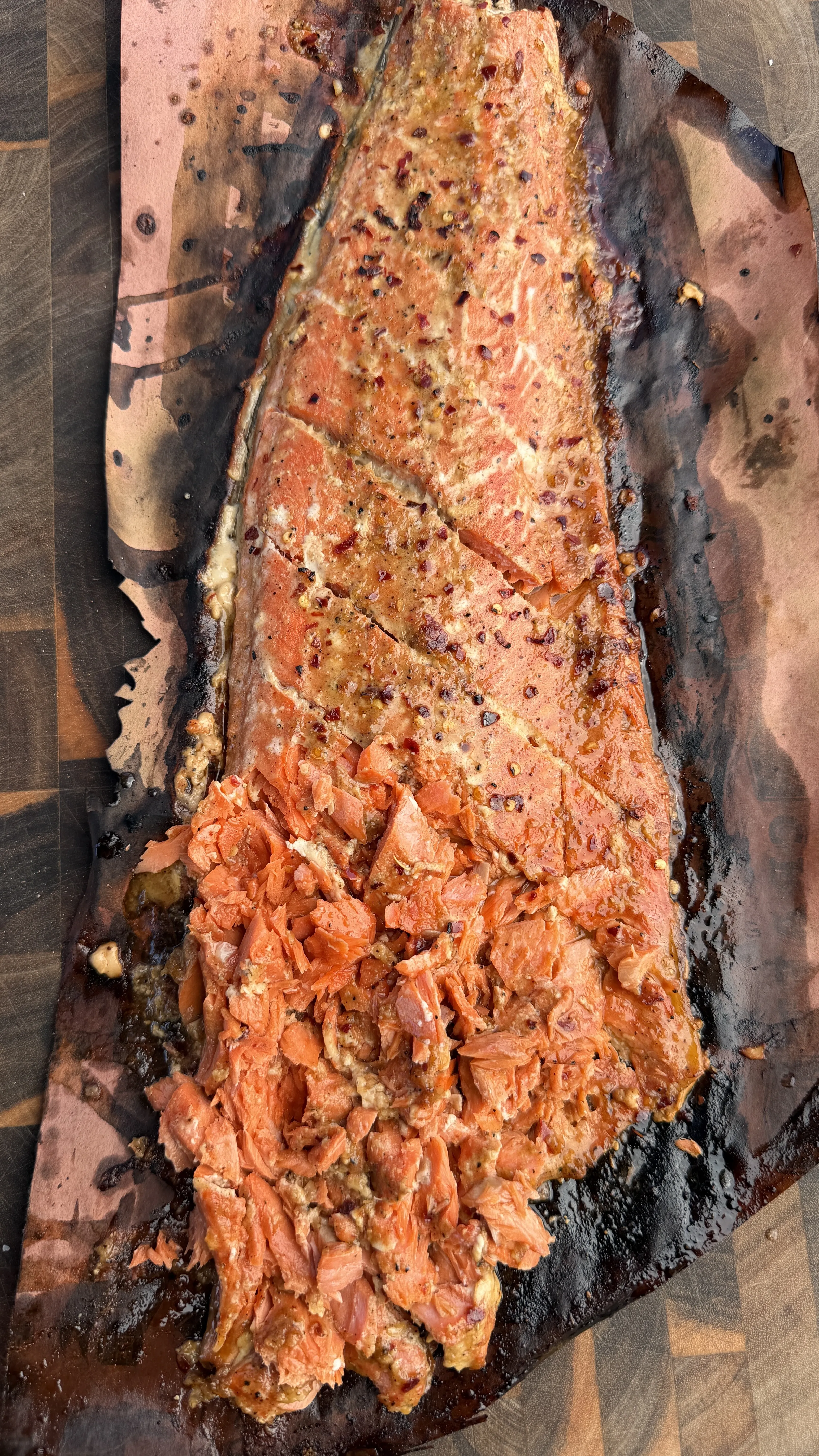
Remove the salmon from the smoker and let it rest for 3 to 5 minutes. The carryover heat brings the internal temperature from 140°F up to 145°F during the rest. Slice or flake the salmon and serve. The interior should be moist and silky. The exterior should have a sticky, caramelized glaze with golden ridges in the score lines.
Garlic Soy Honey Smoked Salmon
Ingredients
Equipment
Method
- Score the top of each salmon fillet in a light crosshatch pattern, about 1/4 inch deep. Don’t cut through to the skin.
- Mix soy sauce, honey, minced garlic, olive oil, lemon juice, and black pepper. Reserve 1/3 of the glaze for mid-smoke brushing.
- Brush glaze generously over scored salmon, working it into the score lines. Place on butcher paper or soaked cedar plank.
- Smoke at 225°F until internal temp reaches 140°F, about 45-60 minutes. Brush reserved glaze halfway through for a sticky finish.
- Rest 3-5 minutes. Carryover brings temp to 145°F. Slice or flake and serve.
Notes
Tried this recipe?
Let us know how it was!Smoked Salmon — FAQ
Common questions about scoring, glazing, smoking temps, and getting that sticky finish.
Your Questions, Answered
Scoring creates channels that trap the glaze and pull it deeper into the flesh. Without scoring, the glaze sits on a flat surface and slides off as the fish cooks. The score lines also increase surface area, which means more caramelization and more of that sticky, golden crust across the top of the fillet.
Atlantic salmon or king (Chinook) salmon work best because of their higher fat content. The fat keeps the flesh moist during the low-and-slow smoke. Sockeye is leaner and more prone to drying out. Coho is a middle ground with mild flavor. Whichever you choose, buy skin-on fillets so the skin holds the fillet together on the smoker.
That’s albumin, a protein that coagulates and pushes to the surface when salmon cooks. It’s harmless and edible but looks unappetizing. Smoking at a lower temperature (225°F) produces less albumin than higher temps. Brining the salmon for 30 minutes before smoking also reduces albumin significantly.
Both work. Butcher paper gives cleaner smoke flavor and softer texture. The glaze is the star. Cedar plank adds its own wood aroma and produces a slightly firmer bite. If you want the garlic soy honey glaze to dominate, use butcher paper. If you want additional woodsy depth, go cedar. Soak cedar planks for at least 1 hour before smoking.
Temperature & Serving
Carryover heat brings the temp up 3 to 5 degrees during resting. Pulling at 140°F means the salmon reaches 143 to 145°F by the time you serve it, which is moist and silky. Pulling at 145°F means the salmon is actually 148 to 150°F by serving time, which produces dry, chalky flesh that flakes apart instead of melting.
Alder or cherry are the best choices. Alder is the traditional wood for smoking salmon. It produces a mild, slightly sweet smoke that doesn’t overpower the honey-soy glaze. Cherry adds a subtle fruity sweetness. Avoid hickory or mesquite, which produce heavy smoke that clashes with the delicate salmon flavor.
The sweet-savory glaze pairs well with steamed jasmine rice, grilled asparagus, or a simple cucumber salad. For a heartier plate, serve with roasted potatoes or a cold soba noodle salad dressed with sesame oil and rice vinegar. Keep sides light and clean so the sticky glazed salmon stays the focus.
Ready to Level Up?
Take your backyard cooking from good to legendary.
This is where I keep all my most-used smokers, knives, and favorite cooking tools.
Shop My Gear CollectionExplore More Recipes
Find more diverse flavors at CWFeats.com