
Picanha Steak Fajitas
Picanha steak fajitas swap out the traditional skirt steak for thick-cut picanha (sirloin cap) and the results are unreal. You cut a 4 lb picanha roast into four 2-inch thick steaks, season with carne asada rub, forward sear over high heat for a deep crust, then finish on indirect until the internal temperature hits 120°F for medium rare. While the steaks rest, you char bell peppers and onions in a cast iron skillet. Slice thin against the grain and load flour tortillas with steak, fajita veggies, fresh pico de gallo, and guacamole. Serves 6 to 8.
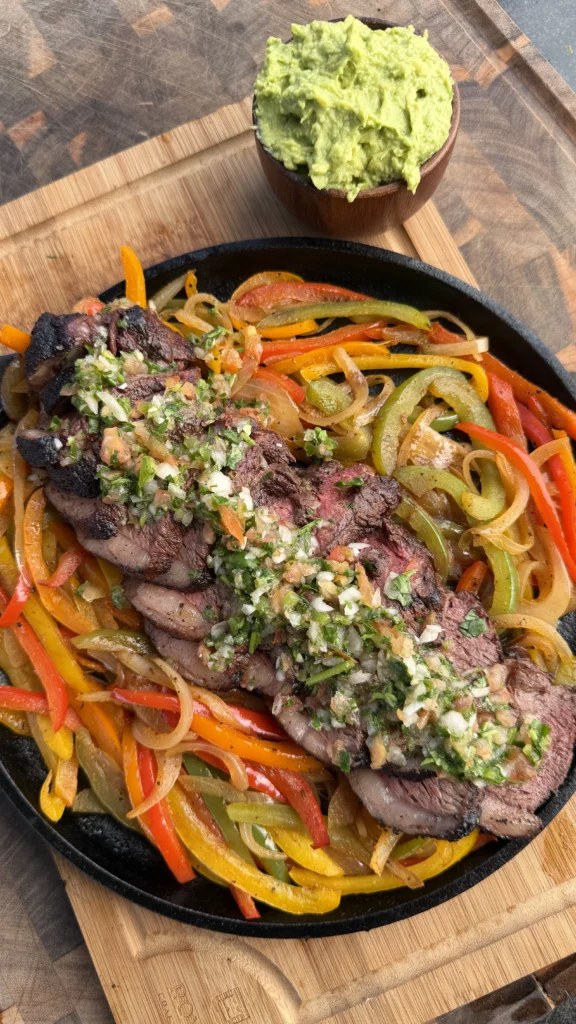
Why Picanha Makes Better Steak Fajitas Than Skirt or Flank
The Fat Cap Advantage
Traditional fajitas use skirt steak or flank steak. Both are lean, thin cuts that dry out quickly if overcooked. Picanha (also called sirloin cap, coulotte, or rump cap) has a thick fat cap on one side that bastes the meat during cooking. That fat renders and keeps the steak juicy even after slicing thin for fajitas. Additionally, picanha has better intramuscular marbling than skirt or flank, which translates to more tender bites in every tortilla.
No Marinade Needed for Picanha Steak Fajitas
Skirt steak and flank steak need marinades to tenderize their tough muscle fibers. Picanha doesn’t. The natural tenderness and fat content of picanha mean you can season it with a dry rub and go straight to the grill. This saves hours of marinating time and keeps the flavor profile clean. The carne asada seasoning does all the work without competing with a vinegar or citrus marinade.
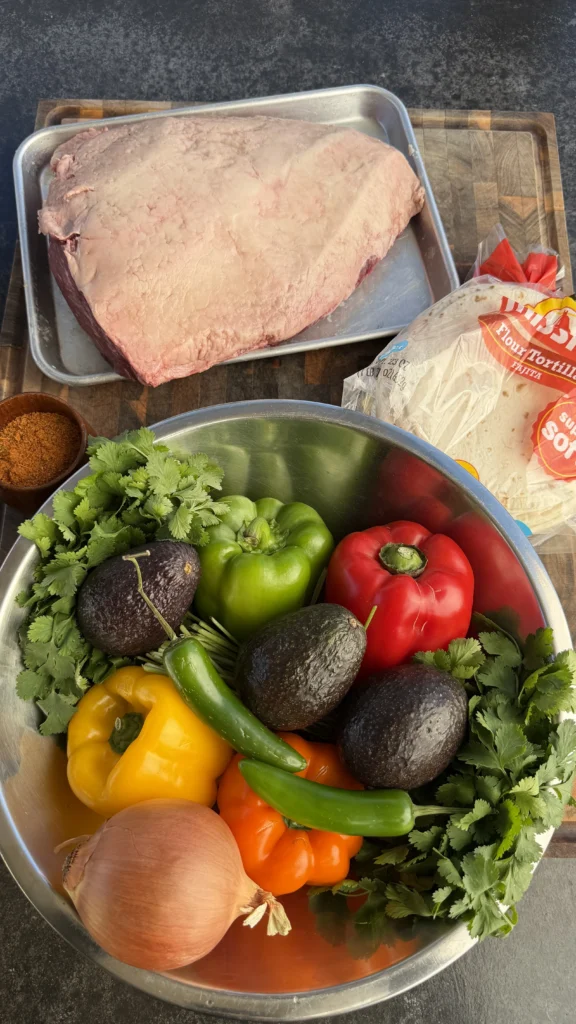
How to Cut Picanha Into Steaks for Fajitas
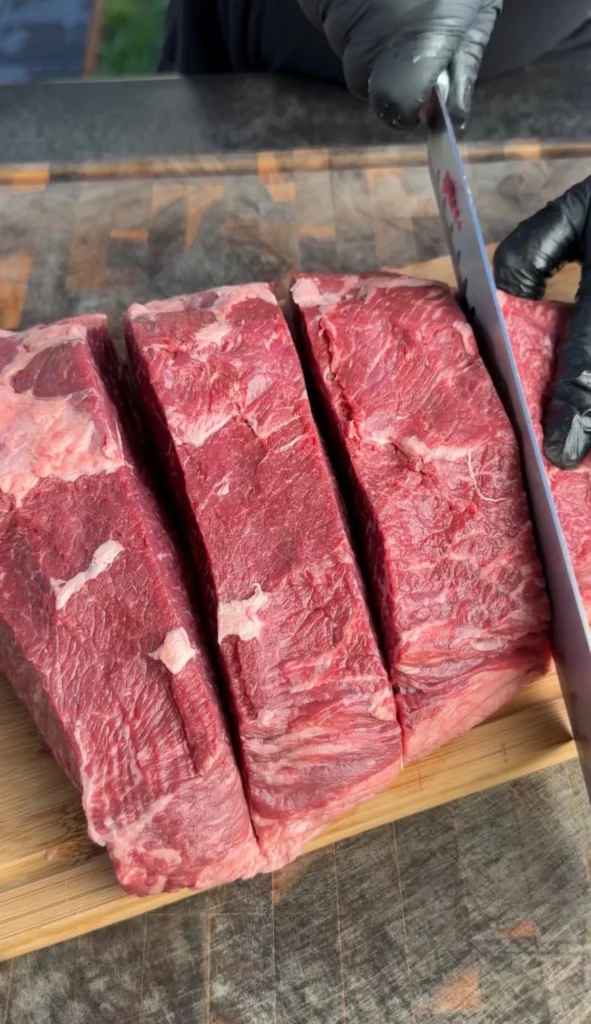
Cutting 2-Inch Thick Steaks
A whole picanha roast weighs about 3 to 4 lbs. Cut it into four individual steaks, each roughly 2 inches thick. Cut with the grain, following the natural curve of the roast. The thick cut is important because it gives you enough mass to sear hard on the outside while keeping the center at 120°F medium rare. Thin steaks overcook before the crust develops properly.
Keeping the Fat Cap Intact
Do not trim the fat cap. The fat cap is what makes picanha special. It renders during the sear and bastes the meat from the top. Furthermore, the rendered fat adds flavor to the fajita veggies when you cook them in the same skillet afterward. Trim only any loose flaps or hard connective tissue at the edges.
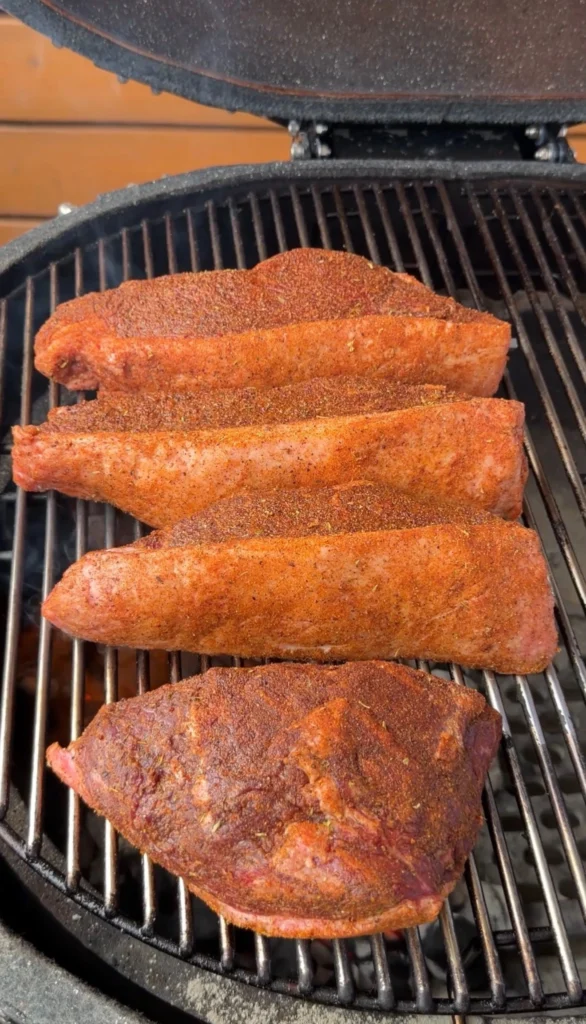
The Forward Sear Method for Picanha Steak Fajitas
Why Forward Sear Instead of Reverse Sear
The forward sear method starts with high heat and finishes on indirect. You sear the steaks first over the hottest part of the grill to build a deep, dark crust. Then you move them to indirect heat and let the interior slowly climb to 120°F. This approach works well for picanha because the thick fat cap needs high heat to begin rendering immediately. A reverse sear would slowly dry out the exterior before the crust develops.
Building the Crust
Get your grill as hot as possible for the sear. Place the picanha steaks fat-cap side down first to render and crisp the fat. Sear all sides until you have a solid, dark crust. The crust provides texture contrast when the steak is sliced thin for these picanha steak fajitas.
Finishing on Indirect to 120°F
After the sear, move the steaks to the cooler side of the grill. Close the lid. Cook until a MEATER or instant-read thermometer reads 120°F in the thickest part. Pull and rest for 10 to 15 minutes. The carryover heat will bring the final temperature to 125 to 130°F, which is perfect medium rare.
Charring the Fajita Veggies in Cast Iron
High Heat for Color and Flavor
While the steaks rest, cook the sliced bell peppers and onions. Use a cast iron skillet over high heat with a drizzle of oil. You want visible char on the edges of the peppers and translucent, slightly blackened onions. Season with salt, pepper, and a dusting of your carne asada or fajita seasoning. The cast iron holds heat aggressively and produces better char than a non-stick pan or sheet pan.
Don’t Overcook the Vegetables
Cook the peppers and onions for 5 to 7 minutes total. You want them softened but still with some bite. Overcooked fajita veggies turn mushy and watery, which makes the tortilla soggy. Pull them when they’re tender-crisp with visible char marks.
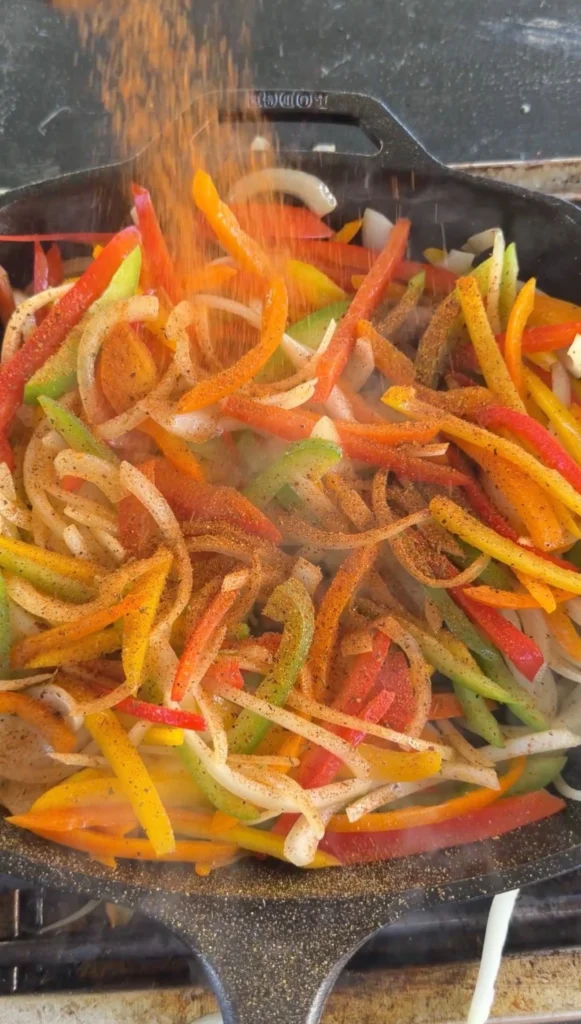
📸 IMAGE: fajita-peppers-onions-cast-iron-seasoning.webp Alt: Sliced bell peppers and onions cooking in a cast iron skillet with fajita seasoning being sprinkled over them
Slicing, Assembling, and Serving Picanha Steak Fajitas
Slice Thin Against the Grain
After the rest, slice the picanha steaks thin against the grain. This is critical for tenderness. The grain on picanha runs in one direction, so identify it before cutting. Thin slices against the grain break up the muscle fibers and produce tender bites that melt on a warm tortilla.
Building the Perfect Fajita
Warm your flour tortillas on the grill or in a dry skillet until they’re pliable and lightly charred. Layer guacamole on the tortilla first as a creamy base. Add sliced picanha steak on top, then charred peppers and onions. Finish with a generous spoonful of fresh pico de gallo. Sour cream and shredded cheddar are optional but recommended.
Fresh Pico de Gallo and Guacamole
For the pico, combine diced Roma tomatoes, diced onion, lime juice, cilantro, and salt. For the guacamole, mash avocados with sweet onion, lime, cilantro, and salt. Both should be made fresh and served at room temperature. The acidity from the lime in both cuts through the richness of the picanha fat cap.
Picanha Steak Fajitas
Forward seared · Pull at 120°F · Pico & guac
Ingredients
Steak
- ~4 lb picanha roast
- Carne asada seasoning (generous coat)
Fajita Veggies
- 3 bell peppers, sliced
- 1 onion, sliced
- Oil, salt, pepper
Pico de Gallo
- 4 Roma tomatoes, diced
- ¼ onion, diced
- Juice of 1 lime
- Cilantro + salt
Guacamole & Extras
- 3 avocados
- ¼ sweet onion + 1 lime
- Cilantro + salt
- Flour tortillas, sour cream, cheddar
Instructions
- 1
Cut picanha into 4 steaks (~2″ thick). Season generously with carne asada seasoning. No marinade needed.
- 2
Forward sear over high heat. Get a solid crust on all sides, fat-cap side down first.
- 3
Move to indirect heat. Cook until internal reaches 120°F. Pull and rest 10-15 minutes (carries to medium rare).
Veggies, Sides & Assembly
- 4
Cook peppers + onions in a cast iron skillet over high heat until charred. Season with salt, pepper, and fajita seasoning.
- 5
Mix pico de gallo and guacamole. Slice steak thin against the grain. Load warm tortillas with steak, veggies, pico, guac, sour cream, and cheese.
Keep the Fat Cap
The fat cap bastes the meat during cooking and adds flavor. Do not trim it off. Sear fat-cap side down first to render and crisp.
Pull at 120°F
Carryover heat brings the steak to 125-130°F during rest. That’s perfect medium rare for slicing thin into fajitas.
Slice Against the Grain
Cutting against the grain breaks up muscle fibers and produces tender slices. This is the single most important step for fajita texture.
Step-by-Step: How to Make Picanha Steak Fajitas
Step 1: Prep the Picanha
Cut a 4 lb picanha roast into four individual steaks, each about 2 inches thick. Keep the fat cap intact. Season generously on all sides with carne asada seasoning.
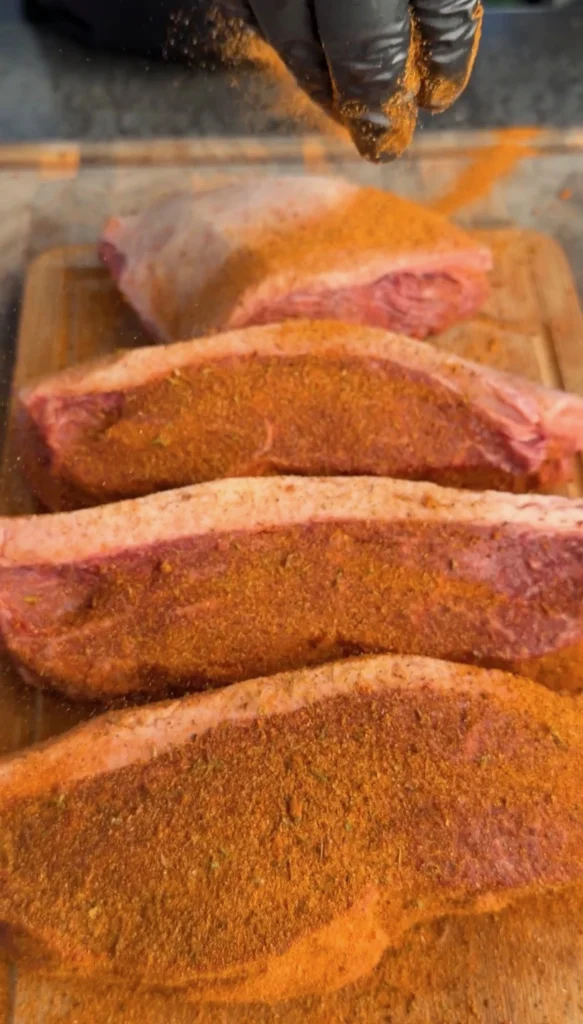
Step 2: Forward Sear Over High Heat
Place the seasoned steaks on the hottest part of the grill, fat-cap side down first. Sear all sides until a deep, dark crust forms. Get a solid crust on every surface before moving to indirect heat.
Step 3: Finish on Indirect to 120°F
Move the seared steaks to indirect heat. Close the lid and cook until the internal temperature reaches 120°F. Pull and rest for 10 to 15 minutes. Carryover heat will bring the steaks to a perfect medium rare.
Step 4: Char the Veggies
While the steaks rest, cook sliced bell peppers and onions in a cast iron skillet over high heat. Season with oil, salt, pepper, and fajita seasoning. Cook 5 to 7 minutes until charred and tender-crisp.
Step 5: Prep the Pico and Guacamole
Mix diced Roma tomatoes, onion, lime juice, cilantro, and salt for pico de gallo. Mash avocados with sweet onion, lime, cilantro, and salt for guacamole.
Step 6: Slice and Assemble
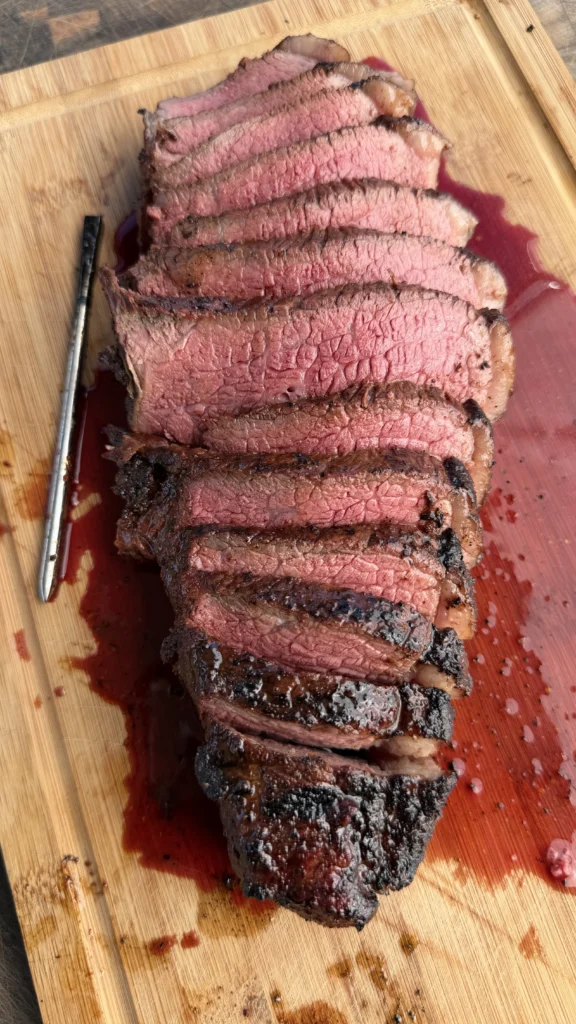
Slice the rested picanha thin against the grain. Load warm flour tortillas with guacamole, sliced steak, charred veggies, pico de gallo, sour cream, and shredded cheddar.
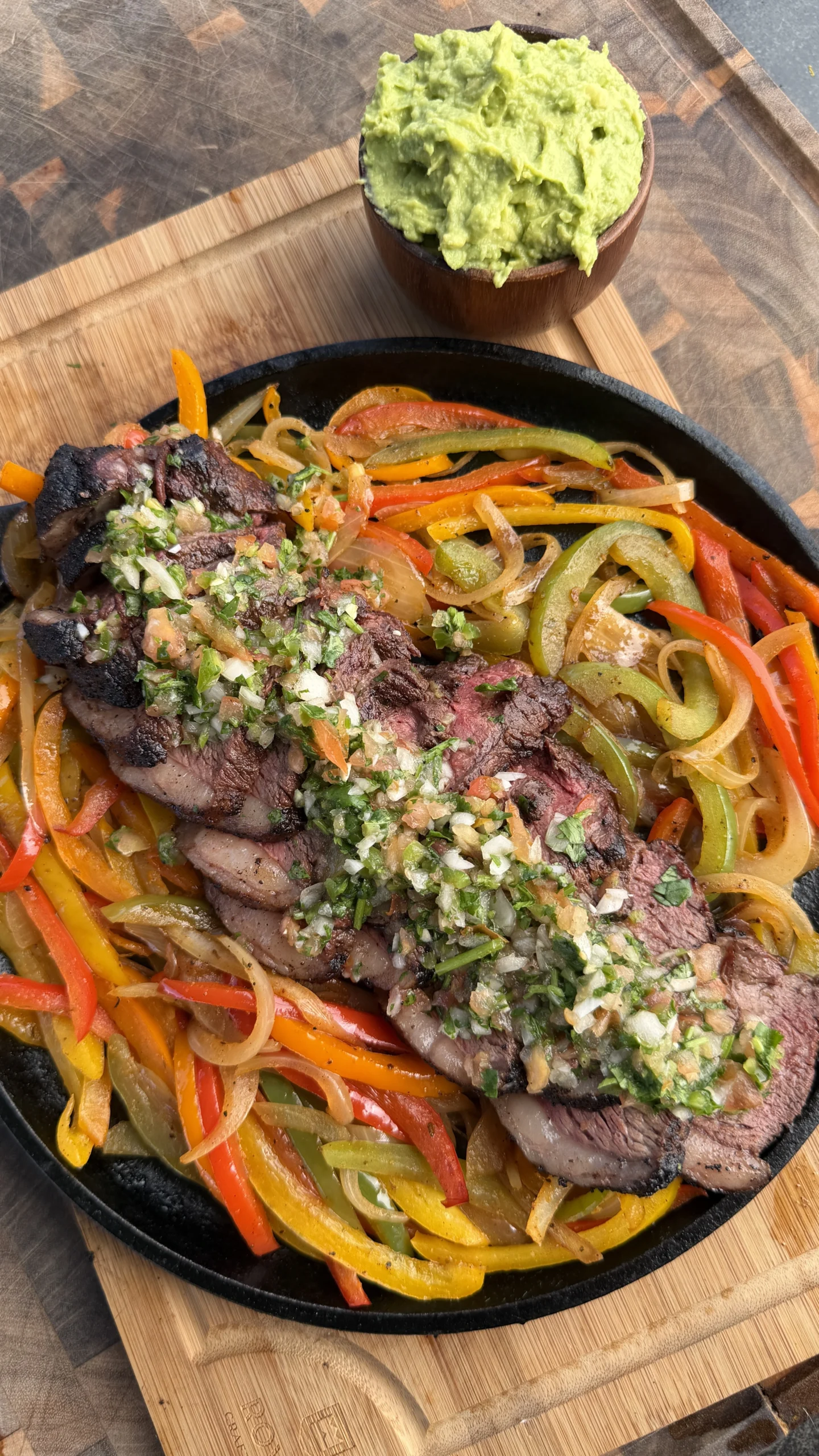
Picanha Steak Fajitas with Pico & Guac
Ingredients
Equipment
Method
- Cut picanha into 4 steaks about 2 inches thick. Season generously with carne asada seasoning on all sides.
- Forward sear over high heat, fat-cap side down first. Get a solid crust on all sides.
- Move to indirect heat. Cook until internal temperature reaches 120°F. Pull and rest 10-15 minutes.
- Cook sliced peppers and onions in a cast iron skillet over high heat until charred and tender-crisp. Season with salt, pepper, and fajita seasoning.
- Mix pico de gallo and guacamole. Slice steak thin against the grain. Load warm tortillas with steak, veggies, pico, guac, sour cream, and cheese.
Notes
Tried this recipe?
Let us know how it was!Picanha Steak Fajitas — FAQ
Common questions about grilling picanha for fajitas.
Your Questions, Answered
Picanha is the sirloin cap, also called coulotte or rump cap. It’s a triangular cut with a thick fat cap on one side. It’s the most popular cut of beef in Brazil and is known for rich beefy flavor and natural tenderness without needing a marinade.
Picanha has a thick fat cap and better marbling than skirt or flank steak. It stays juicier, doesn’t need a marinade, and produces more tender slices. The fat cap bastes the meat during cooking, which skirt and flank lack.
No. Keep the fat cap intact. It renders during the sear, bastes the meat, and adds flavor. Sear fat-cap side down first to crisp it. The fat cap is what makes picanha special and separates it from a standard sirloin steak.
A forward sear means you sear over high heat first, then finish cooking on indirect heat. This builds a deep crust immediately while the thick fat cap begins rendering. It’s the opposite of a reverse sear, which starts low and finishes with a sear.
Cooking, Slicing & Serving
Pull at 120°F. During the 10 to 15 minute rest, carryover heat brings the final temperature to 125 to 130°F, which is perfect medium rare. This gives you juicy, pink slices that are ideal for fajitas.
Always slice thin against the grain. Identify the direction of the muscle fibers before cutting. Cutting against them breaks up the fibers and produces tender slices that work perfectly in a warm tortilla.
Costco sells picanha as “top sirloin cap” in twin packs. Many butcher shops carry it if you ask for sirloin cap or coulotte steak. Brazilian or Latin American grocery stores almost always have it. It typically runs $6 to $10 per pound.
Tri-tip is the closest substitute in terms of flavor and fat content. Skirt steak or flank steak work for traditional fajitas but will need a marinade. Flat iron steak is another solid option that’s tender and affordable.
Ready to Level Up?
Take your backyard cooking from good to legendary.
This is where I keep all my most-used smokers, knives, and favorite cooking tools.
Shop My Gear CollectionExplore More Recipes
Find more diverse flavors at CWFeats.com