
Salt-Baked Whole Beef Tenderloin
Salt-Baked Whole Beef Tenderloin (Smoked + Charcoal Seared)
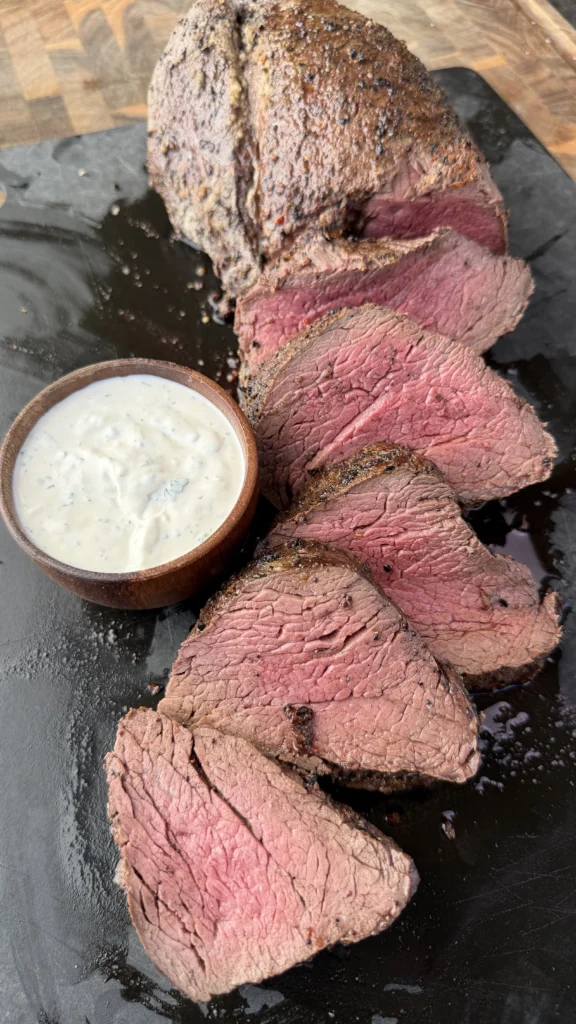
Salt-baked beef tenderloin is one of those techniques that looks way more complicated than it actually is. You take a whole trimmed tenderloin, coat it in black pepper, then pack it completely in a salt crust made from coarse sea salt, egg whites, and fresh herbs. The salt crust doesn’t make the meat salty. Instead, it acts like an oven inside your smoker, holding in all the moisture and gently seasoning the beef from the outside. After you smoke it at 300°F until it hits 120°F internal, you crack open that salt shell, brush off the excess, and sear it hard over hot charcoal for 90 seconds per side. The result is a perfectly cooked, incredibly tender piece of beef with a charred crust and a juicy, rosy interior.
The whole process takes about an hour once your smoker is ready. You prep the tenderloin and build the salt crust, smoke it for 40-50 minutes, then sear it over charcoal. While it’s smoking, you make a simple horseradish sauce with sour cream, mayo, horseradish, Dijon, and lemon juice. This smoked beef tenderloin is perfect for special occasions, holidays, or any time you want to impress people with something that tastes like it came from a high-end steakhouse. The salt crust technique keeps the meat incredibly moist, and that final charcoal sear adds the smoky char that makes every bite incredible.
Salt-Baked Whole Beef Tenderloin
Smoked low, charcoal seared hard, and locked in a salt crust for pure tenderness
Ingredients
- 1 whole beef tenderloin (4–6 lbs), trimmed
- 2 tbsp olive oil or Dijon mustard (binder)
- Freshly ground black pepper, to taste
- 8 cups coarse sea salt
- 12 egg whites
- 2–3 tbsp fresh rosemary (whole sprigs or lightly chopped)
- 2–3 tbsp fresh thyme (whole sprigs or lightly chopped)
- ½ cup sour cream
- ¼ cup mayonnaise
- 2 tbsp prepared horseradish (more for extra heat)
- 1 tsp Dijon mustard
- 1 tsp lemon juice or white vinegar
- ½ tsp Worcestershire sauce
- Salt and black pepper to taste
- (Optional) 1 tbsp chopped chives or parsley
That salt crust locks in every bit of juice while gently seasoning the beef — and the charcoal sear gives it that perfect smoky edge.
See How It’s Done
Why Salt Crust Works for Beef Tenderloin
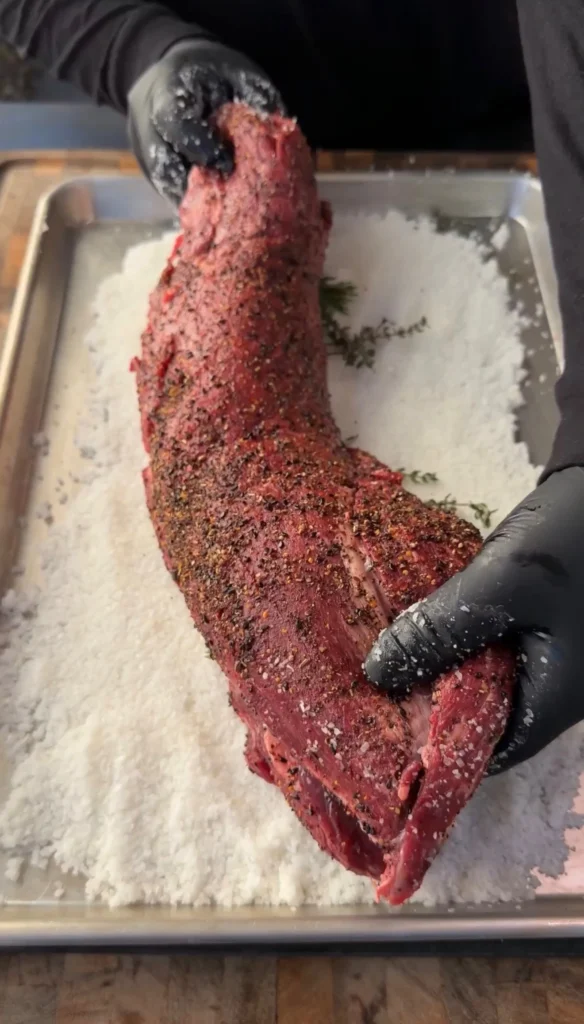
Beef tenderloin is an expensive cut, and it’s also really lean. That means it can dry out easily if you’re not careful. The salt crust solves this problem by creating a sealed environment around the meat. As the tenderloin smokes, the salt crust hardens into a shell that traps all the moisture inside. The beef essentially steams in its own juices, which keeps it incredibly tender and juicy.
People worry that a salt crust will make the meat too salty, but it doesn’t work that way. The salt on the outside doesn’t penetrate deep into the meat during a short cook like this. It seasons the exterior gently while the egg whites bind everything together into a hard shell. The fresh rosemary and thyme inside the crust infuse the beef with herb flavor as it cooks, so you get this subtle aromatic seasoning without any harshness.
The other benefit of the salt crust is temperature control. The crust insulates the meat and helps it cook evenly. You’re less likely to overcook the outside before the inside comes up to temp. This is especially important for tenderloin because it’s such a lean cut. Any overcooking and it gets tough and dry.
Why Charcoal Sear After Smoking Makes It Perfect
Smoking the tenderloin at 300°F gives you that wood-fired flavor and gentle heat that cooks the meat evenly. But smoking alone doesn’t give you a crust. The surface of the meat stays moist from the salt crust, and moist meat doesn’t form a good crust. That’s where the charcoal sear comes in.
After you crack open the salt shell and brush off the excess salt, you take that tenderloin and place it directly over screaming hot charcoal. You’re talking 500-600°F or hotter. At that temperature, you get instant caramelization. The sugars and proteins on the surface of the meat undergo the Maillard reaction and form that dark, flavorful crust in about 90 seconds per side.
The charcoal sear also adds another layer of smoke flavor. Charcoal gives you a different kind of smoke than wood—it’s cleaner and more intense. Combined with the wood smoke from the smoker, you get this complex, deep smokiness that makes the beef taste incredible. The key is searing it fast. You’re not cooking it more. You’re just crisping the outside. Get it on the coals, sear all sides quickly, and get it off before the internal temp goes up too much.
How to Make Horseradish Sauce That Complements Beef
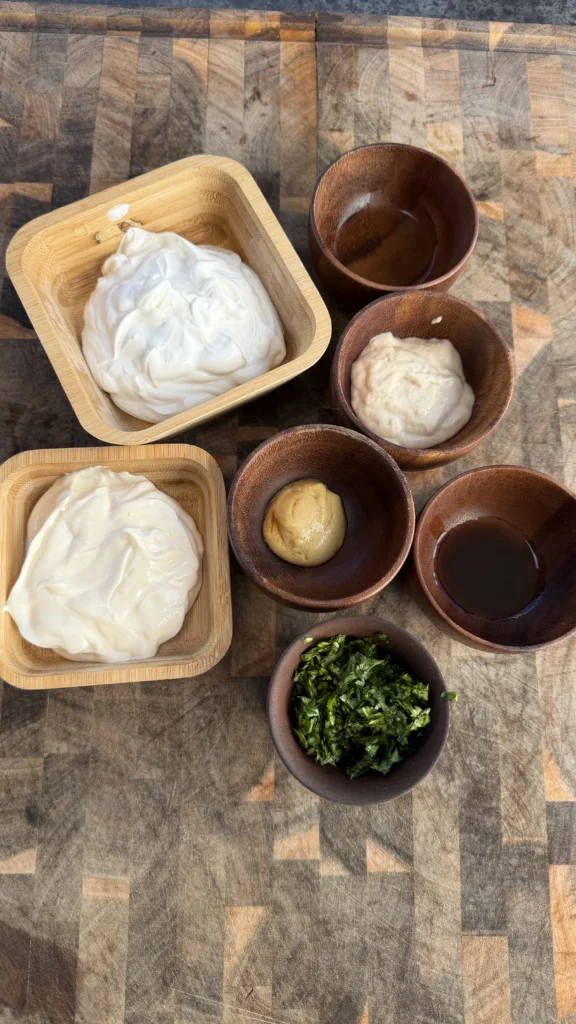
Horseradish sauce is the classic accompaniment to beef tenderloin for a reason. The sharp, spicy bite of horseradish cuts through the richness of the beef and adds a kick that wakes up your palate. Making it from scratch takes about 5 minutes and tastes way better than store-bought.
The base is sour cream and mayonnaise. The sour cream adds tanginess, and the mayo adds richness and helps the sauce stay creamy. Prepared horseradish (the kind you buy in a jar) brings the heat. Start with 2 tablespoons and taste it. If you want more kick, add another tablespoon. Dijon mustard adds depth and a little extra tang. Lemon juice or white vinegar brightens everything up. And Worcestershire sauce adds that savory umami flavor that ties it all together.
You make this while the tenderloin is smoking, then let it chill in the fridge. Cold horseradish sauce on hot beef is perfect. The contrast in temperature makes both taste better. If you want to get fancy, add some chopped fresh chives or parsley at the end for color and a little freshness.
Step-by-Step Instructions
Step 1: Prep the Tenderloin
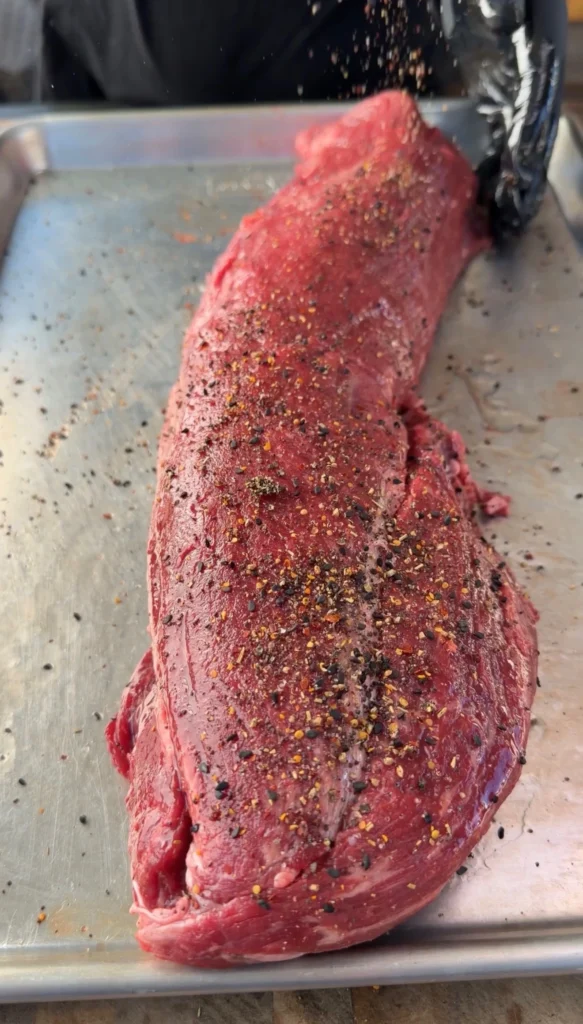
Get your whole beef tenderloin out and place it on a cutting board. If it’s not already trimmed, you need to remove the silver skin and excess fat. Silver skin is that shiny, tough membrane that runs along parts of the tenderloin. Use a sharp knife to slide under it and peel it off in strips. You want it completely gone because it doesn’t break down when cooked and stays chewy.
Trim off any large chunks of fat too. A little fat is fine, but you don’t want thick pieces because they won’t render properly in the salt crust. Get the tenderloin looking clean and uniform.
Once it’s trimmed, rub the entire tenderloin with 2 tablespoons of olive oil or Dijon mustard. This is your binder. It helps the black pepper stick. If you use Dijon, you’ll add a little extra tang to the meat, which is nice.
Season the entire tenderloin generously with freshly ground black pepper. Don’t add salt. The salt crust will handle all the seasoning you need. Just pepper. Get it all over—top, bottom, sides. Press the pepper into the meat so it sticks.
Line a large sheet pan with parchment paper and set it aside. This is where you’ll build the salt crust.
Step 2: Make the Salt Mixture
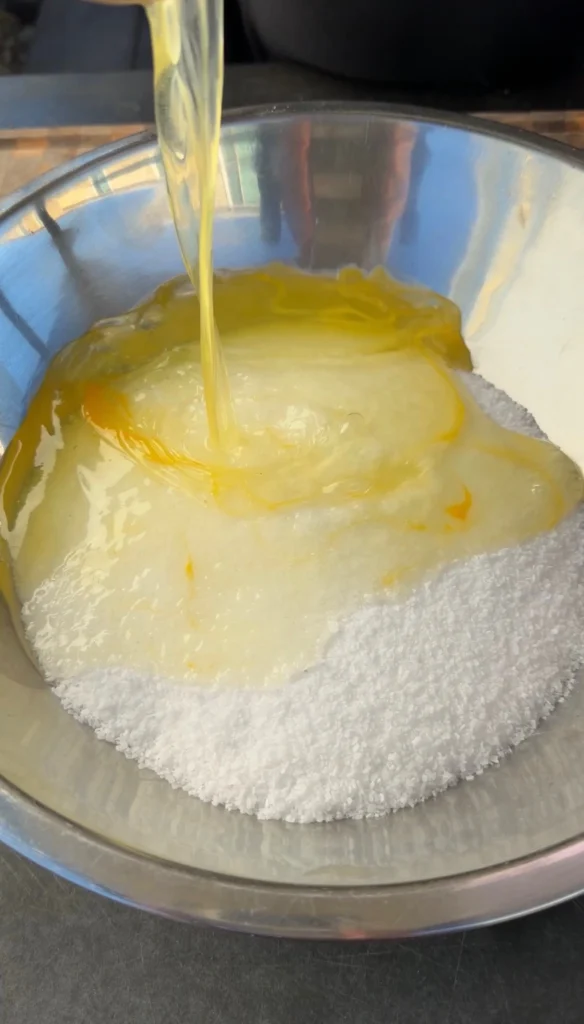
In a large mixing bowl, combine 8 cups of coarse sea salt with 12 egg whites. Use a large spoon or your hands to mix everything together. You’re looking for a texture that feels like damp sand. The egg whites bind the salt together so it forms a solid shell when it bakes.
If the mixture feels too dry and crumbly, add another egg white or two. If it feels too wet and soupy, add a little more salt. It should hold together when you pack it but not be dripping wet.
Step 3: Build the Salt Bed
Take about a third of your salt mixture and spread it on the parchment paper in a rectangle roughly the size of your tenderloin. Make it about ½ to ¾ inch thick. This is the base layer that the tenderloin will sit on.
Now lay down your fresh rosemary and thyme directly on top of that salt layer. Use whole sprigs or lightly chop them—either way works. The herbs will infuse into the meat as it cooks inside the salt crust. Spread them out evenly so the entire length of the tenderloin will be sitting on herbs.
Place your seasoned tenderloin directly on top of the herbs. Position it in the center of the salt bed so you have room to pack salt all around it.
Step 4: Encase the Tenderloin in Salt
Now take the remaining salt mixture and start packing it all over the tenderloin. Cover the top, sides, and ends completely. You want the beef fully encased with no gaps. Press the salt mixture firmly against the meat to form a tight shell. The layer should be about ½ to ¾ inch thick all around.
Make sure the entire tenderloin is sealed. If you have thin spots or gaps, add more salt mixture and press it in. The crust needs to be complete so no moisture escapes during the cook.
Once the tenderloin is fully encased, smooth out the top and sides with your hands. It should look like a big salt loaf with the tenderloin hidden inside.
Step 5: Smoke the Tenderloin
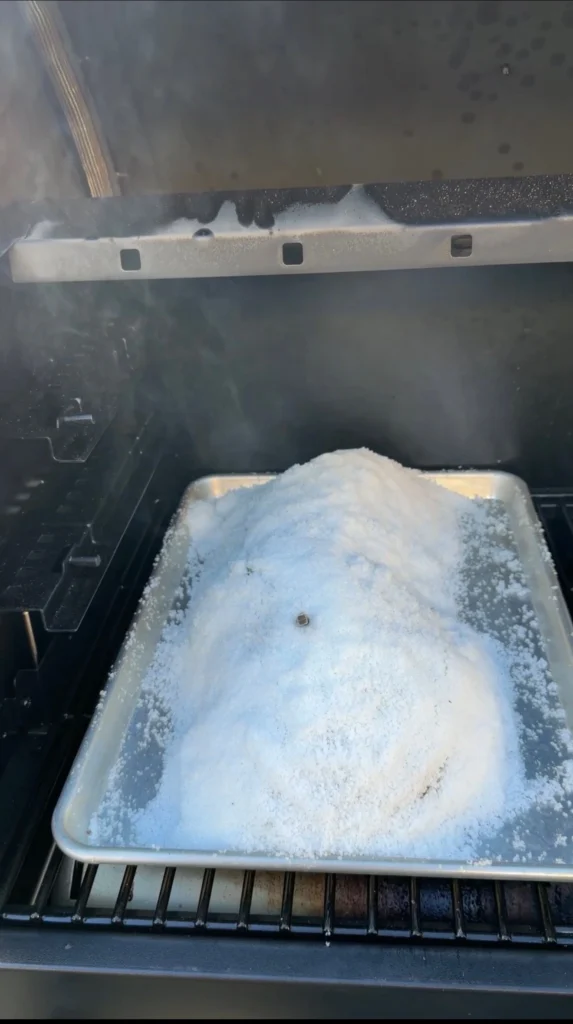
Set your smoker to 300°F and let it preheat. Add your wood chunks or chips. For beef tenderloin, use a mild to medium wood like oak, cherry, or pecan. You don’t want heavy smoke like mesquite or hickory because the cook time is short and too much smoke will overpower the delicate beef flavor.
Once your smoker is holding steady at 300°F and you’ve got clean smoke, place the sheet pan with the salt-crusted tenderloin directly on the grates. Close the lid and let it smoke.
Insert a leave-in probe thermometer through the salt crust and into the center of the tenderloin if you can. This lets you monitor the internal temp without opening the smoker. If you can’t get a probe through the crust, just check the temp after about 30 minutes by cracking the crust slightly and inserting an instant-read thermometer.
Smoke the tenderloin until the internal temperature reaches 120°F for medium-rare. This usually takes about 40-50 minutes depending on the thickness of your tenderloin and how well your smoker holds temp. Thicker tenderloins will take longer. Thinner ones will be faster.
Step 6: Make the Horseradish Sauce (While It Smokes)
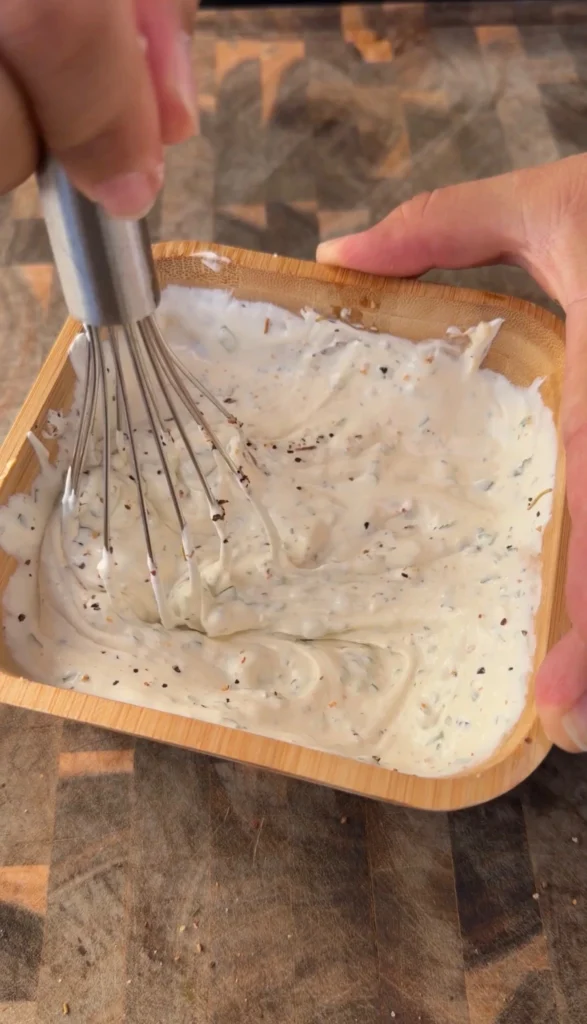
While the tenderloin is smoking, make your horseradish sauce so it has time to chill. In a small mixing bowl, combine ½ cup of sour cream, ¼ cup of mayonnaise, 2 tablespoons of prepared horseradish, 1 teaspoon of Dijon mustard, 1 teaspoon of lemon juice or white vinegar, and ½ teaspoon of Worcestershire sauce.
Whisk everything together until it’s smooth and creamy. Taste it and season with salt and black pepper. For more horseradish kick, add another tablespoon. If it’s too spicy, add a little more sour cream to mellow it out.
If you’re using fresh chives or parsley, chop them finely and stir them in now. They add a pop of color and freshness.
Cover the bowl with plastic wrap and put it in the fridge. It should stay cold until you’re ready to serve.
Step 7: Crack Open the Salt Crust and Sear
When the tenderloin hits 120°F internal temperature, take the sheet pan off the smoker. Let it sit for a minute, then carefully crack open the salt crust. Use the back of a knife or a small hammer to tap the crust. It should break apart easily.
Peel away the salt shell and discard it. The tenderloin will be underneath, perfectly cooked and steaming. Use a brush or a damp towel to gently brush off any excess salt stuck to the surface of the meat. You don’t want big chunks of salt on there when you sear it.
Now get your charcoal grill going if it’s not already. You want the coals glowing red and as hot as possible. Place the tenderloin directly over the hottest part of the coals. Sear it for about 90 seconds on the first side. You should hear it sizzle immediately.
After 90 seconds, rotate the tenderloin and sear another side for 90 seconds. Keep rotating until you’ve seared all sides—usually 4-5 turns depending on the shape of your tenderloin. The goal is to get a dark, caramelized crust all around without cooking the interior more. Work fast.
Step 8: Rest and Slice
Once the tenderloin is seared on all sides, transfer it to a clean cutting board. Tent it loosely with aluminum foil and let it rest for 10 minutes. This gives the juices time to redistribute through the meat.
After 10 minutes, use a sharp knife to slice the tenderloin into medallions about ½ to ¾ inch thick. The center should be rosy pink and incredibly tender. Arrange the slices on a serving platter.
Get your chilled horseradish sauce from the fridge and serve it on the side. Each person can add as much or as little as they want.

Salt-Baked Whole Beef Tenderloin
Ingredients
Method
- Trim tenderloin of silver skin and excess fat. Rub all over with olive oil or Dijon mustard. Season generously with black pepper. Line a sheet pan with parchment paper.
- In a large bowl, combine 8 cups coarse sea salt with 12 egg whites. Mix until texture feels like damp sand.
- Spread a ½–¾ inch layer of salt mixture on parchment paper. Lay rosemary and thyme on top of salt bed. Place seasoned tenderloin directly over herbs.
- Pack remaining salt mixture all around the beef, sealing it completely. Press firmly to form a tight shell about ½–¾ inch thick all around.
- Place tenderloin on smoker at 300°F. Cook until internal temp reaches 120°F for medium-rare, about 40–50 minutes.
- While tenderloin smokes, combine sour cream, mayo, horseradish, Dijon, lemon juice, and Worcestershire in a bowl. Season with salt and pepper. Stir until smooth, cover, and refrigerate until serving. Add chives or parsley if desired.
- Once tenderloin hits 120°F, remove from smoker. Crack open salt crust and brush off excess salt. Sear over hot charcoal for 90 seconds per side on all sides to build a dark crust.
- Let rest for 10 minutes before slicing into medallions. Serve with chilled horseradish sauce.
Notes
Tried this recipe?
Let us know how it was!Frequently Asked Questions
Will the salt crust make the beef too salty?
No. The salt crust doesn’t penetrate deep into the meat during this short cook. It seasons the outside gently while creating a sealed environment that traps moisture. The beef comes out perfectly seasoned, not salty. Just make sure you brush off any excess salt chunks before you sear it.
Can I make this without a smoker?
Yeah, you can bake it in the oven at 300°F instead. You won’t get the smoke flavor, but the salt crust technique will still work great and the meat will be incredibly tender. After baking to 120°F internal, sear it in a screaming hot cast-iron pan or on a grill instead of over charcoal.
What if I don’t have charcoal for the sear?
You can sear it on a gas grill turned to high, or in a cast-iron pan on the stove over high heat. The key is getting the surface as hot as possible so you can sear the tenderloin fast without cooking the inside more. About 90 seconds per side should do it.
How do I know when the tenderloin is done?
Use a meat thermometer. Insert it through the salt crust into the center of the tenderloin. Pull it when it hits 120°F for medium-rare. It’ll come up to about 125-130°F after searing and resting, which is perfect. Don’t go by time alone because every tenderloin is a different thickness.
Can I prep the salt crust ahead of time?
You can mix the salt and egg whites ahead of time and keep it covered in the fridge for a few hours, but it’s best to build the crust around the tenderloin right before you smoke it. If the crust sits too long, the egg whites start to dry out and it won’t seal as well.
Ready to Take Your Cooking to the Next Level?
This is where I keep all my most-used products, gear, and favorite cooking tools — check it out:
🔥 View My Cooking Gear & ToolsRecipe Categories
If you loved this recipe, you’ll find more to savor across our diverse categories. From beef to pork, chicken to turkey, seafood to appetizers, there’s a wealth of flavors waiting for you. Explore them all at CWFeats.