
Tequila Lime Chicken Skewers Recipe
Tequila lime chicken skewers are boneless skinless chicken thighs cut into large chunks, marinated for 2 hours to overnight in a mixture of silver tequila, fresh lime juice, lime zest, olive oil, minced garlic, honey, soy sauce, chili powder, smoked paprika, cumin, salt, pepper, and optional cayenne, then threaded onto skewers with optional red onion, bell peppers, and pineapple chunks, and grilled at 400 to 425°F for 4 to 5 minutes per side until they reach 165°F internal temperature with light char on the exterior. The tequila in the marinade tenderizes the chicken through enzymatic action while the lime juice adds brightness, the honey creates caramelization during grilling, and the spices provide smoky, earthy depth that complements the citrus and alcohol flavors.
The entire process takes about 3 hours minimum including marinade time. You need 15 minutes to prep the marinade and cut the chicken. The marinade requires at least 2 hours but works best overnight for maximum flavor penetration. Skewering takes 10 to 15 minutes. Grilling takes 8 to 10 minutes total. Everything can be prepped the night before for easy entertaining.
These tequila chicken skewers serve 6 to 8 people with 3 pounds of chicken providing about 4 to 5 skewers per person depending on chunk size. Each skewer contains 3 to 4 pieces of chicken plus optional vegetables and pineapple. This is substantial enough for a main course when served with rice, salad, or grilled vegetables.
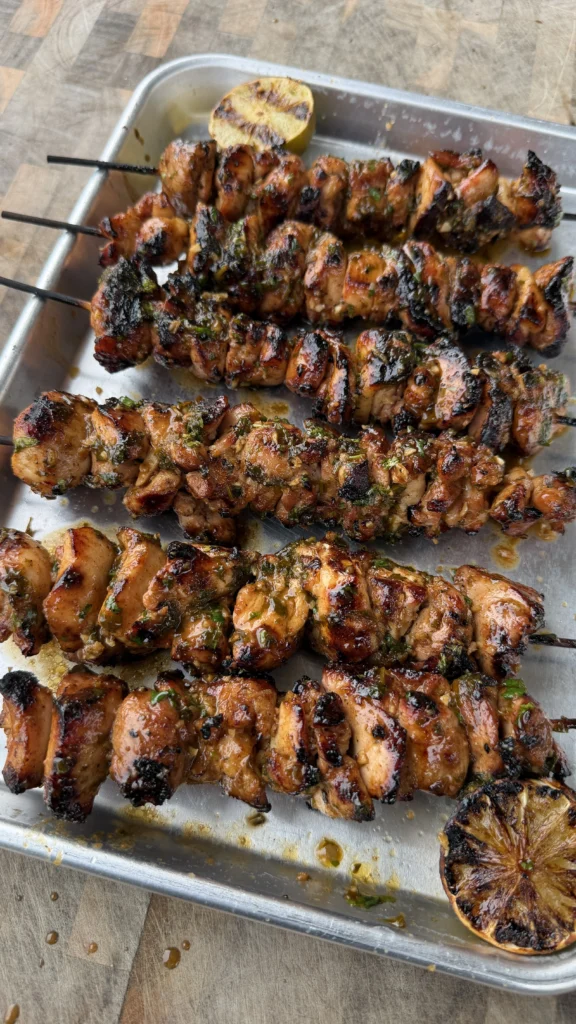
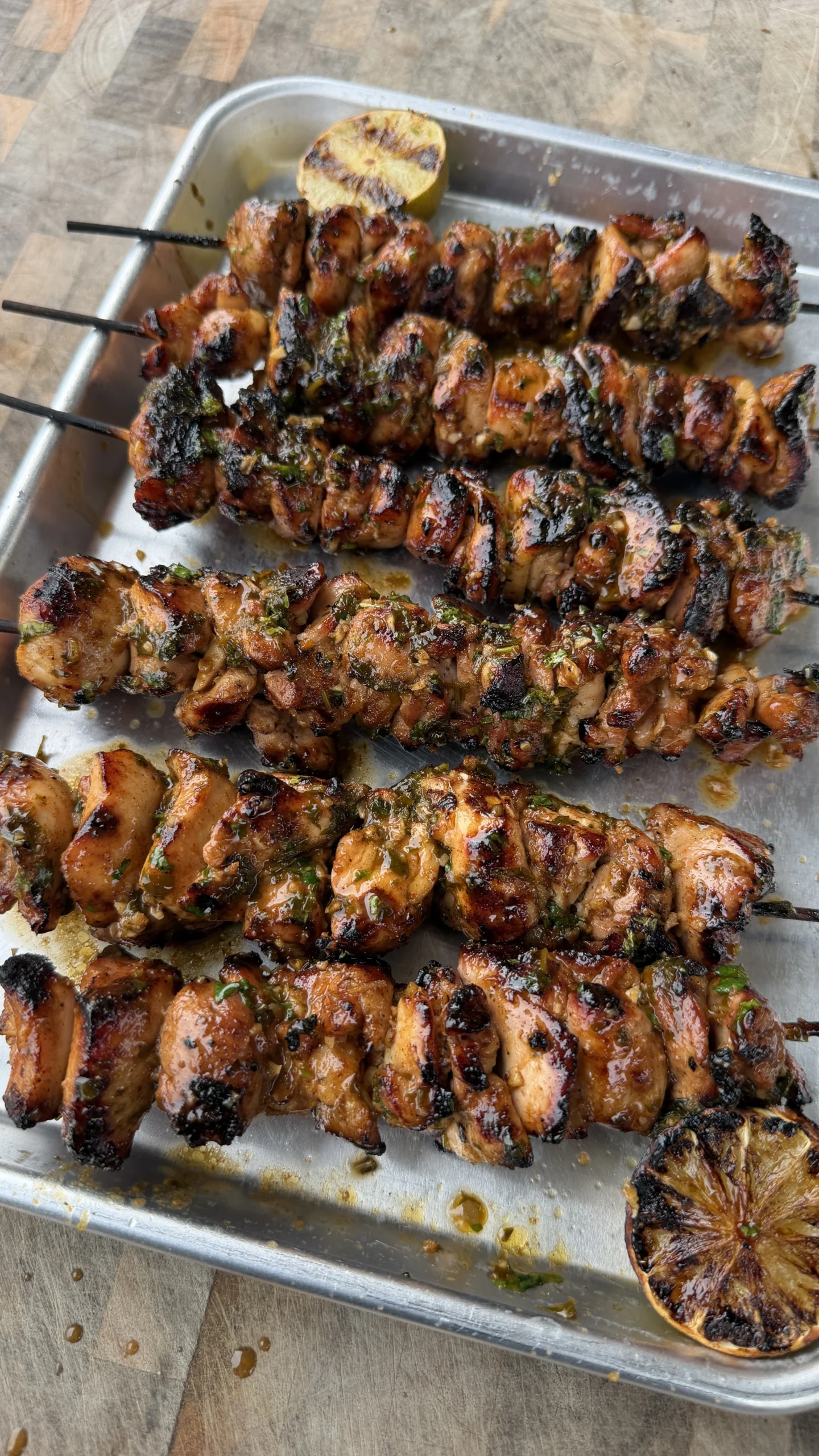
The presentation is camera-ready and social media-friendly. The char marks create visual contrast against the golden-brown chicken. The lime zest and fresh cilantro add green color pops. The optional pineapple provides bright yellow. The overall look is vibrant and appetizing. The tequila element adds conversation value and justifies the “next-level” claim in the recipe name.
What Makes Tequila Work as a Marinade Ingredient
Alcohol Penetration and Flavor Distribution
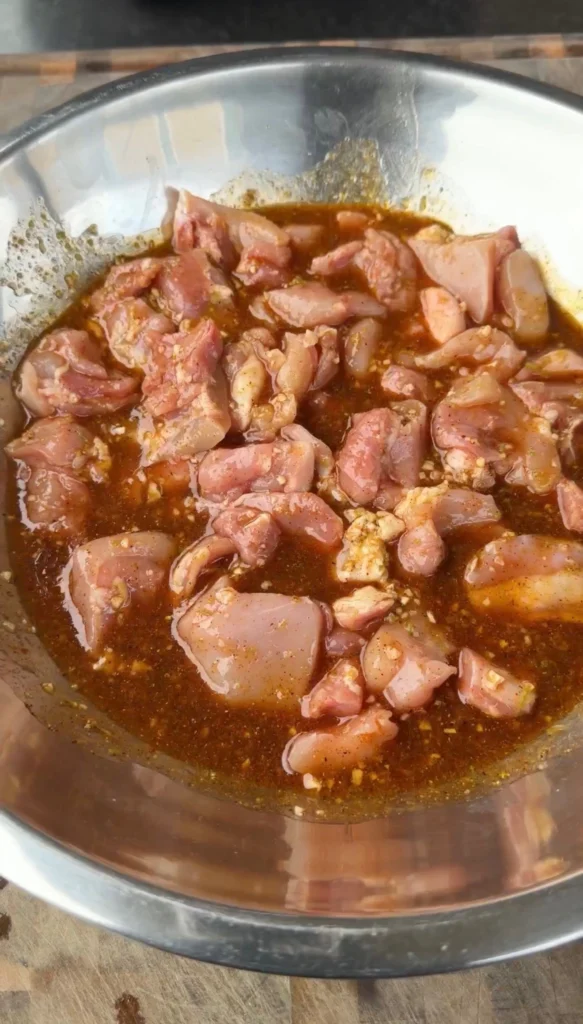
Tequila is approximately 40% alcohol by volume. Alcohol molecules are smaller than water molecules. They penetrate meat tissue more quickly and deeply than water-based marinades. The alcohol carries dissolved flavor compounds into the chicken. This creates more thorough flavor distribution than marinades without alcohol.
The agave flavor in tequila is subtle and earthy. Silver or blanco tequila has clean, bright agave taste without oak aging. This complements chicken without overwhelming it. The slight sweetness from agave sugars balances the acid from lime juice. The combination creates complex flavor that tastes sophisticated rather than one-dimensional.
Alcohol also acts as a solvent for fat-soluble flavor compounds in the spices. Chili powder, smoked paprika, and cumin contain oils and resins. These dissolve better in alcohol than in water. The tequila extracts these flavors and deposits them into the chicken as it penetrates. You get more intense spice flavor than water-based marinades would provide.
Protein Denaturing for Tenderness
The alcohol in tequila denatures proteins on the chicken’s surface. This is similar to how acid works but through a different mechanism. The proteins unfold slightly. This creates a more tender texture. The chicken feels less dense and chewy after marinating.
Combined with the citric acid from lime juice, you get double tenderizing action. The acid works primarily on collagen. The alcohol works on myosin and actin proteins in muscle fibers. Together they create very tender chicken that’s still firm enough to hold together on skewers.
The tenderizing happens primarily in the first 2 to 4 hours of marinating. Extended marinating beyond overnight doesn’t significantly increase tenderness. It can actually make the texture mushy if the marinade is too acidic. The 2-hour minimum to overnight maximum provides ideal tenderization without over-processing.
Caramelization Enhancement During Grilling
Tequila contains residual sugars from the agave plant. These sugars remain in the marinade coating on the chicken. When the chicken hits the hot grill, these sugars caramelize. They create brown color and complex flavor through Maillard reactions.
The honey in the marinade adds more sugar. Combined with tequila’s natural sugars, you get aggressive browning. The chicken develops beautiful char marks quickly. The caramelized exterior contrasts with the juicy interior. This textural variation makes each bite more interesting.
The alcohol also evaporates rapidly on the grill. As it burns off, it can create brief flare-ups. These flare-ups add kiss of flame char. Controlled flare-ups enhance flavor without burning the chicken. This is why grilling over direct heat works so well for tequila-marinated chicken.
Moisture Retention Through Fat Emulsification
The olive oil in the marinade creates an emulsion with the tequila and lime juice. Normally oil and water-based liquids don’t mix. The alcohol helps bind them together temporarily. The honey also acts as an emulsifier through its complex sugar structure.
This emulsion coats the chicken more evenly than separated liquids would. Every part of the chicken gets oil, acid, alcohol, and spices in balanced proportions. The oil component is particularly important. It creates a moisture barrier that prevents the chicken from drying out on the grill.
As the chicken cooks, the oil in the marinade helps seal the surface. Juices stay trapped inside instead of evaporating. The result is chicken that stays moist even when cooked to safe 165°F internal temperature. The tequila marinade creates juicier chicken than dry rubs or oil-free marinades.
Should You Use Chicken Thighs or Breasts for Skewers
Fat Content and Moisture Retention
Chicken thighs contain significantly more intramuscular fat than breasts. This fat renders during grilling and bastes the meat from inside. The chicken stays juicy even if slightly overcooked. Thighs are more forgiving than breasts for this reason.
Chicken breasts are very lean. They contain minimal fat. When cooked to 165°F, breasts can become dry if not carefully monitored. The brief high-heat grilling for skewers doesn’t allow much margin for error. Pulling breasts at exactly 165°F is critical. Even 5 degrees over can create noticeable dryness.
The tequila lime marinade helps compensate for breast meat’s leanness. The oil and tenderizing action provide moisture and improved texture. But thighs still have inherent advantage. The fat content makes them naturally more succulent. For most home cooks, thighs deliver consistently better results.
Texture and Bite Quality
Chicken thighs have darker meat with more connective tissue than breasts. This creates a firmer, meatier texture. When you bite into a thigh skewer, it has substantial chew without being tough. The texture feels satisfying and hearty.
Chicken breasts have softer, more delicate texture. They can feel almost fluffy when cooked properly. Some people prefer this lighter mouthfeel. Others find it less substantial. For skewers where presentation and visual appeal matter, the firmer thigh texture photographs better. It looks more robust and appealing.
The connective tissue in thighs also helps them hold together on skewers better. Breasts can be fragile. They can fall apart when you flip the skewers. Thighs maintain structural integrity throughout cooking. They’re easier to handle on the grill.
Flavor Intensity
Dark meat chicken has more pronounced chicken flavor than white meat. The myoglobin content creates richer, more complex taste. This stands up to bold marinades better. The tequila, lime, and spices complement the chicken without overwhelming it.
Chicken breasts have milder flavor. They take on marinade flavors more directly. Some people prefer this. The chicken tastes more like the marinade than like chicken. For tequila lime skewers where the marinade is the star, this can work well.
But for balanced flavor where you taste both chicken and marinade, thighs are superior. You get layers of taste. The chicken flavor comes through first. The tequila lime flavors follow. The spices provide background notes. The complexity makes the dish more interesting.
Cooking Time Consistency
Chicken thighs are relatively uniform in thickness when cut into chunks. This creates even cooking. All pieces reach 165°F at roughly the same time. You don’t have thick pieces staying raw while thin pieces overcook.
Chicken breasts taper significantly from thick to thin. Even when cut into chunks, size variation is greater than with thighs. Some chunks finish cooking before others. Managing doneness becomes more challenging. You need to remove individual pieces as they finish rather than pulling entire skewers at once.
For entertaining or cooking multiple skewers simultaneously, thigh consistency is valuable. You can pull all skewers when the first one reaches temperature. Everything finishes together. This timing simplifies serving and ensures optimal quality for all guests.
How Long to Marinate Chicken Without Over-Tenderizing
The 2-Hour Minimum for Flavor Penetration
Marinades need time to penetrate chicken. The alcohol and oil help carry flavors into the meat. But this penetration isn’t instant. In the first hour, only the surface absorbs marinade. The interior stays relatively unseasoned.
After 2 hours, the marinade has penetrated about ¼ inch into the chicken. For chunks that are 1 to 1½ inches thick, this means good flavor distribution. Every bite tastes seasoned rather than just the exterior having flavor.
Less than 2 hours creates uneven seasoning. The outside tastes strongly of tequila and lime. The inside tastes bland. The flavor gradient is too pronounced. Two hours provides the minimum acceptable penetration for balanced flavor.
The Overnight Sweet Spot for Maximum Flavor
Marinating overnight (8 to 12 hours) allows complete flavor penetration. The marinade reaches the center of the chicken chunks. Every bite has consistent tequila lime flavor. The spices fully bloom and meld with the chicken.
The tenderizing action also reaches its peak around 8 to 12 hours. The proteins have had time to denature completely. The chicken becomes maximally tender without crossing into mushy territory. This is the ideal window for both flavor and texture.
Many recipes suggest marinating for just 30 minutes to 1 hour. This works for thin cuts like pounded chicken breasts or fish. But for thick chicken chunks on skewers, longer marinating is essential. The overnight approach produces noticeably superior results.
The 24-Hour Maximum to Prevent Mushiness
Beyond 12 hours, the benefits diminish. The chicken can’t absorb more flavor. It’s already fully penetrated. Extended marinating just continues the tenderizing process. After 24 hours, the texture can become too soft.
The acid from lime juice is the primary culprit in over-tenderizing. The citric acid breaks down proteins aggressively. Given enough time, it can turn the exterior mushy. The chicken feels almost pre-cooked or ceviche-like on the surface.
The tequila also contributes to over-tenderizing if given too long. The alcohol continues denaturing proteins. The combination of acid and alcohol for more than 24 hours creates texture problems. The chicken falls apart on the skewers. It doesn’t hold together during grilling.
For best results, marinate for 2 to 12 hours. The 8-hour overnight marinade is the sweet spot. If you must marinate longer due to schedule constraints, reduce the lime juice by half. This slows the tenderizing action and prevents mushiness.
Marinade Disposal and Food Safety
Never reuse raw chicken marinade without boiling it first. The marinade has contacted raw chicken. It contains bacteria. Brushing it on cooked chicken creates food safety risk. If you want to use marinade for basting or as a sauce, reserve a portion before adding chicken.
Alternatively, boil the used marinade for at least 5 minutes. This kills bacteria. The boiled marinade is safe to brush on chicken during the last minute of grilling. But the flavor changes slightly. Boiling evaporates some alcohol and concentrates the acid. The taste becomes more intense and less balanced.
Most chefs prefer making extra marinade specifically for basting. This avoids the food safety issue entirely. You get fresh, properly balanced flavor without risk. The small extra cost in ingredients is worth the safety and quality improvement.
The Best Grill Temperature for Juicy Chicken Skewers
The 400 to 425°F Zone for Sear and Moisture
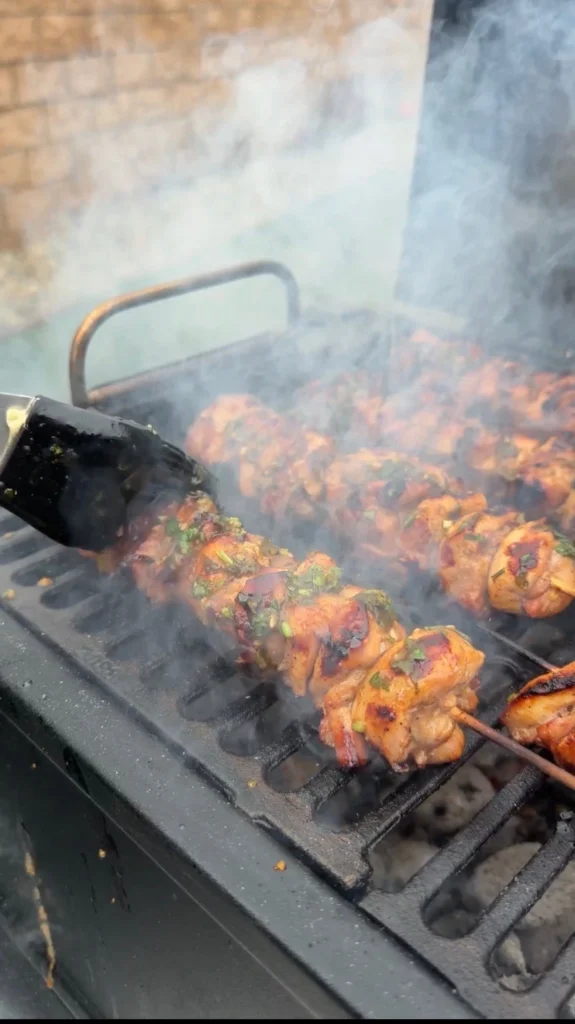
Medium-high heat between 400 to 425°F creates ideal conditions for chicken skewers. This temperature is hot enough to sear the exterior quickly. The Maillard reaction happens rapidly. You get char marks and caramelization within 4 to 5 minutes per side.
The quick searing seals the chicken’s surface. Juices get trapped inside. Less moisture escapes during cooking. The chicken stays juicier than slow-cooking at lower temperatures would produce. The brief, intense heat is actually better for moisture retention than gentle heat.
This temperature also cooks the chicken through in 8 to 10 minutes total. The short cooking time minimizes moisture loss. Even though the heat is high, the brief exposure means less overall drying than longer cooking at moderate heat.
Hot Spots and Temperature Management
Most grills have hot spots. Areas directly over burners or coals get hotter than surrounding areas. At 400 to 425°F average temperature, hot spots might reach 475 to 500°F. Cooler zones might be 375 to 400°F.
Use these temperature variations strategically. Start skewers over hot spots for aggressive searing. Once char marks form, move them to moderate zones to finish cooking through. This two-zone approach prevents burning while ensuring proper doneness.
Check multiple areas of your grill with an infrared thermometer if available. Learn where your hot and cool spots are. Position skewers accordingly. The chicken on each skewer should cook evenly. Knowing your grill’s personality creates consistent results.
Why Lower Heat Creates Rubbery Texture
Grilling chicken skewers at 325 to 350°F seems safer. The lower heat is less likely to burn the exterior. But this gentler heat creates texture problems. The chicken cooks slowly. Juices gradually leak out. By the time the interior reaches 165°F, the exterior is overcooked and dry.
The slower cooking also means less Maillard browning. The exterior stays pale or develops unappetizing gray color. The char marks are minimal. The flavor is bland because you’re missing the caramelized exterior that provides depth and complexity.
Rubbery texture also develops when chicken cooks too slowly. The proteins tighten gradually. They squeeze out moisture as they contract. Rapid high-heat cooking sets proteins quickly. They firm up before they can expel significant moisture. This counterintuitive principle is why high heat creates juicier chicken.
Why Higher Heat Risks Burning
Temperatures above 450°F become difficult to control. The sugars in the honey and tequila marinade char very quickly. Within 2 to 3 minutes, the exterior can burn. The smoke from burning sugars tastes acrid and bitter.
The chicken also cooks unevenly at very high heat. The exterior might be charred while the interior stays raw near the bone or center. Achieving 165°F throughout becomes challenging. You end up with overcooked exterior and undercooked interior simultaneously.
Flare-ups also become more frequent and intense above 450°F. The fat dripping from chicken thighs ignites violently. These flare-ups can engulf the skewers. The flame deposits sooty carbon on the chicken. The taste is unpleasant. Managing the grill becomes stressful rather than enjoyable.
The 400 to 425°F range avoids both extremes. It’s hot enough for excellent sear and char. But controlled enough to prevent burning. This temperature produces reliably excellent chicken skewers.
Tequila Lime Chicken Skewers
Silver tequila marinade, charred citrus, smoky spices
Ingredients
Chicken
- 3 lbs boneless skinless chicken thighs (or breasts), cut into large chunks
Tequila Lime Marinade
- ½ cup silver tequila
- ½ cup fresh lime juice (about 4-5 limes)
- Zest of 2 limes
- 3 tablespoons olive oil
- 4 cloves garlic, minced
- 2 tablespoons honey
- 1 tablespoon soy sauce
- 1 tablespoon chili powder
- 1 teaspoon smoked paprika
- 1 teaspoon cumin
- 1 teaspoon kosher salt
- ½ teaspoon black pepper
- ¼ teaspoon cayenne (optional for heat)
Optional Skewer Additions
- Red onion chunks
- Bell pepper chunks
- Pineapple chunks
For Serving
- Fresh cilantro, chopped
- Extra lime wedges
- Flaky sea salt (optional)
Use silver or blanco tequila, not aged reposado or añejo. Silver tequila has clean agave flavor that complements lime without oak tannins interfering. The clear color also won’t darken the marinade or create muddy appearance on the grilled chicken.
Step-by-Step Instructions
Step 1: Prepare the Chicken
Remove 3 pounds of boneless skinless chicken thighs from packaging. Pat them completely dry with paper towels. This helps the marinade adhere better.
Cut the chicken into large chunks, approximately 1½ to 2 inches per piece. Try to keep them relatively uniform in size. This ensures even cooking. Smaller pieces cook faster and can dry out. Larger pieces take longer and might have raw centers when the exterior looks done.
Place the chicken chunks in a large bowl or gallon-sized zip-top bag. Set aside while you make the marinade.
Step 2: Make the Tequila Lime Marinade
In a medium bowl, combine ½ cup silver tequila, ½ cup fresh lime juice, and the zest of 2 limes. Use a microplane or fine grater for the zest. Get only the green outer layer. The white pith underneath is bitter.
Add 3 tablespoons olive oil, 4 cloves of minced garlic, 2 tablespoons honey, and 1 tablespoon soy sauce. Whisk together until the honey dissolves completely.
Add 1 tablespoon chili powder, 1 teaspoon smoked paprika, 1 teaspoon cumin, 1 teaspoon kosher salt, and ½ teaspoon black pepper. If using cayenne, add ¼ teaspoon now. Whisk again until all spices are incorporated and the marinade is smooth.
Taste the marinade. It should be bright, acidic, and balanced. The lime should be prominent but not overwhelmingly sour. The honey should provide slight sweetness that balances the acid. The spices should be noticeable but not harsh.
Reserve ¼ cup of the marinade in a separate container for basting if desired. Cover and refrigerate. Never brush raw chicken marinade on cooked chicken without boiling it first.
Step 3: Marinate the Chicken
Pour the marinade over the chicken chunks. If using a bowl, toss with your hands or a spoon until every piece is coated. If using a zip-top bag, seal it and massage the bag to distribute marinade evenly.
Make sure no dry spots remain. The chicken should be swimming in marinade. Every surface should be in contact with the liquid.
Refrigerate for at least 2 hours. For best results, marinate overnight (8 to 12 hours). Don’t exceed 24 hours. Extended marinating can make the texture mushy from the acid.
Flip or massage the bag occasionally during marinating if you remember. This redistributes the marinade and ensures even coverage.
Step 4: Prepare the Skewers
If using wooden skewers, soak them in water for at least 30 minutes before grilling. This prevents them from catching fire on the grill. If using metal skewers, no preparation needed.
Remove the chicken from the marinade. Let excess marinade drip off but don’t pat dry. The coating of marinade on the chicken helps with caramelization.
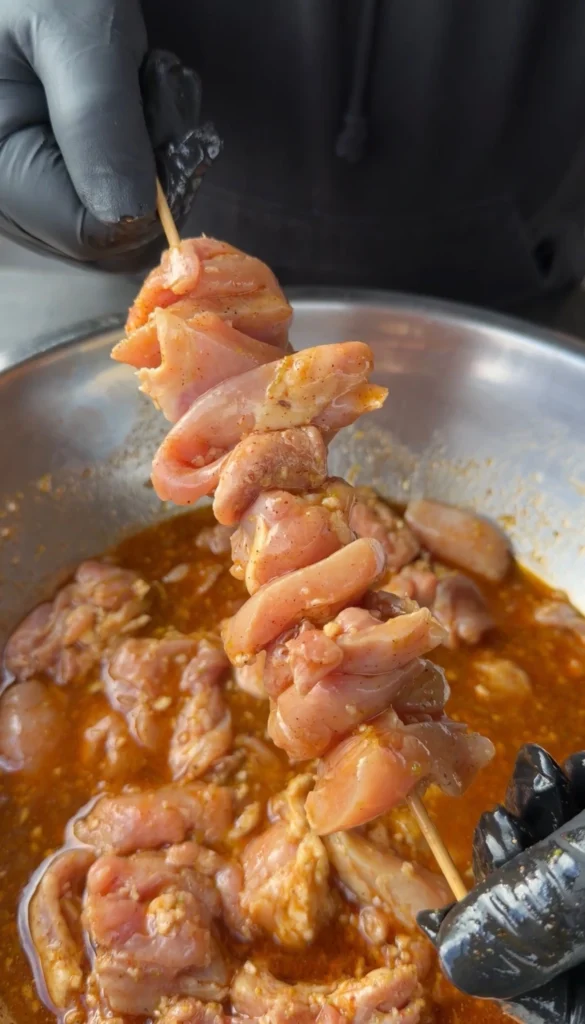
Thread 3 to 4 pieces of chicken onto each skewer. Leave small gaps between pieces for even heat circulation. If using vegetables or pineapple, alternate them between chicken pieces.
For vegetables, cut red onion and bell peppers into chunks roughly the same size as the chicken. Cut pineapple into 1-inch chunks. Thread them between chicken pieces. The vegetables and pineapple char beautifully and add color.
Arrange the completed skewers on a baking sheet or platter. You should have 10 to 14 skewers depending on chicken chunk size.
Step 5: Preheat the Grill
Preheat your grill to medium-high heat, 400 to 425°F. For gas grills, set burners to medium-high and close the lid for 10 minutes. For charcoal, arrange coals for direct high heat.
Clean the grill grates thoroughly with a grill brush. Residue from previous cooking can cause sticking. Oil the grates lightly using tongs and a paper towel soaked in high smoke point oil.
The grill is ready when you can hold your hand 5 inches above the grates for only 3 to 4 seconds before it gets too hot. This indicates proper temperature for chicken.
Step 6: Grill the Skewers
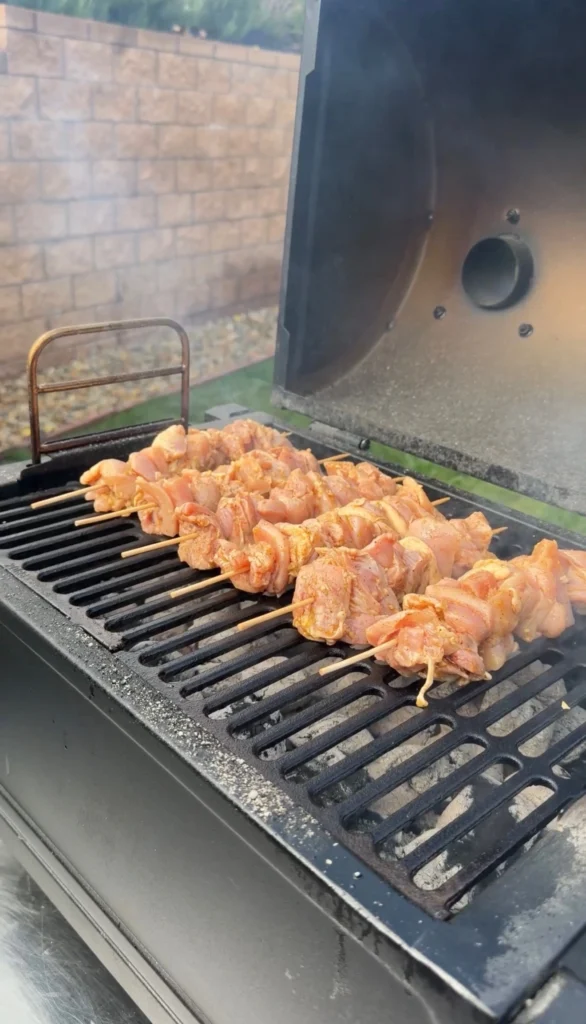
Place the skewers on the preheated grill. Arrange them perpendicular to the grates so they don’t fall through. Leave space between skewers for air circulation.
Grill for 4 to 5 minutes without moving them. The chicken should develop char marks and release from the grates naturally. If it sticks when you try to flip, give it another minute.
Flip the skewers using tongs. Grill the second side for another 4 to 5 minutes. The chicken should be charred in spots with golden-brown color overall.
Check internal temperature with an instant-read thermometer. Insert it into the thickest piece without touching the skewer. You’re looking for 165°F. If not there yet, continue grilling and checking every minute.
The total cooking time should be 8 to 10 minutes. Chicken thighs are forgiving. They stay juicy even if slightly overcooked to 170 to 175°F.
Step 7: Rest and Serve
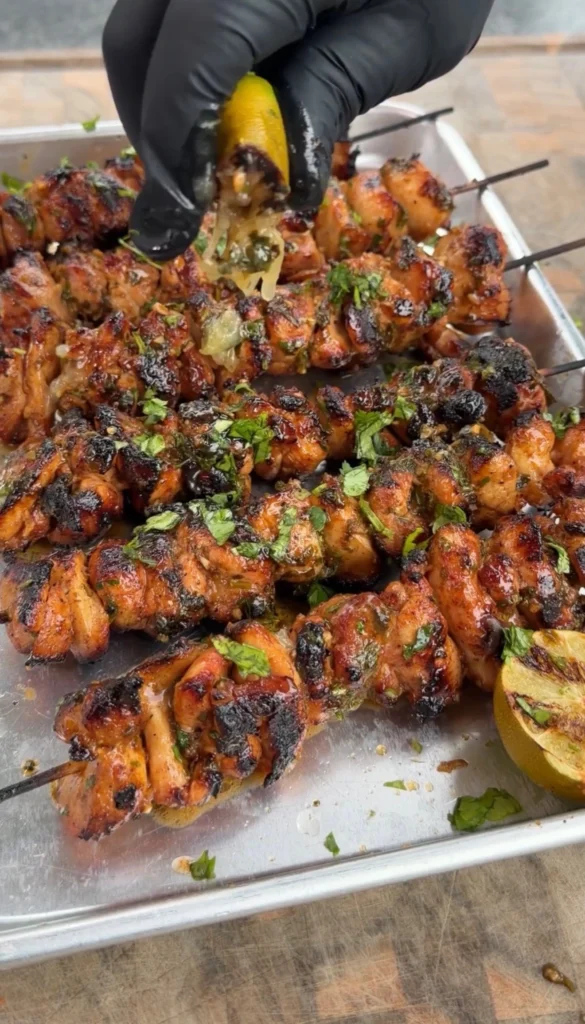
Remove the skewers from the grill when they reach 165°F. Place them on a clean platter. Let them rest for 3 to 5 minutes. This allows juices to redistribute.
While resting, brush the chicken with reserved marinade if you set some aside. If you didn’t reserve clean marinade, brush with melted butter or leave as-is. The chicken already has plenty of flavor.
Garnish with freshly chopped cilantro. Squeeze extra lime juice over the skewers. If using flaky sea salt, sprinkle it on now. The texture and burst of salt create a finishing touch.
Serve immediately while hot. Provide extra lime wedges on the side. The skewers are ready to eat directly or can be served over rice, with tortillas, or alongside grilled vegetables.
Tequila Lime Chicken Skewers
Ingredients
Equipment
Method
- Pat chicken dry and cut into 1½ to 2-inch chunks. Place in large bowl or zip-top bag.
- In medium bowl, whisk together tequila, lime juice, lime zest, olive oil, garlic, honey, and soy sauce. Add chili powder, smoked paprika, cumin, salt, pepper, and cayenne if using. Whisk until smooth. Reserve ¼ cup for basting if desired.
- Pour marinade over chicken. Toss to coat thoroughly. Refrigerate for at least 2 hours, ideally overnight (8 to 12 hours). Don’t exceed 24 hours.
- If using wooden skewers, soak in water for 30 minutes. Thread 3 to 4 pieces of chicken onto each skewer. Add vegetables or pineapple between chicken pieces if desired.
- Preheat grill to 400 to 425°F. Clean and oil grates.
- Grill skewers for 4 to 5 minutes per side until chicken reaches 165°F internal temperature and has char marks. Total time: 8 to 10 minutes.
- Remove from grill and let rest 3 to 5 minutes. Garnish with cilantro, squeeze lime juice over top, and sprinkle with flaky salt if using. Serve immediately with extra lime wedges.
Nutrition
Notes
Tried this recipe?
Let us know how it was!Frequently Asked Questions
Can You Make These Skewers Without Alcohol?
You can substitute tequila with other liquids. Use ½ cup of orange juice or pineapple juice for sweetness and acidity similar to tequila. Add 1 teaspoon of lime zest to the juice for complexity. The flavor will be different but still good.
For closer approximation to tequila’s earthy notes, add ½ teaspoon of ground coriander or a splash of mezcal if you have it. Mezcal is smokier than tequila but works in the same way. If avoiding all alcohol, these substitutions create acceptable results.
The main differences without tequila are less flavor penetration and different caramelization. Alcohol helps marinades penetrate faster. Without it, marinate for the full overnight period. Juices also caramelize differently than alcohol-sugar combinations. The char will be slightly less developed.
What Sides Pair Well with Tequila Lime Chicken Skewers?
Cilantro lime rice is a natural pairing. The flavors echo the marinade. The rice soaks up any excess marinade or juice from resting the chicken. Make it in a rice cooker or on the stovetop while the chicken marinates.
Mexican street corn (elote) provides complementary flavors. Grilled corn with mayo, cotija cheese, chili powder, and lime creates sweet, creamy, spicy contrast. Grill the corn alongside the chicken skewers for efficiency.
Black bean and corn salad offers fresh, light contrast. Mix canned black beans, corn, diced tomatoes, red onion, cilantro, and lime juice. The room temperature salad balances the hot grilled chicken.
Flour tortillas for building tacos work great. Pull the chicken off skewers and serve with warm tortillas, salsa, avocado, and toppings. This creates interactive dining. Guests build their own tacos.
Grilled pineapple or mango salsa adds tropical sweetness. The fruit echoes the tequila’s agave sweetness. The fresh salsa brightness complements the smoky chicken.
How Do You Prevent Chicken from Sticking to the Grill?
Clean grates are essential. Use a grill brush to remove all residue from previous cooking. Built-up carbonized food creates sticky surfaces. Clean grates prevent most sticking issues.
Oil the grates right before cooking. Use tongs to hold a paper towel soaked in high smoke point oil. Wipe it across the hot grates. The oil creates a nonstick surface. Don’t use cooking spray. It can leave sticky residue.
Don’t move the chicken too early. When chicken first touches the grill, it sticks. As it cooks and develops crust, it releases naturally. If you try to flip before it’s ready, you’ll tear the meat. Wait until the chicken releases easily.
The marinade also helps prevent sticking. The oil in the marinade creates a barrier. The sugars in honey caramelize and form a crust that releases from the grill. This is another advantage of well-marinated chicken over plain seasoned chicken.
Can You Bake These Skewers Instead of Grilling?
You can bake chicken skewers in the oven. Preheat to 425°F. Place skewers on a baking sheet lined with parchment paper or a wire rack. Bake for 15 to 18 minutes, flipping halfway through, until they reach 165°F.
The texture will be different from grilled skewers. You won’t get char marks or smoky flavor. The chicken will be more uniformly cooked without the caramelized spots that make grilled skewers special.
For better results in the oven, finish under the broiler. After baking to 155°F, move the skewers to a position 4 to 6 inches from the broiler element. Broil for 2 to 3 minutes per side until charred in spots and reaching 165°F. This approximates grill char.
An outdoor grill or even a grill pan on the stovetop produces superior results. The direct high heat creates flavor you can’t replicate in a conventional oven. If you make these regularly, the grill is worth the effort.
How Long Do Leftover Skewers Keep?
Store leftover chicken in an airtight container in the refrigerator for up to 4 days. Remove the chicken from the skewers before storing. The wooden skewers can splinter or become soggy. Metal skewers take up unnecessary space.
The chicken reheats reasonably well. Use the microwave at 50% power in 30-second intervals. Or reheat in a 300°F oven for 10 to 12 minutes until warmed through. Add a splash of water or lime juice to prevent drying.
The texture won’t be as good as fresh. The char loses its crispness. The chicken firms up during refrigeration. But the flavor remains excellent. The marinade continues developing overnight. Many people prefer the flavor of day-old chicken.
For freezing, place cooled chicken in freezer-safe containers or bags. Freeze for up to 3 months. Thaw in the refrigerator overnight before reheating. Frozen and thawed chicken loses more moisture than fresh. Use it in tacos or salads where the drier texture is less noticeable.
Ready to Level Up?
Take your backyard cooking from good to legendary.
This is where I keep all my most-used smokers, knives, and favorite cooking tools.
Shop My Gear CollectionExplore More Recipes
Find more diverse flavors at CWFeats.com