
Skirt Steak Tacos
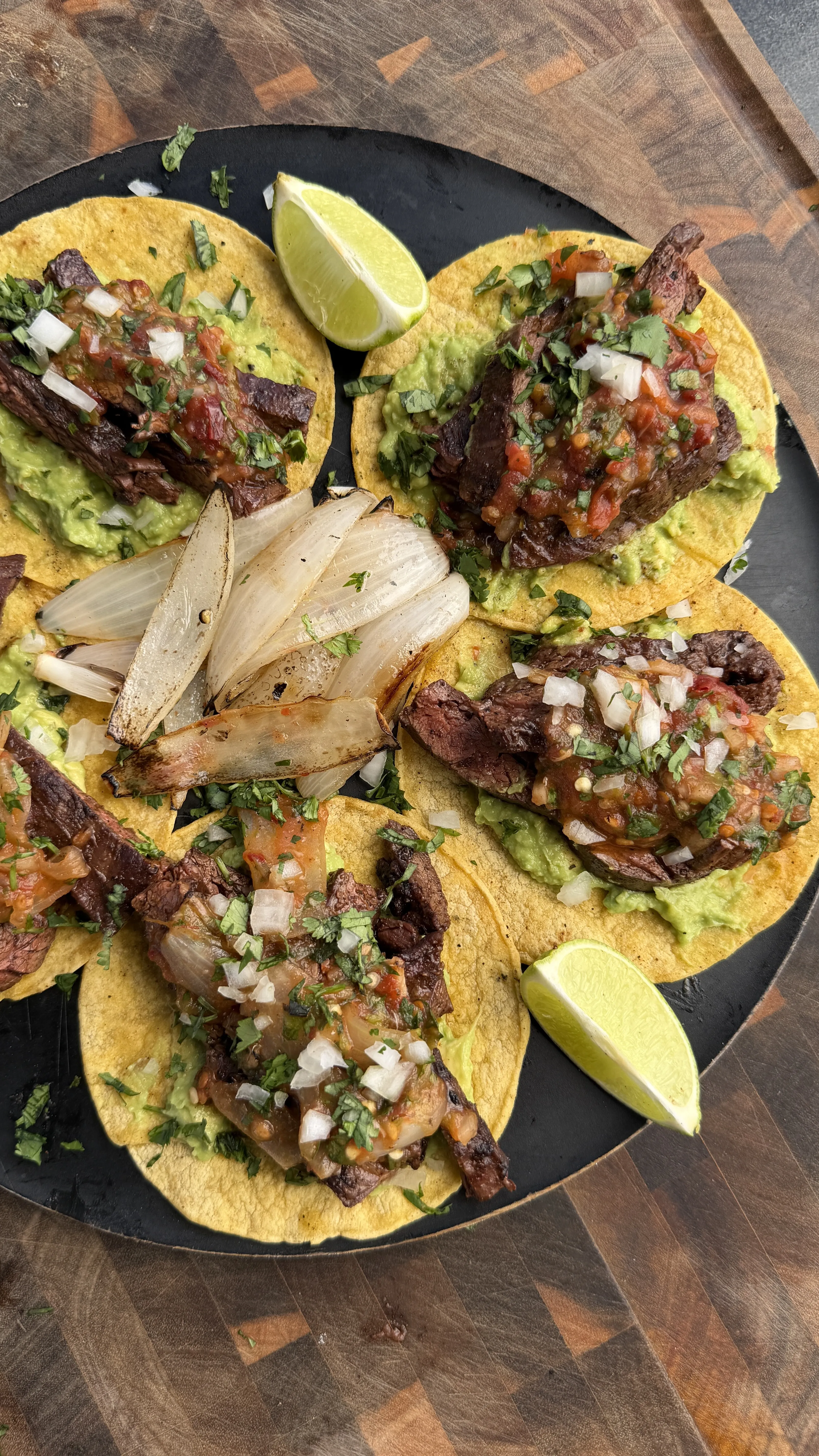
These skirt steak tacos get the meat dry-seasoned with cumin, chili powder, garlic, salt, and pepper, then grilled hot and fast at high heat for 3 to 4 minutes per side until medium-rare. After a 10-minute rest, the steak gets sliced thin against the grain and tucked into warm corn tortillas with a charred chipotle salsa made from roasted Roma tomatoes, white onion, jalapeños, garlic, and chipotle peppers in adobo. Finished with diced onion, fresh cilantro, and a squeeze of lime, the recipe yields 6 to 8 tacos in about 30 minutes for a backyard cookout or weeknight dinner.
Why Skirt Steak Is the Best Cut for Tacos
Aggressive Grain and High Fat Marbling
Skirt steak comes from the plate section of the cow, located between the brisket and the flank. The cut has long, visible muscle fibers running in one direction, which gives it the loose, aggressive grain that holds onto seasoning and char beautifully. Furthermore, skirt steak carries significantly more intramuscular fat than flank or sirloin, which keeps the meat juicy even at the higher heat needed for proper taco searing. The combination of pronounced grain and marbling makes skirt steak ideal for the thin slicing that defines great taco meat.
Inside Skirt vs Outside Skirt at the Butcher
Skirt steak sells in two versions. Outside skirt comes from the diaphragm muscle and is thicker, more tender, and slightly more expensive. Inside skirt is thinner, leaner, and more affordable but tougher if overcooked. Therefore, ask the butcher for outside skirt if available. If only inside skirt is in the case, it still works for tacos as long as you do not push past medium doneness and you slice it thin enough. Avoid pre-cut skirt steak chunks labeled “fajita meat,” which often combine both types and skip the trimming step.
The Carne Asada Connection (Sonoran vs California Style)
Dry-Seasoned Northern Mexican Style
In northern Mexico, particularly in Sonora and other border states, carne asada traditionally uses skirt steak (or arrachera) with a simple dry rub of salt, pepper, garlic, and ground spices. The technique relies on the cut’s natural fat and the char from high-heat grilling for flavor, not a marinade. Consequently, this skirt steak taco recipe sits squarely in that Sonoran tradition. The cumin, chili powder, and garlic powder build the same flavor base you find at a roadside taqueria in Hermosillo or Nogales, just with American spice-cabinet ingredients.
Why This Recipe Skips the Citrus Marinade
California-style carne asada (and many American taco recipes) calls for a citrus marinade of lime juice, orange juice, garlic, and cilantro. That technique works for thicker cuts that benefit from acid tenderization. Skirt steak does not need it. The cut is already tender enough that marinade acid breaks down the muscle fibers too far and produces mushy meat. Moreover, a dry rub builds a darker, more flavorful crust during the high-heat sear, since marinade moisture has to evaporate before browning can begin. As a result, dry-seasoning is both faster and produces better char on skirt.
Building the Charred Chipotle Salsa
Why Roasting the Vegetables Beats Raw Salsa
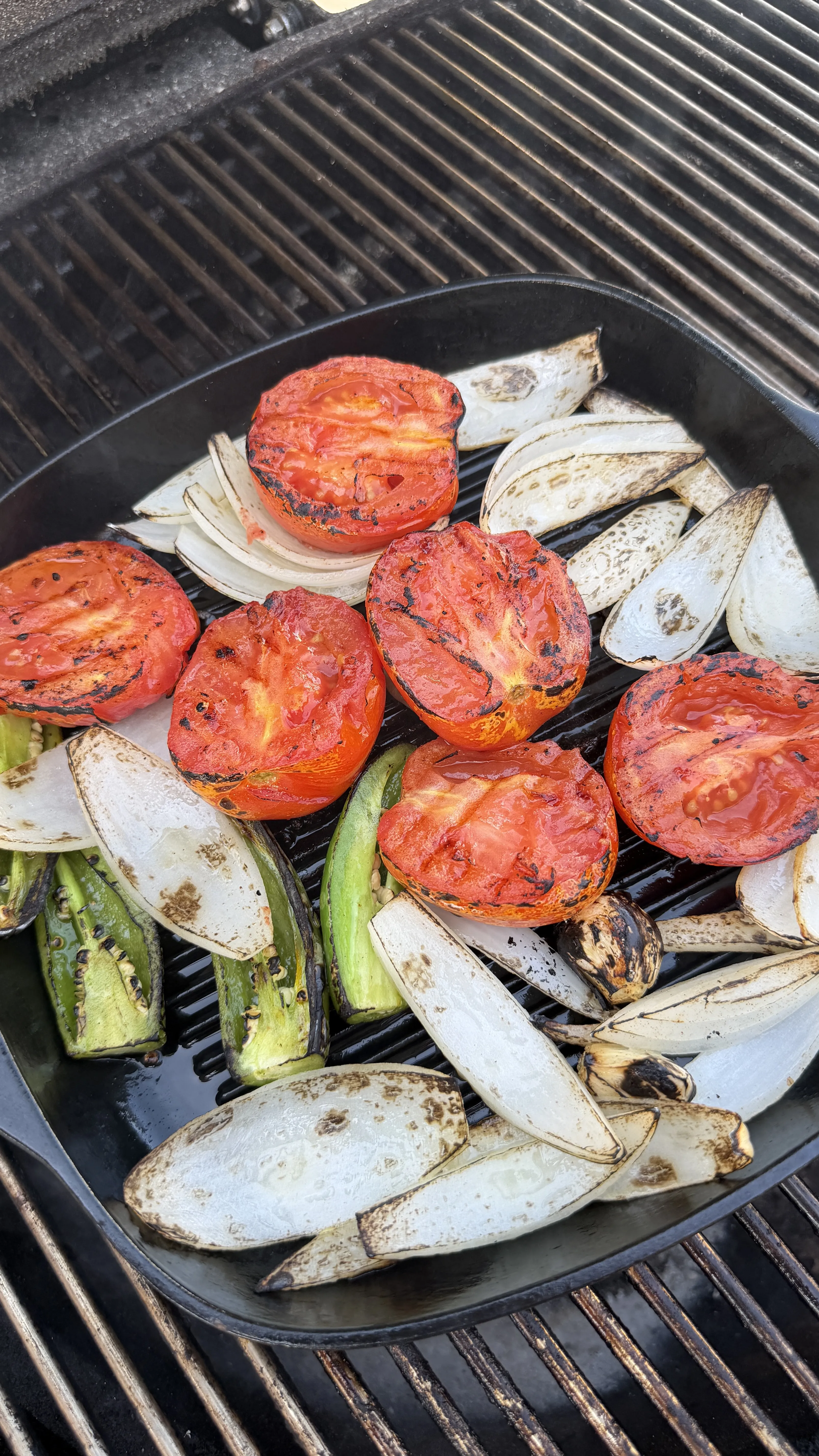
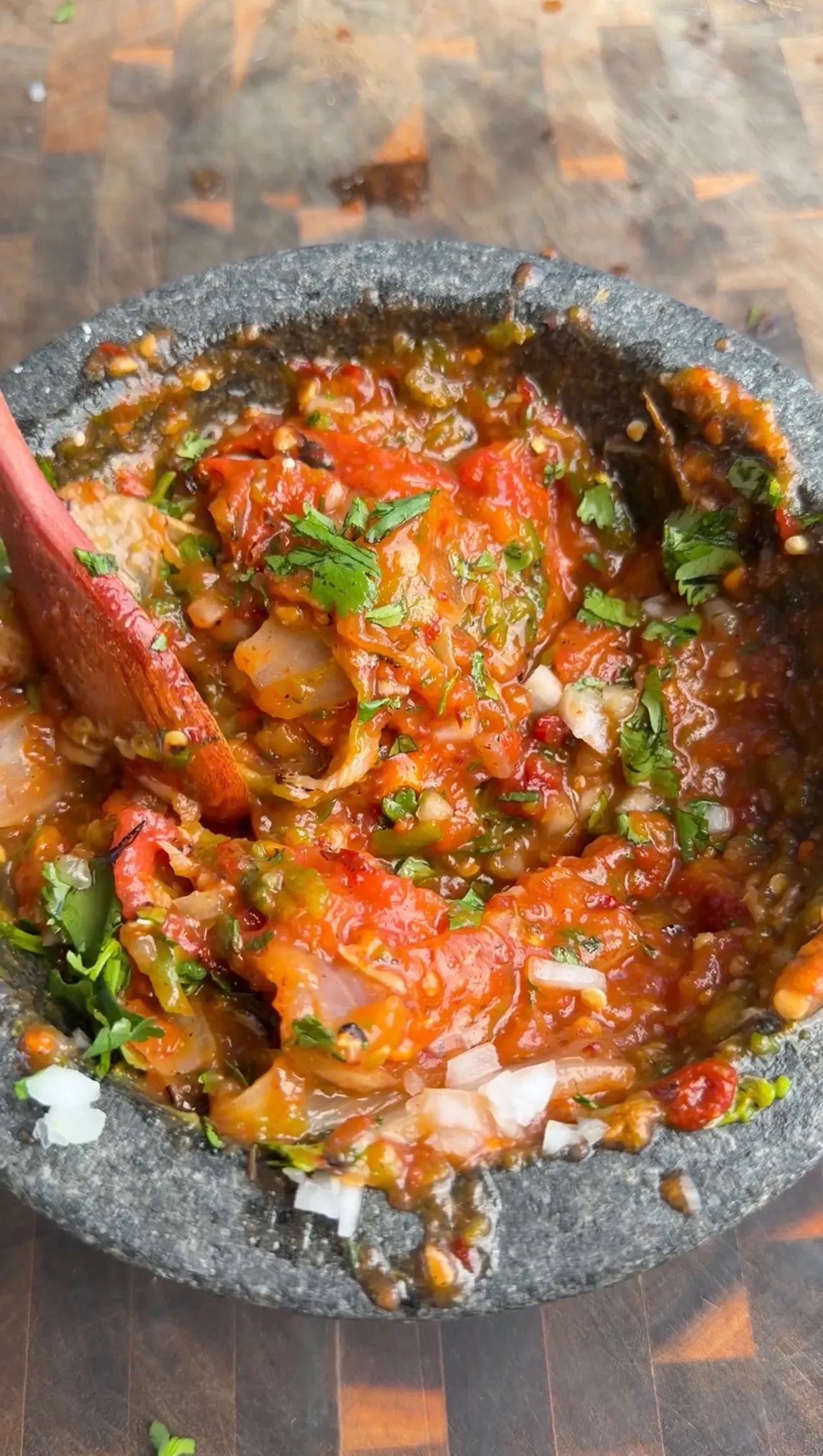
Raw pico de gallo is bright and fresh, but it lacks the depth needed to stand up to grilled steak. Charring the tomatoes, onion, jalapeños, and garlic on a hot grill or cast iron skillet before blending transforms the salsa entirely. Specifically, the heat caramelizes the natural sugars in the tomatoes and onions, builds Maillard browning on the surface, and softens the raw bite of the garlic and jalapeños. As a result, the finished salsa tastes smoky and complex rather than sharp and watery.
The Chipotle in Adobo Detail That Adds Depth
Chipotle peppers in adobo (canned, typically labeled “La Costeña” or “San Marcos”) are smoked, dried jalapeños rehydrated in a tomato-vinegar sauce. Adding 2 of them to the blender contributes three things at once: deep smokiness, layered heat, and the adobo sauce’s sweet-tangy acid. Additionally, these add a flavor dimension that a fresh-pepper-only salsa cannot replicate. One can keeps in the fridge for 2 months after opening, so leftover chipotles will get used in other recipes.
High-Heat Grilling and Slicing Against the Grain
3 to 4 Minutes Per Side at High Heat
Skirt steak is thin (typically 1/2 to 3/4 inch thick) and cooks fast. The right approach is direct high heat (500°F+ on a charcoal or gas grill) for 3 to 4 minutes per side, pulling at medium-rare to medium. Lower heat dries the steak out before it develops a crust, since the meat finishes internally before the exterior browns. Therefore, get the grill ripping hot before the steak goes on. The visual cue is when the grate makes you flinch if you bring your hand within 6 inches.
How to Identify and Slice Against the Grain
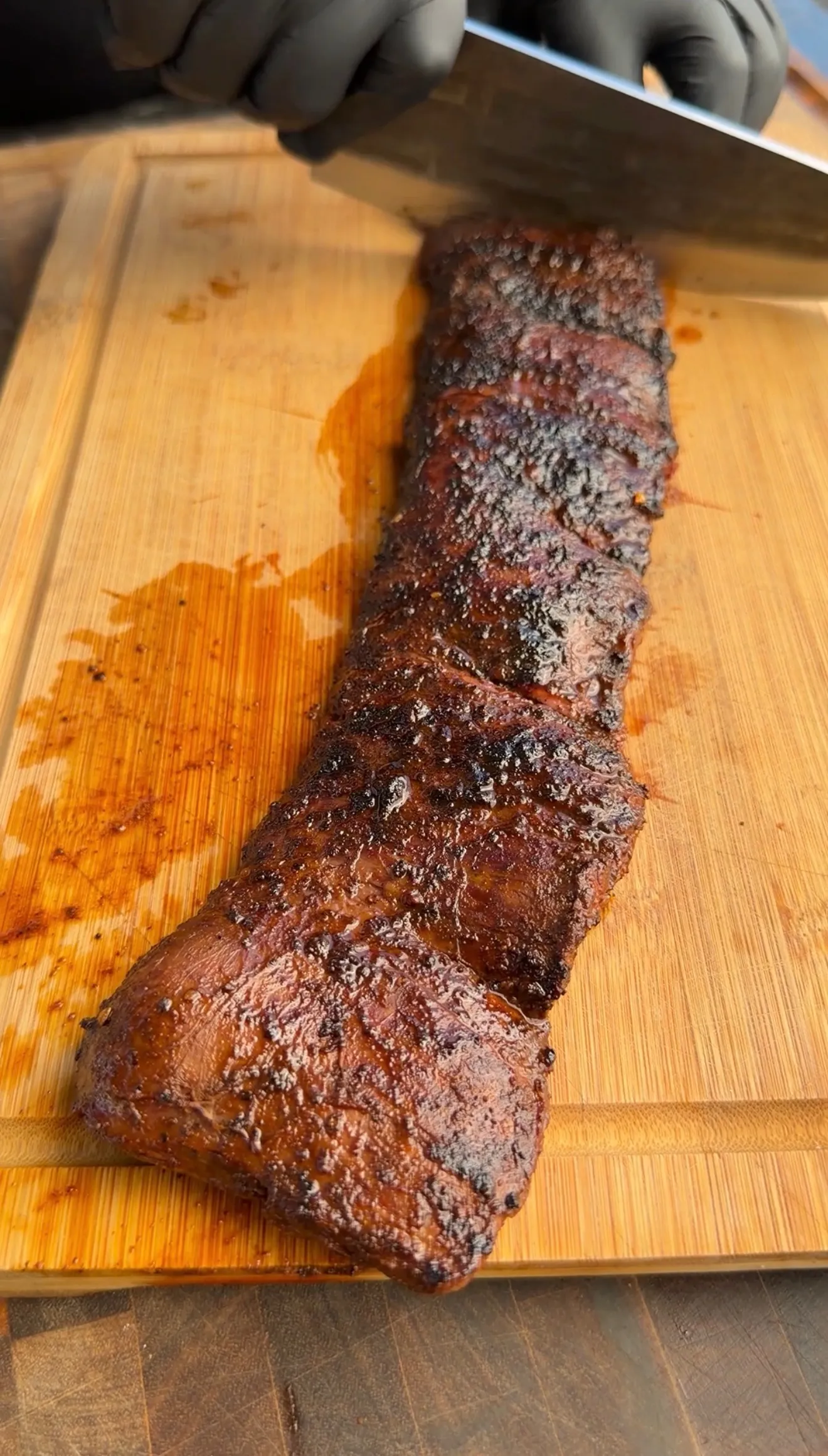
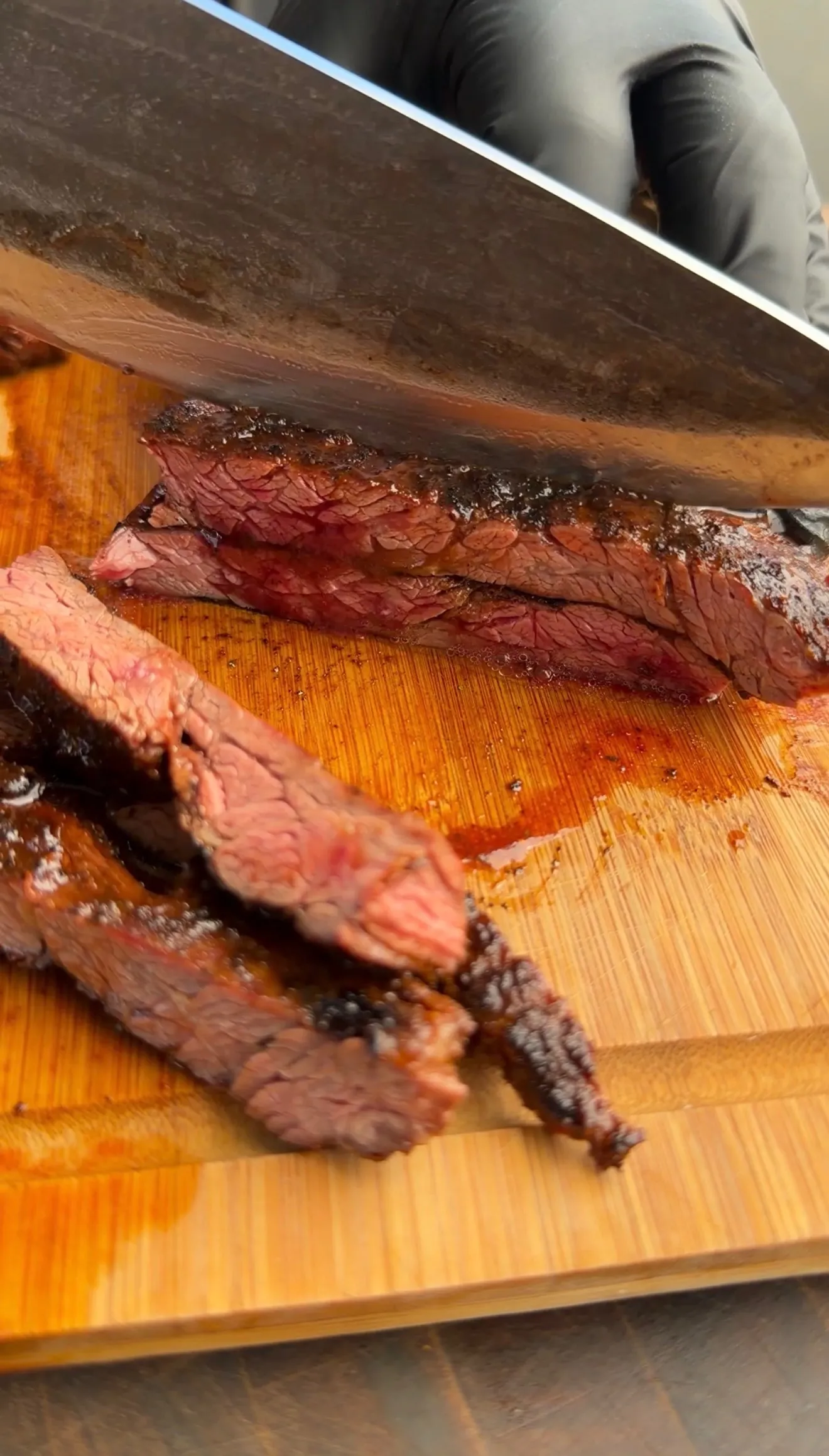
After the 10-minute rest, look at the steak surface. You will see long muscle fibers running in one direction along the length of the cut. Slicing with the grain leaves chewy, stringy bites that fight your teeth. Slicing against the grain (perpendicular to those fibers) shortens the muscle fibers and produces tender, easy-to-bite pieces. Moreover, hold the knife at a slight bias (about 30 degrees from vertical) to create wider, thinner slices that pile into a taco better than straight-down cuts.
Assembling the Tacos for Maximum Flavor
Why Corn Tortillas Beat Flour for This Recipe
Corn tortillas have the slight sweetness and toasted-grain flavor that complement charred beef without competing with it. Flour tortillas are softer and richer, which works for burritos or buttery breakfast tacos but masks the carne asada flavor profile. Furthermore, corn tortillas develop a leopard-spotted char when warmed directly over an open flame or in a dry skillet, which adds another layer of texture and toasted-corn flavor to the finished taco. Use small 4- to 5-inch tortillas, doubled up for structural integrity.
The Right Taco Toppings Layer Order
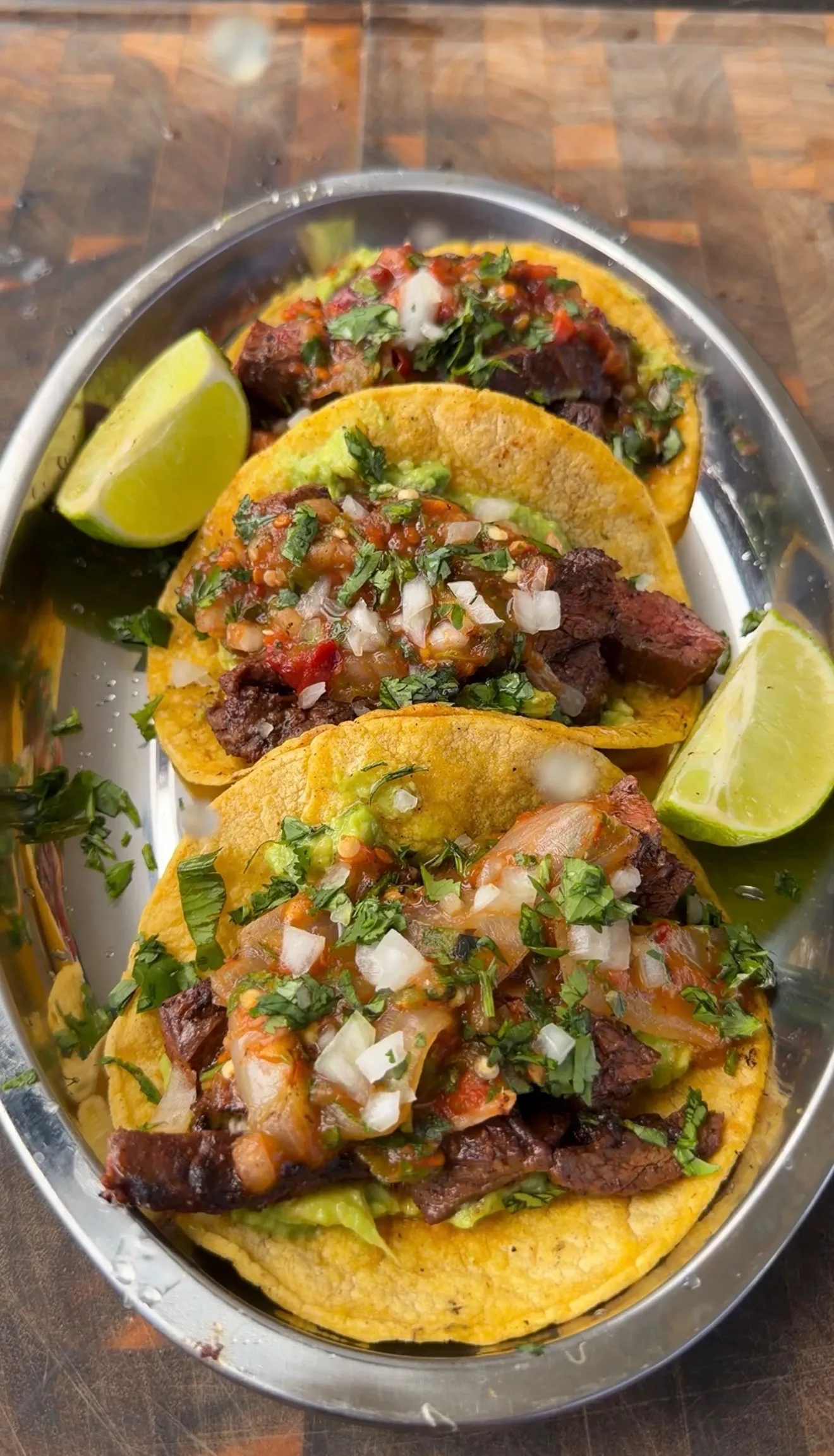
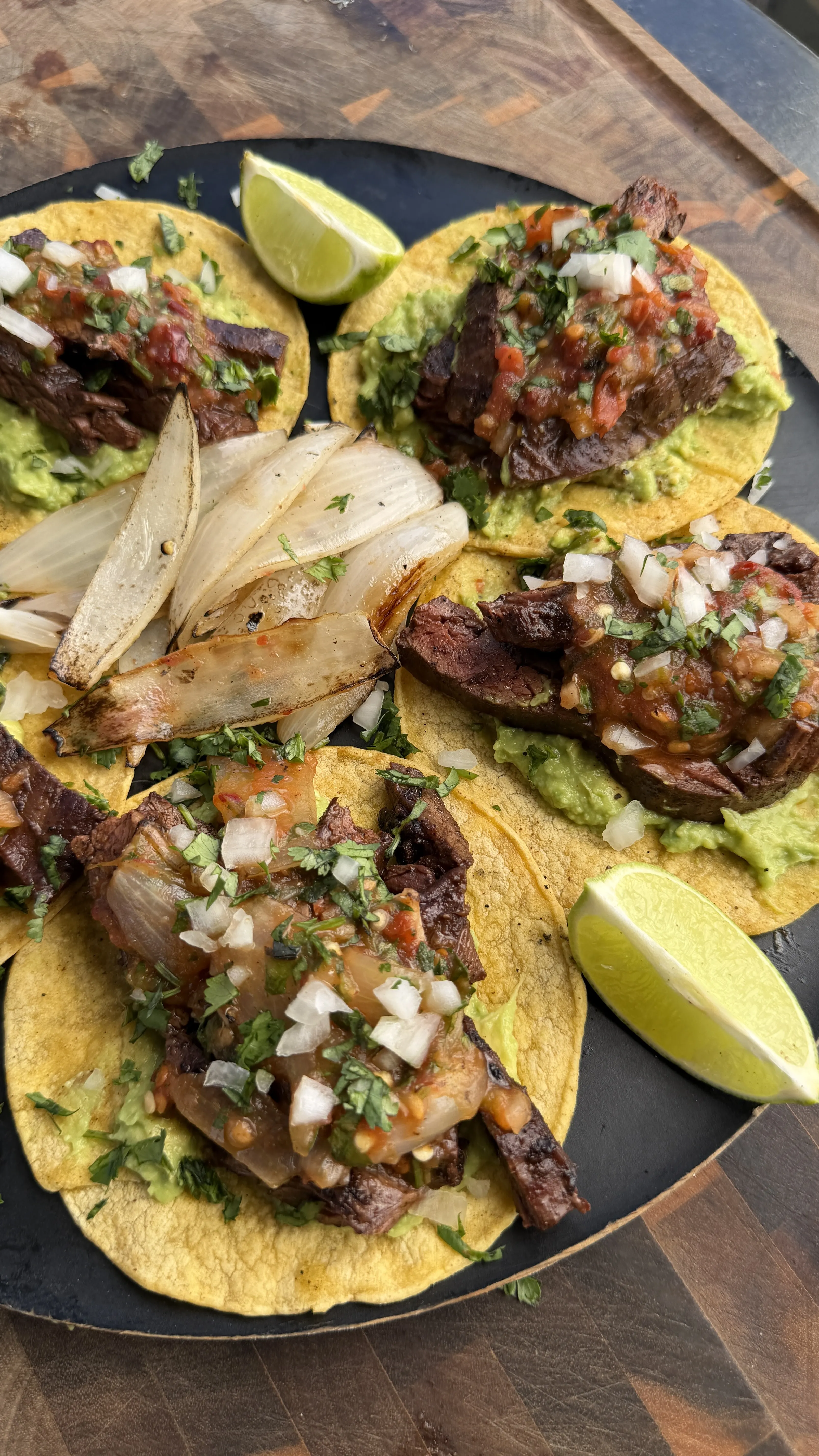
Build each taco in this order: warm doubled corn tortilla, sliced skirt steak across the center, chipotle salsa spooned over the steak, diced white onion sprinkled on top, fresh cilantro to finish, and a squeeze of fresh lime juice right before eating. Specifically, putting salsa directly on the steak gets the flavor into every bite rather than concentrating it in one spot. Additionally, the onion and cilantro go on top of the salsa to keep them crisp and bright, since covering them with salsa wilts them prematurely.
Step-by-Step: How to Make These Skirt Steak Tacos
Step 1: Season the Skirt Steak
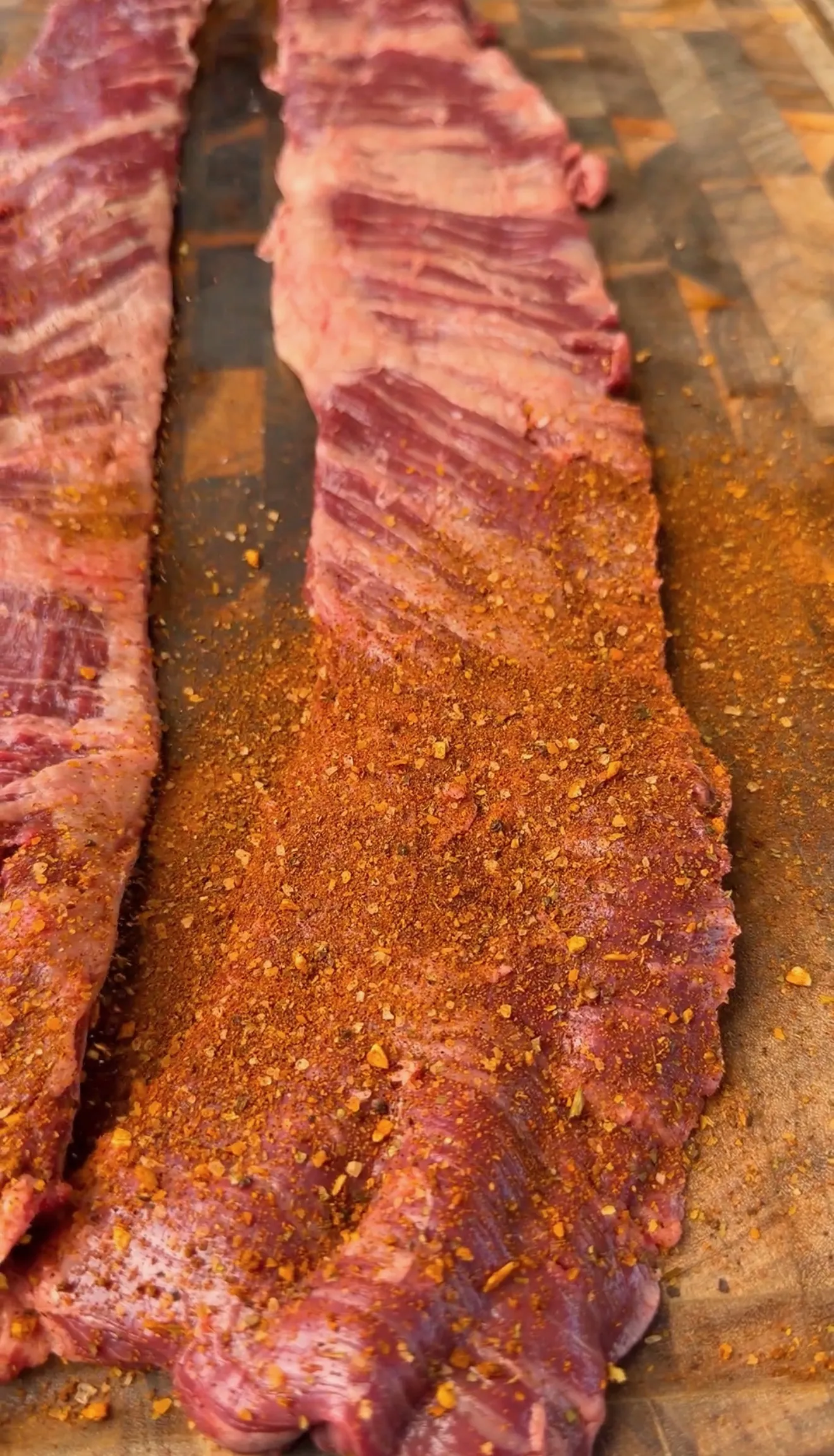
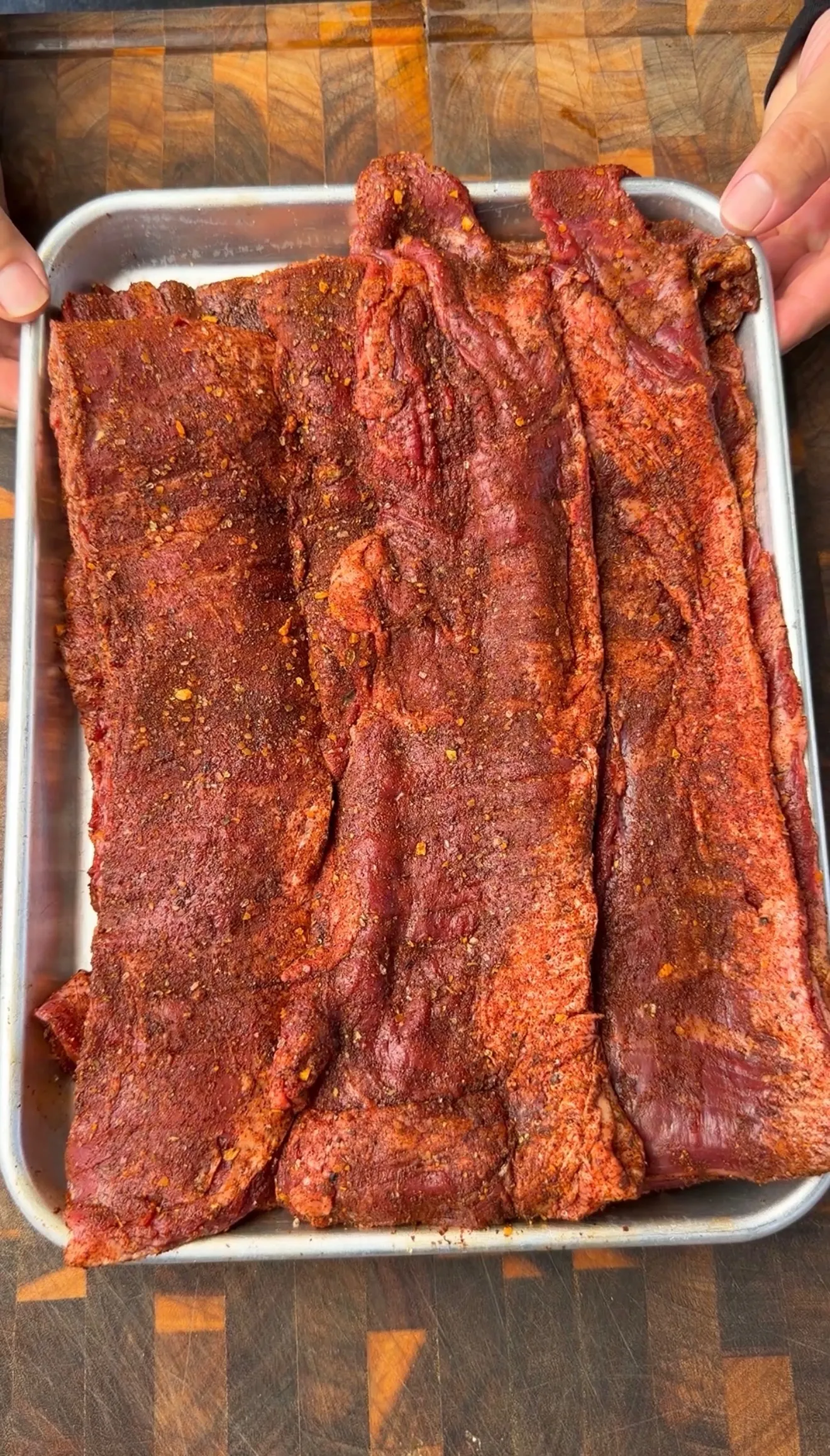
Pat the skirt steak dry with paper towels. Rub the 2 tablespoons of avocado oil evenly over both sides, then season generously with the kosher salt, black pepper, garlic powder, cumin, and chili powder. The oil helps the spices adhere and conducts heat into the surface for a better sear.
Step 2: Char the Salsa Vegetables
While the grill heats, char the salsa vegetables. Place the Roma tomatoes, quartered white onion, whole jalapeños, and garlic cloves directly on the hot grate or in a dry cast iron skillet on the grill. Cook for 8 to 10 minutes, turning occasionally, until the surfaces are blackened in spots and the vegetables have softened.
Step 3: Blend the Chipotle Salsa
Transfer the charred vegetables to a blender. Add the 2 chipotle peppers in adobo (with a teaspoon of the adobo sauce), the juice of 1 lime, and 1 teaspoon of kosher salt. Blend until smooth, about 30 seconds. Taste and adjust salt or chipotle if needed. Set aside.
Step 4: Grill the Skirt Steak Hot and Fast
Get the grill ripping hot (500°F+). Place the seasoned skirt steak directly over the high-heat zone and grill for 3 to 4 minutes per side, depending on thickness. Pull at medium-rare to medium (130°F to 140°F internal). The high heat builds char while keeping the inside juicy.
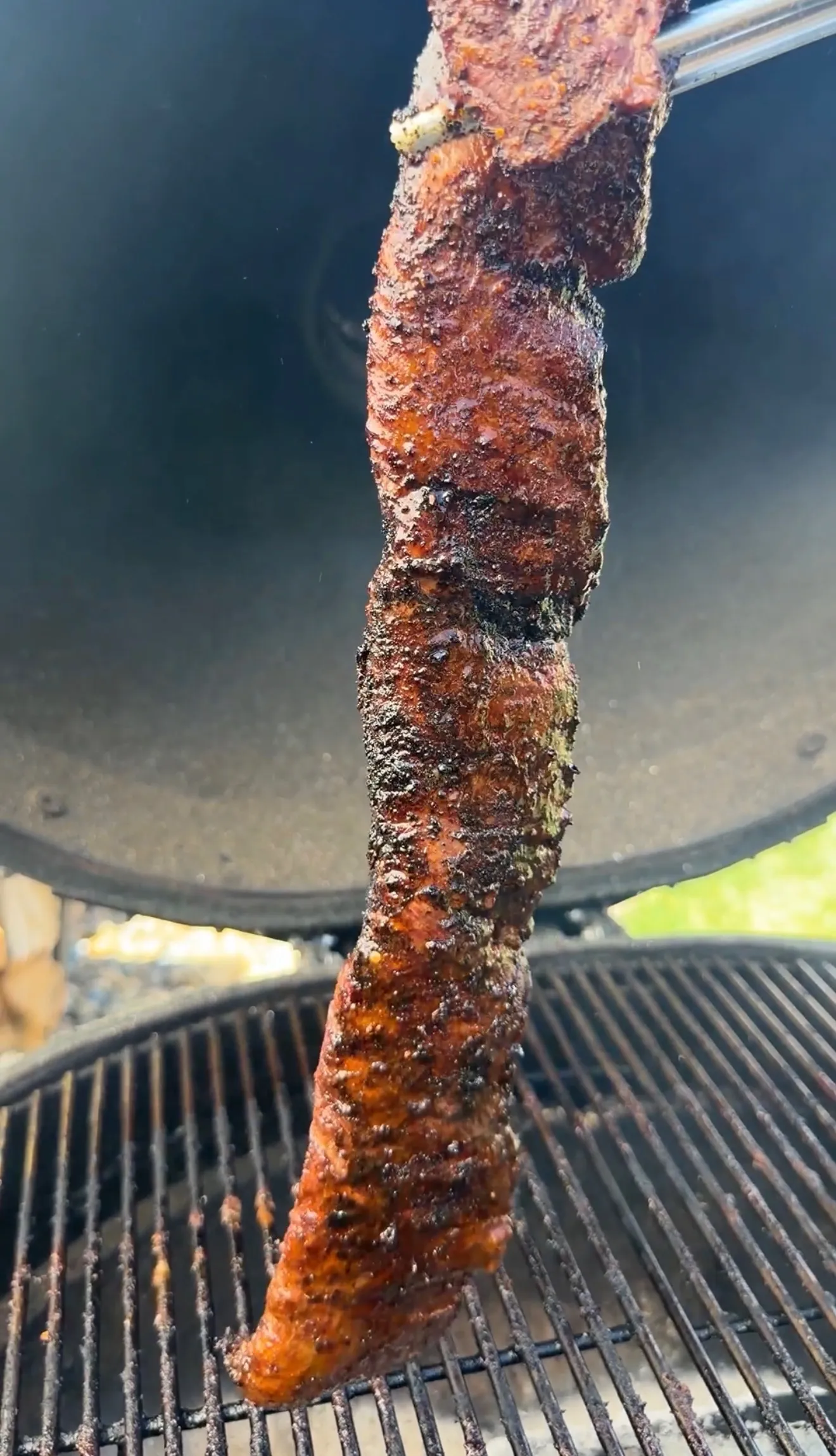
Step 5: Rest the Steak for 10 Minutes
Transfer the grilled steak to a cutting board and let it rest for 10 minutes uncovered. The rest lets the muscle fibers relax and the juices redistribute throughout the meat instead of running out when sliced. Skipping the rest leaves you with dry meat and a pool of juice on the cutting board.
Step 6: Slice Thin Against the Grain
Identify the long muscle fibers on the surface of the rested steak. Hold the knife at a slight bias (about 30 degrees) and slice perpendicular to those fibers in thin pieces, about a quarter-inch thick. The bias cut creates wider, more visually appealing slices that pile into tacos better than straight cuts.
Step 7: Warm Tortillas, Build, and Serve
Warm the corn tortillas directly over a gas flame or on the grill for 10 seconds per side until soft and lightly charred. Double them up for structural integrity. Fill each tortilla with sliced skirt steak, spoon chipotle salsa over the top, then finish with diced white onion, fresh cilantro, and a squeeze of lime juice. Serve immediately.
Skirt Steak Tacos with Chipotle Salsa
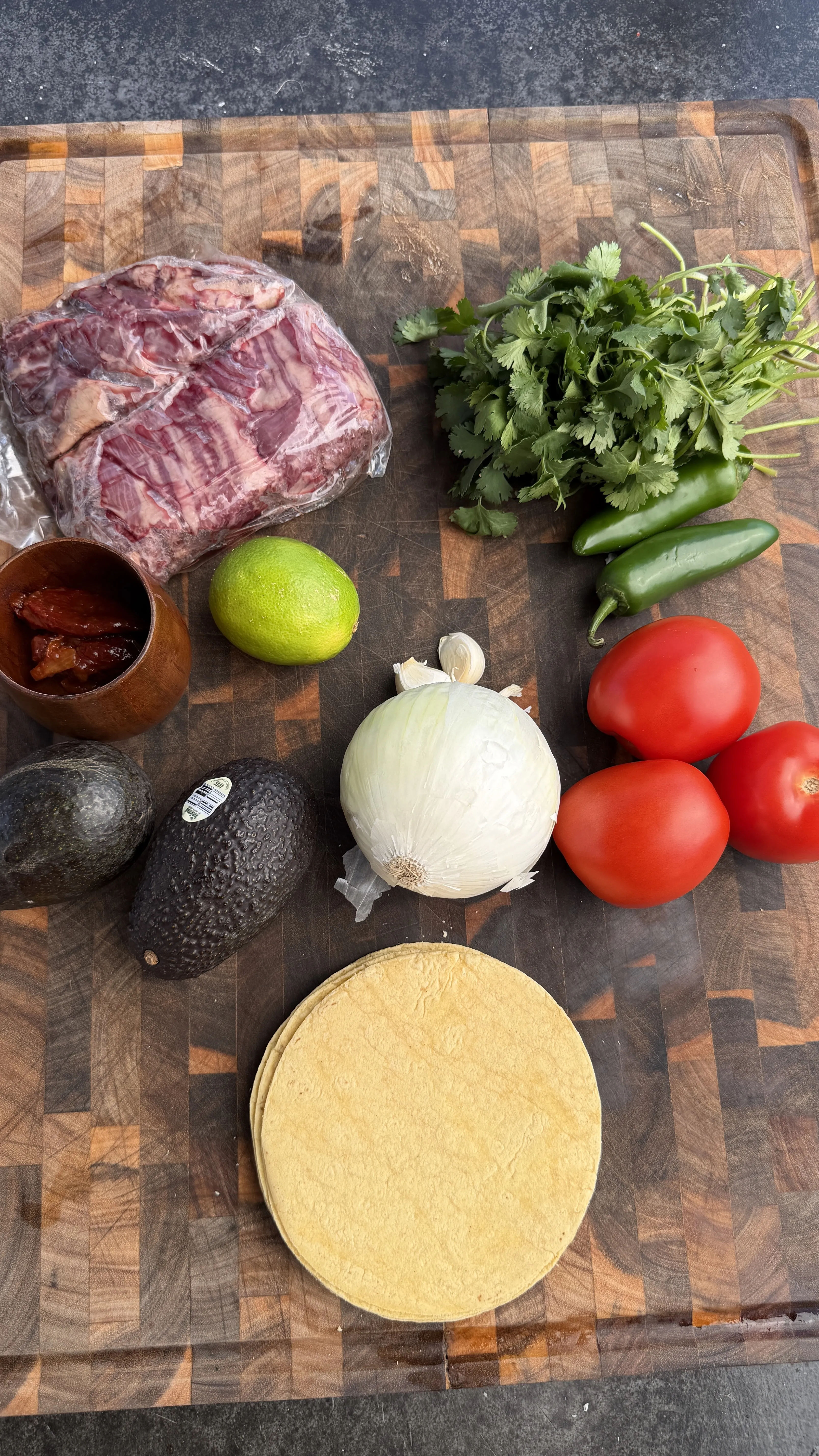
Ingredients
Equipment
Method
- Pat the skirt steak dry with paper towels. Rub both sides with avocado oil, then season generously with kosher salt, black pepper, garlic powder, cumin, and chili powder.
- While the grill heats, char the Roma tomatoes, quartered white onion, whole jalapeños, and garlic cloves directly on the hot grate or in a dry cast iron skillet for 8 to 10 minutes, turning occasionally, until blackened in spots.
- Transfer the charred vegetables to a blender. Add the chipotle peppers in adobo, lime juice, and 1 teaspoon of kosher salt. Blend until smooth, about 30 seconds. Taste and adjust salt or chipotle. Set aside.
- Get the grill ripping hot (500°F+). Place the seasoned skirt steak directly over high heat and grill for 3 to 4 minutes per side until medium-rare to medium (130-140°F internal).
- Transfer the steak to a cutting board and rest uncovered for 10 minutes. This lets the muscle fibers relax and the juices redistribute throughout the meat.
- Identify the long muscle fibers running along the steak. Slice thin (about 1/4-inch) against the grain at a slight bias to create wide, tender pieces for the tacos.
- Warm corn tortillas directly over a gas flame or grill grate for 10 seconds per side until soft and lightly charred. Double them up for structure.
- Fill each tortilla with sliced skirt steak, spoon chipotle salsa over the top, then finish with diced white onion, fresh cilantro, and a squeeze of lime juice. Serve immediately.
Notes
Tried this recipe?
Let us know how it was!Skirt Steak Tacos — FAQ
Everything you need to nail the cut, the cook, and the salsa.
Setup & Basics
Outside skirt comes from the cow’s diaphragm muscle and is thicker, more tender, and slightly more expensive. Inside skirt is thinner, leaner, and tougher if overcooked. Outside skirt is the preferred choice for these tacos, but it’s less commonly stocked in standard grocery stores. Ask the butcher specifically. Inside skirt still works fine as long as you don’t push past medium doneness and you slice thin against the grain.
Yes. Flank steak is the closest substitute. It has similar long-grain structure and works well with the same dry rub and high-heat technique. Flank is thicker than skirt, so add 1 to 2 minutes per side on the grill. Flat iron steak also works and is more tender than either skirt or flank. Avoid sirloin, ribeye, or tenderloin for tacos — those cuts are too thick to develop the right texture for thin taco slicing, and they’re better suited to serving as steaks.
They make the salsa what it is. Chipotle peppers in adobo are smoked, dried jalapeños rehydrated in a tomato-vinegar sauce, contributing deep smokiness, layered heat, and tangy acid that a fresh-pepper-only salsa cannot match. Find them in the Mexican section of any grocery store (La Costeña and San Marcos are the most common brands), usually for under $3 a can. Leftovers keep in an airtight container in the fridge for 2 months. As a substitute, use 1 teaspoon of smoked paprika plus an extra jalapeño, though the flavor depth will be noticeably lighter.
Corn tortillas have the toasted-grain flavor and slight sweetness that complement charred beef without competing with it. Flour tortillas are softer and richer, which works for burritos or breakfast tacos but masks the carne asada flavor profile. Furthermore, corn tortillas develop a leopard-spotted char when warmed directly over an open flame, adding texture and toasted-corn flavor to every bite. Use small 4 to 5-inch tortillas, and double them up for structural integrity since single corn tortillas tear easily under the weight of the steak and salsa.
Technique & Troubleshooting
Three likely causes. First, you sliced with the grain instead of against it. This is the most common mistake. Look at the long muscle fibers on the steak surface and slice perpendicular to them. Second, the steak was overcooked past medium. Skirt steak gets tough fast above 145°F internal. Pull at 130-140°F for medium-rare to medium. Third, you skipped the 10-minute rest. The rest lets muscle fibers relax. Slicing straight off the grill produces dry, tough meat regardless of how well you cooked it.
Yes. A cast iron skillet over high heat is the best stovetop method. Get the skillet ripping hot (until it just barely starts to smoke) and sear the steak 3 to 4 minutes per side. Cast iron retains heat well enough to build the char that skirt steak needs. Avoid non-stick or stainless skillets for this — they don’t get hot enough to develop a proper crust. For the salsa vegetables, char them directly on a gas burner flame (use tongs to rotate) or in the same cast iron skillet. You’ll lose some live-fire smoke flavor, but the chipotle peppers in adobo bring enough smokiness to carry the salsa.
Ready to Level Up?
Take your backyard cooking from good to legendary.
This is where I keep all my most-used smokers, knives, and favorite cooking tools.
Shop My Gear CollectionExplore More Recipes
Find more diverse flavors at CWFeats.com