
Cajun Smoked Chicken Thighs
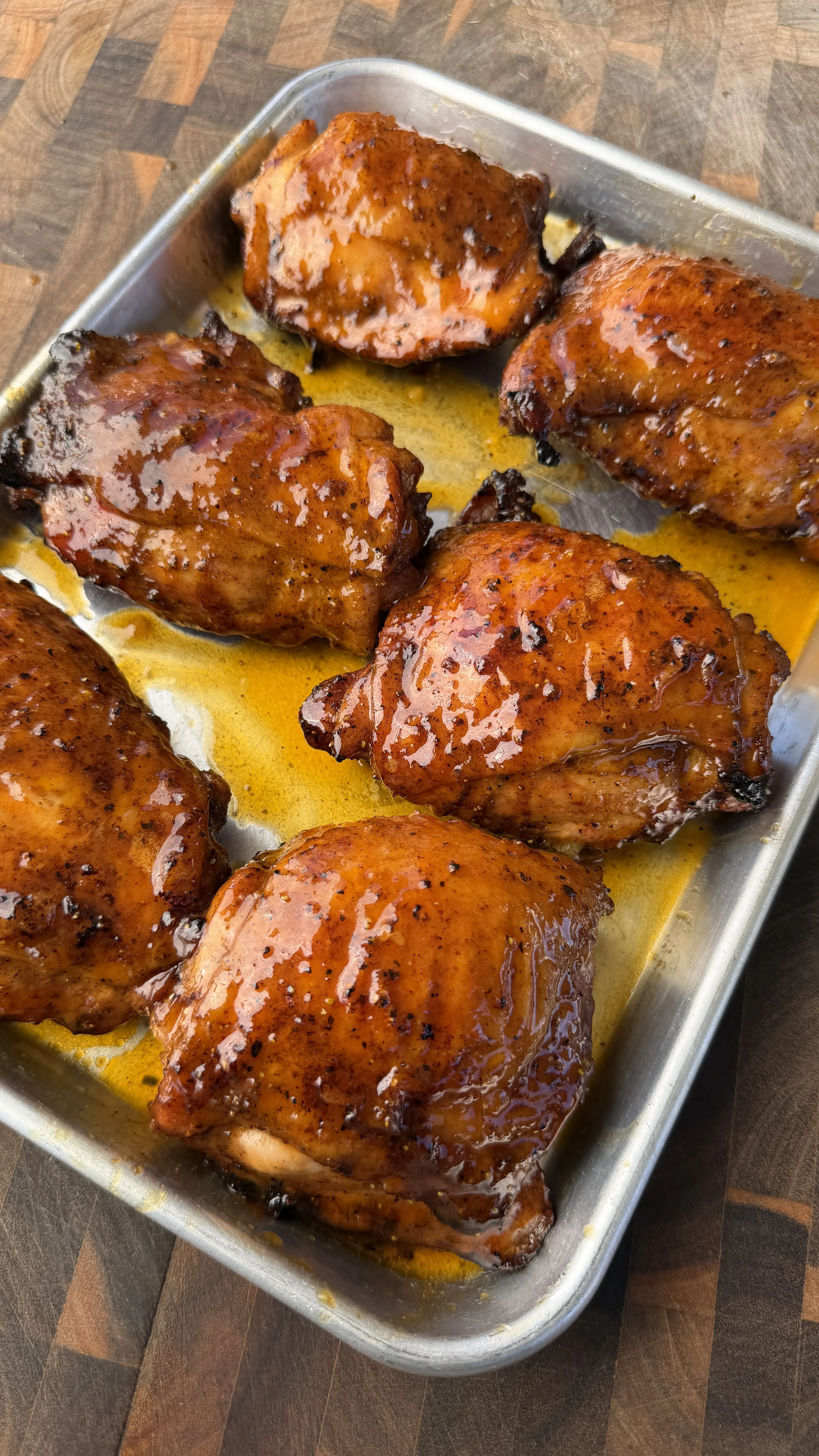
These Cajun lemon pepper honey chicken thighs are bone-in, skin-on smoked chicken thighs rubbed with a Cajun and lemon pepper seasoning paste, cooked at 350°F until the skin crisps and the meat hits 185°F, then basted in a buttery honey lemon pepper glaze in the final minutes. The recipe works on a smoker, grill, or in the oven, and the glaze combines butter, honey, garlic paste, lemon pepper, and hot sauce for a sweet-spicy finish. Three pounds of thighs feed a family or a small crowd, and the 185°F pull temperature is the key to tender, juicy dark meat with rendered, crispy skin. Serve with grilled vegetables, roasted potatoes, or any BBQ side.
Building the Cajun Lemon Pepper Seasoning Paste
Why a Paste Beats a Dry Rub Here
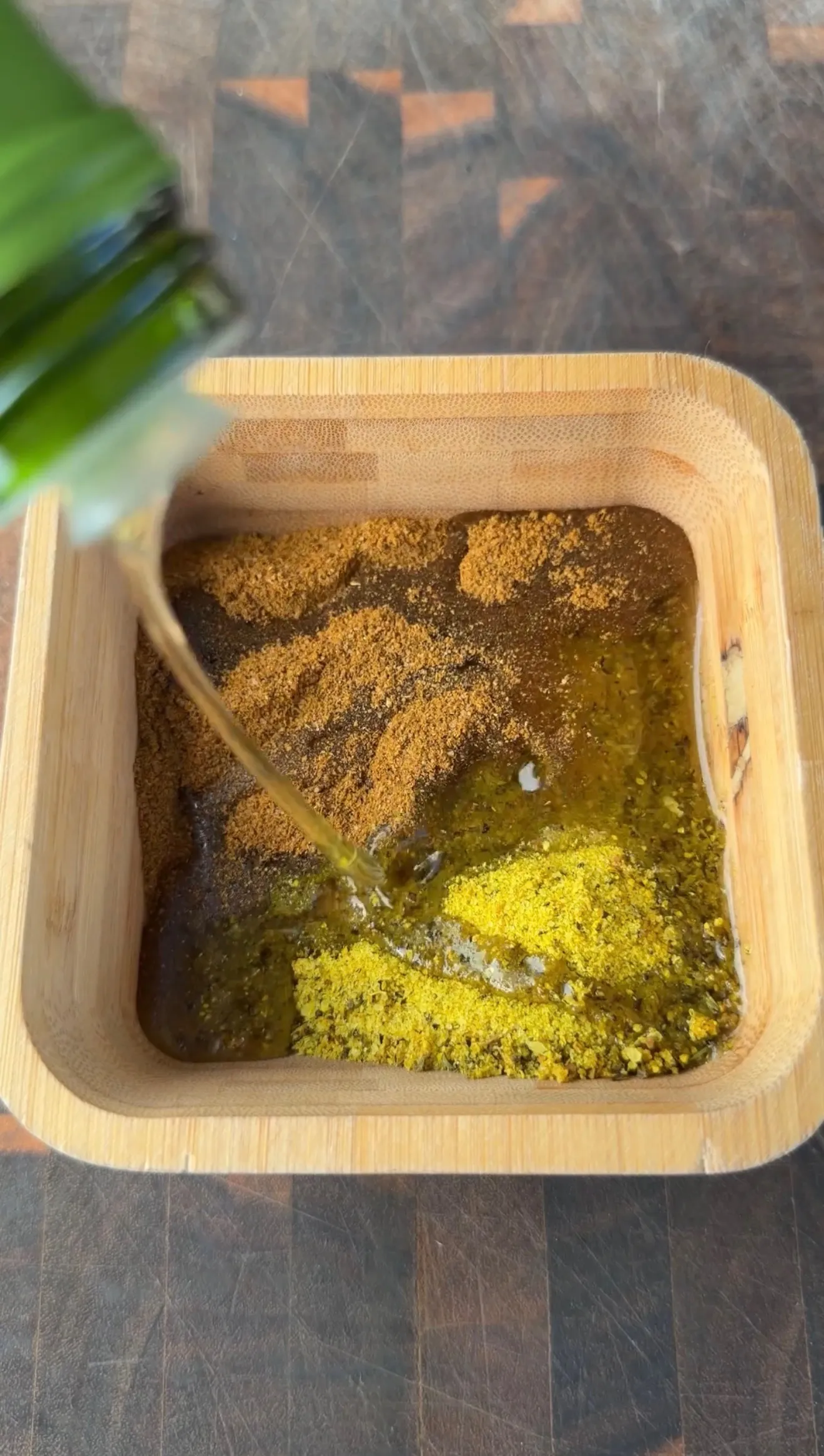
This recipe combines 2 tablespoons each of Cajun seasoning and lemon pepper seasoning with 2 tablespoons of avocado oil to form a paste instead of a dry rub. The oil does three jobs. First, it helps the seasoning adhere evenly to the skin instead of falling off during the cook. Second, the fat carries the fat-soluble flavor compounds in the spices deeper into the skin. Third, the oil promotes browning and helps the skin crisp at 350°F. As a result, the paste delivers more even coverage and better-developed flavor than dry spices alone, especially on the curved, uneven surface of bone-in thighs.
Balancing Cajun Heat With Lemon Pepper Brightness
The two seasonings play off each other deliberately. Cajun seasoning brings earthy heat from cayenne, paprika, and pepper, while lemon pepper adds citrus brightness and a sharper black pepper bite. Together they cover savory, spicy, and bright in one rub. Furthermore, both blends are salt-forward, so this paste seasons the chicken fully without needing extra salt. Taste your specific Cajun blend first, since brands vary widely in heat and salt levels. A milder blend leaves room for the hot sauce in the glaze to carry the spice, while an aggressive Cajun blend may mean dialing the glaze hot sauce back.
Why Bone-In Skin-On Thighs and a 185°F Pull
The Case for Bone-In, Skin-On
Bone-in, skin-on thighs are the right cut for this cook for two structural reasons. The bone insulates the meat and conducts heat evenly, which keeps the thigh juicy through the longer cook a glaze finish requires. The skin renders its fat slowly at 350°F and crisps into the textural contrast that makes the dish. Boneless, skinless thighs cook faster but dry out under the same treatment and offer no crispy skin to glaze. Therefore, the extra few minutes bone-in thighs take is a worthwhile trade for juicier meat and a crispy, glazed exterior.
Why 185°F, Not 165°F
Chicken is food-safe at 165°F, but thighs are best pulled higher, around 185°F. The reason is collagen. Dark meat is full of connective tissue that only breaks down and turns tender in the 175 to 195°F range. Pulling thighs at 165°F leaves them safe but slightly tough and rubbery, while taking them to 185°F renders the collagen into gelatin for the silky, fall-apart texture dark meat is prized for. Consequently, use an instant-read thermometer in the thickest part of the thigh, away from the bone, and pull at 185°F. This is the single most important number in the recipe.
The Honey Lemon Pepper Butter Glaze
How the Glaze Comes Together
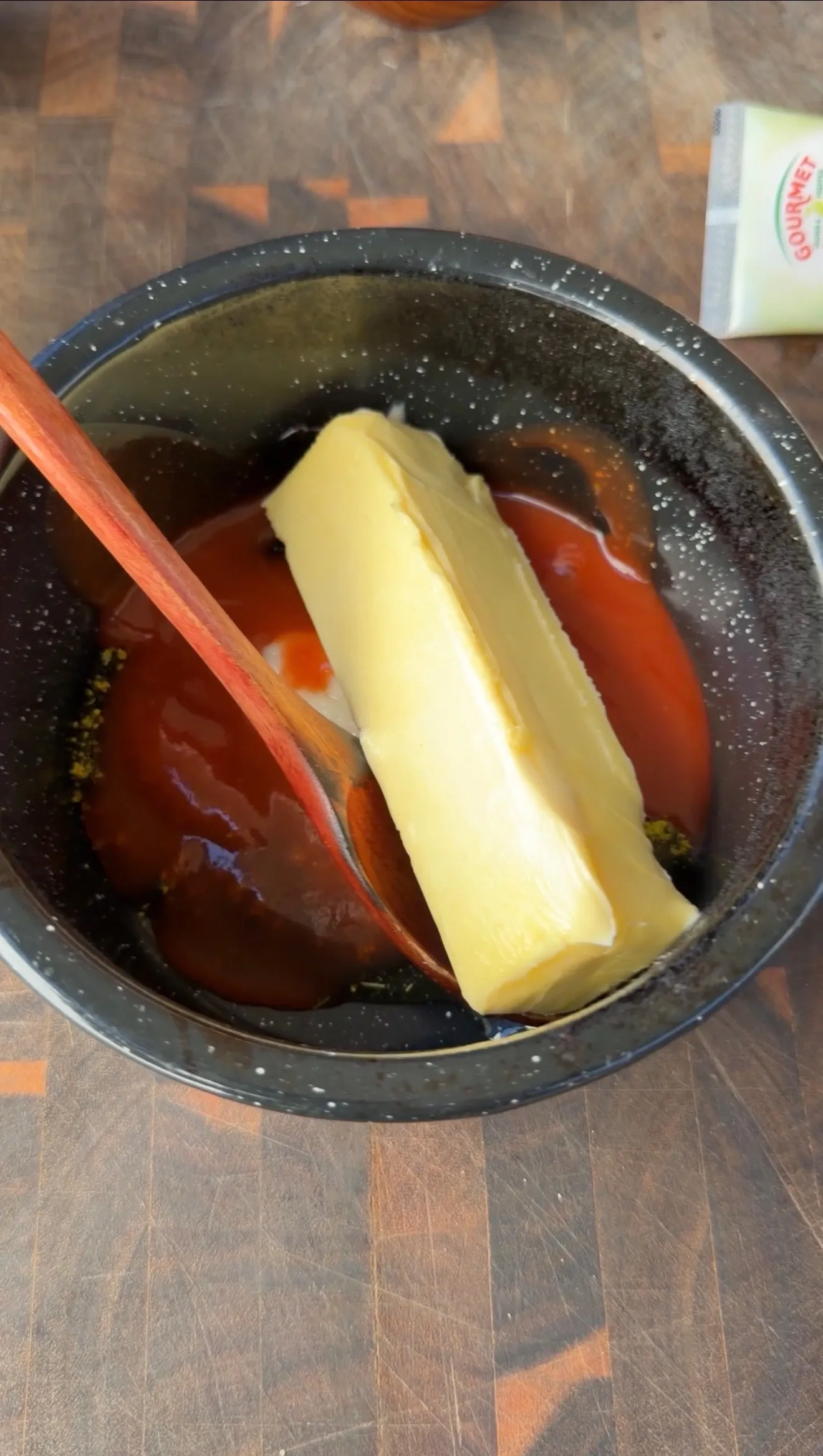
The glaze is built in a small saucepan over medium-low heat: 1 stick of unsalted butter, 3 tablespoons of honey, 1 tablespoon of garlic paste, 1 tablespoon of lemon pepper seasoning, and 1 to 2 tablespoons of your favorite hot sauce. Stir until the butter melts and everything combines into a smooth, glossy sauce. Medium-low heat matters here, since high heat can scorch the honey and break the butter. The result balances four forces: richness from the butter, sweetness from the honey, savory depth from the garlic, and tangy heat from the hot sauce. The lemon pepper ties it back to the rub on the chicken.
Why Unsalted Butter Is Specified
The recipe calls for unsalted butter on purpose. Both the Cajun and lemon pepper seasonings in the rub and the glaze are already salt-forward, and the hot sauce adds more sodium. Using unsalted butter gives you control so the finished glaze does not turn out overly salty. Moreover, unsalted butter is generally fresher since salt acts as a preservative that can mask age in salted butter. If you only have salted butter, it will still work, but taste the glaze before basting and hold back on any additional salt elsewhere in the dish.
Cooking at 350°F for Crispy Skin
Flip Occasionally for Even Rendering
Cook the thighs at 350°F and flip them occasionally throughout the cook rather than leaving them in one position. Flipping serves two purposes. It promotes even cooking so no single side overcooks, and it helps render the fat from both faces of the skin so it crisps evenly. Start skin-side up so the fat begins rendering down through the meat, then flip periodically to expose the skin to direct heat. As a result, you get rendered, crispy skin on both sides rather than one crisp side and one flabby one. This works the same whether you are on a smoker, grill, or in the oven.
Glaze Only in the Final Minutes
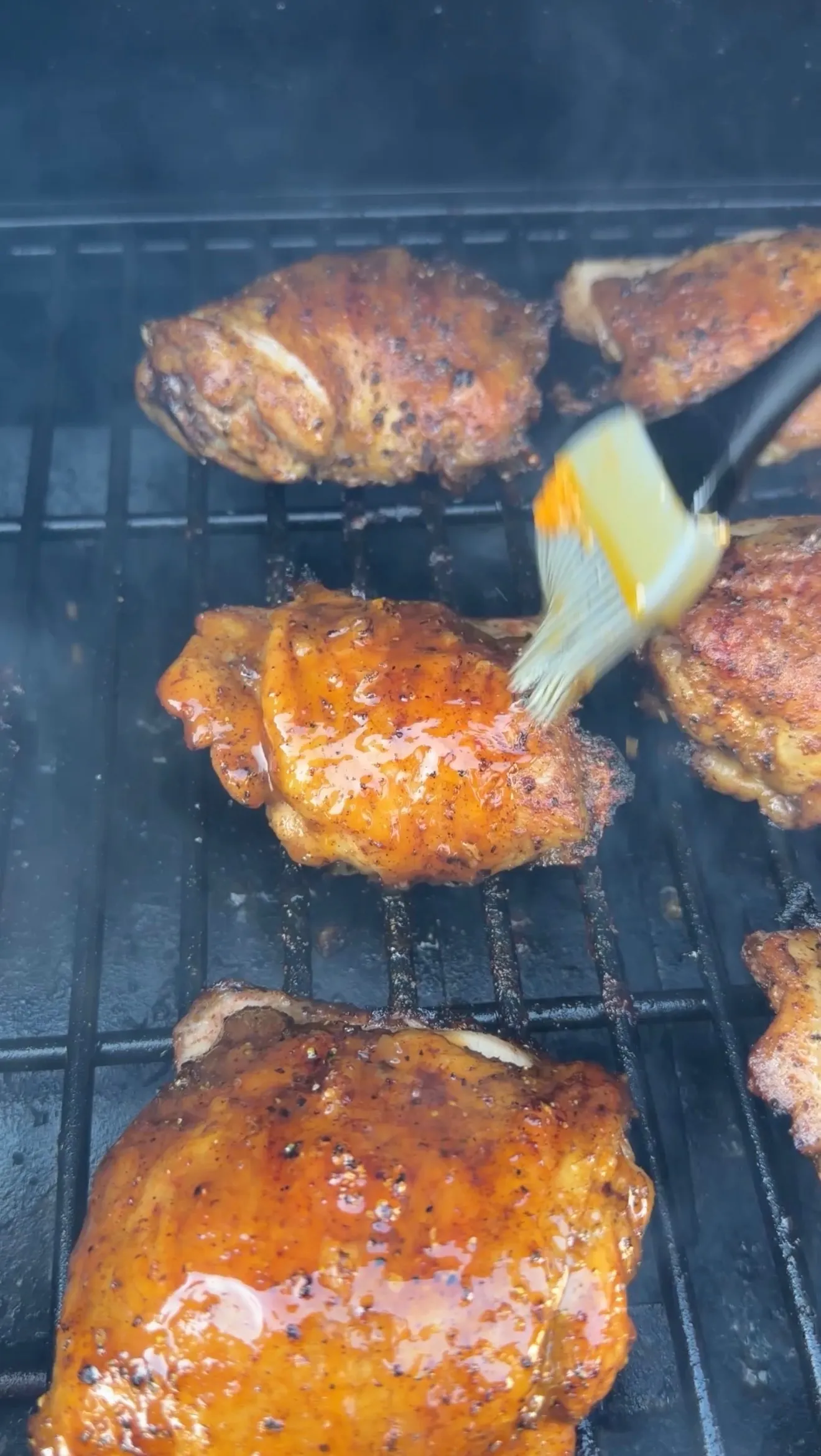
Timing the glaze is critical because of its sugar content. The honey in the glaze burns over direct heat, so basting too early leaves you with scorched, bitter skin before the thighs reach temperature. Wait until the last few minutes of cooking, once the thighs are approaching 185°F, then baste generously and flip to glaze both sides. The brief exposure caramelizes the honey into a glossy, sticky coating without burning it. Consequently, the glaze sets into a lacquered finish in those final minutes rather than carbonizing over the full cook. Reserve a little glaze to brush on after pulling for extra shine.
Resting, Heat Adjustments, and Serving
Rest Before Serving
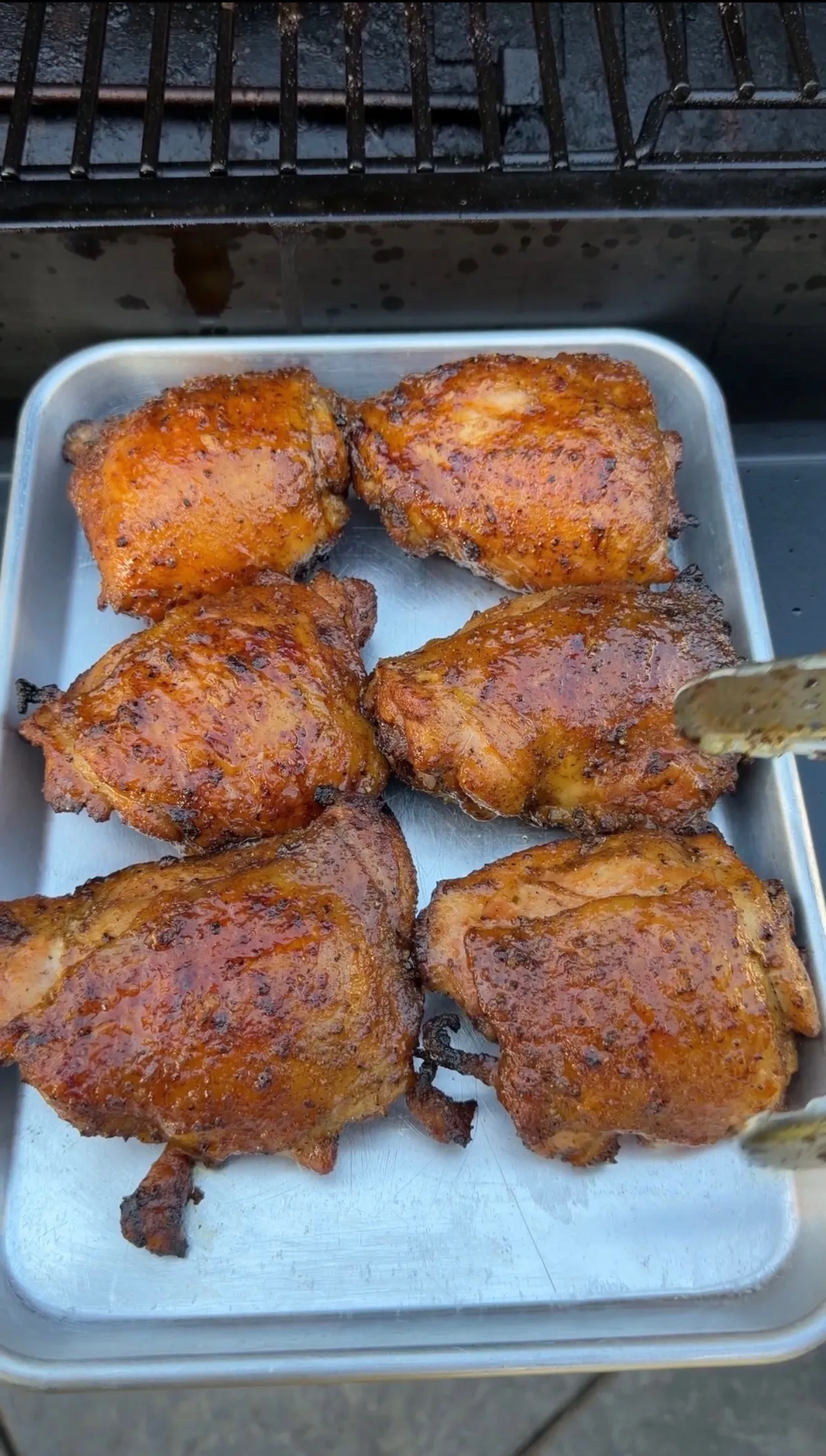
After pulling the thighs at 185°F, let them rest for 5 to 10 minutes before serving. The rest lets the juices redistribute through the meat instead of running out when you cut in, which keeps each thigh moist. The skin stays crisp during this short rest as long as you rest the thighs uncovered. Covering them with foil traps steam and softens the skin you worked to crisp, so leave them open to the air. This rest also lets the glaze set fully into its sticky, glossy final state.
Dialing the Heat and Choosing Sides
The heat level is easy to adjust to taste. For more heat, add extra hot sauce to the glaze or a pinch of cayenne pepper. For a milder version, cut the hot sauce back to 1 tablespoon or use a mild sauce, and lean on a milder Cajun blend in the rub. For sides, the sweet-spicy glaze pairs well with cooling and starchy partners: grilled vegetables, roasted potatoes, cornbread, coleslaw, or rice all balance the bold flavor. As a result, these thighs work as the centerpiece of a full BBQ plate or as a protein over a simple grain bowl.
Step-by-Step: How to Make Cajun Lemon Pepper Honey Chicken Thighs
Step 1: Preheat to 350°F
Preheat your grill, smoker, or oven to 350°F. This moderate temperature renders the thigh skin crisp while cooking the dark meat through to the higher 185°F pull temperature without burning the exterior.
Step 2: Make the Seasoning Paste and Rub the Chicken
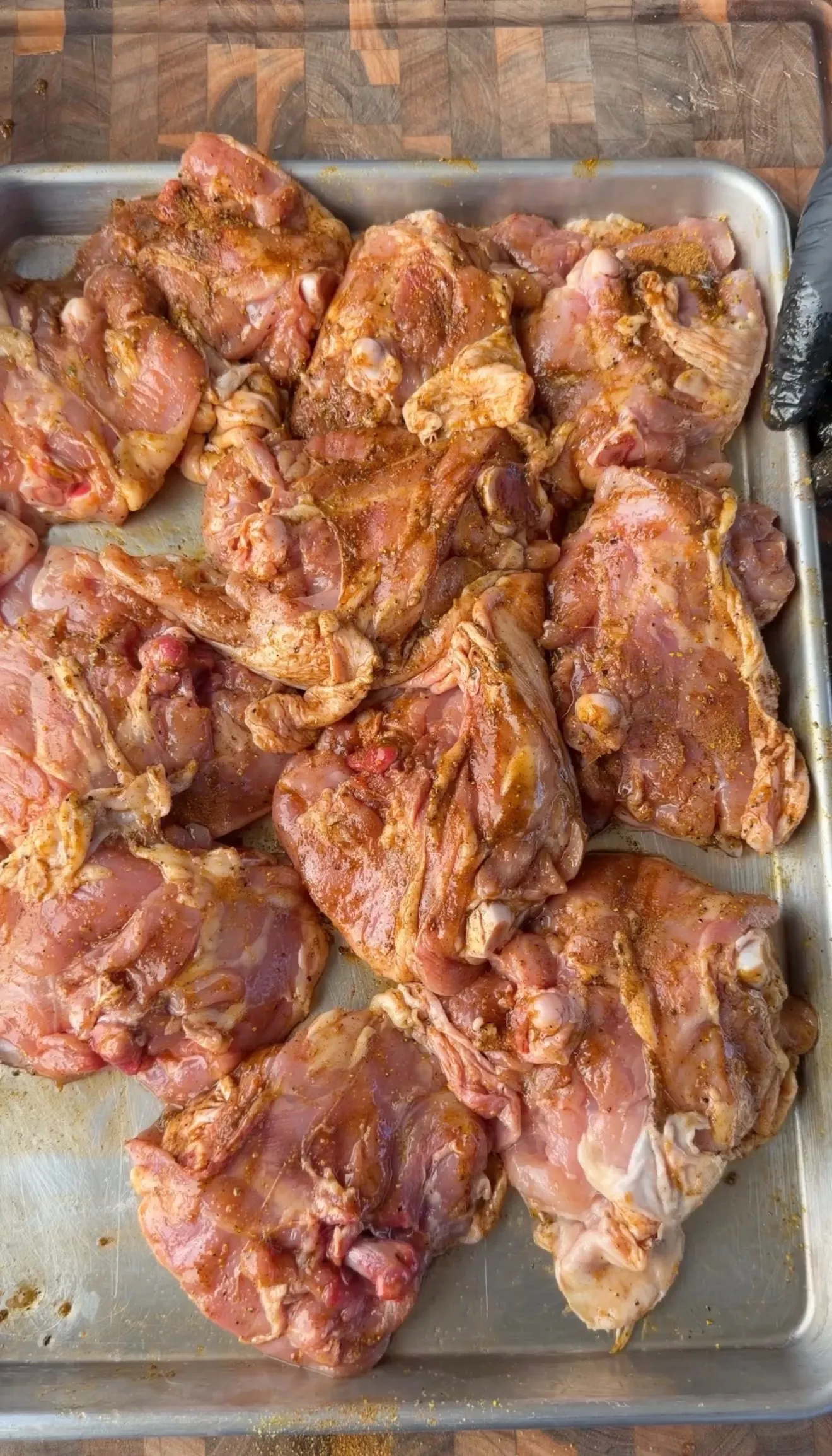
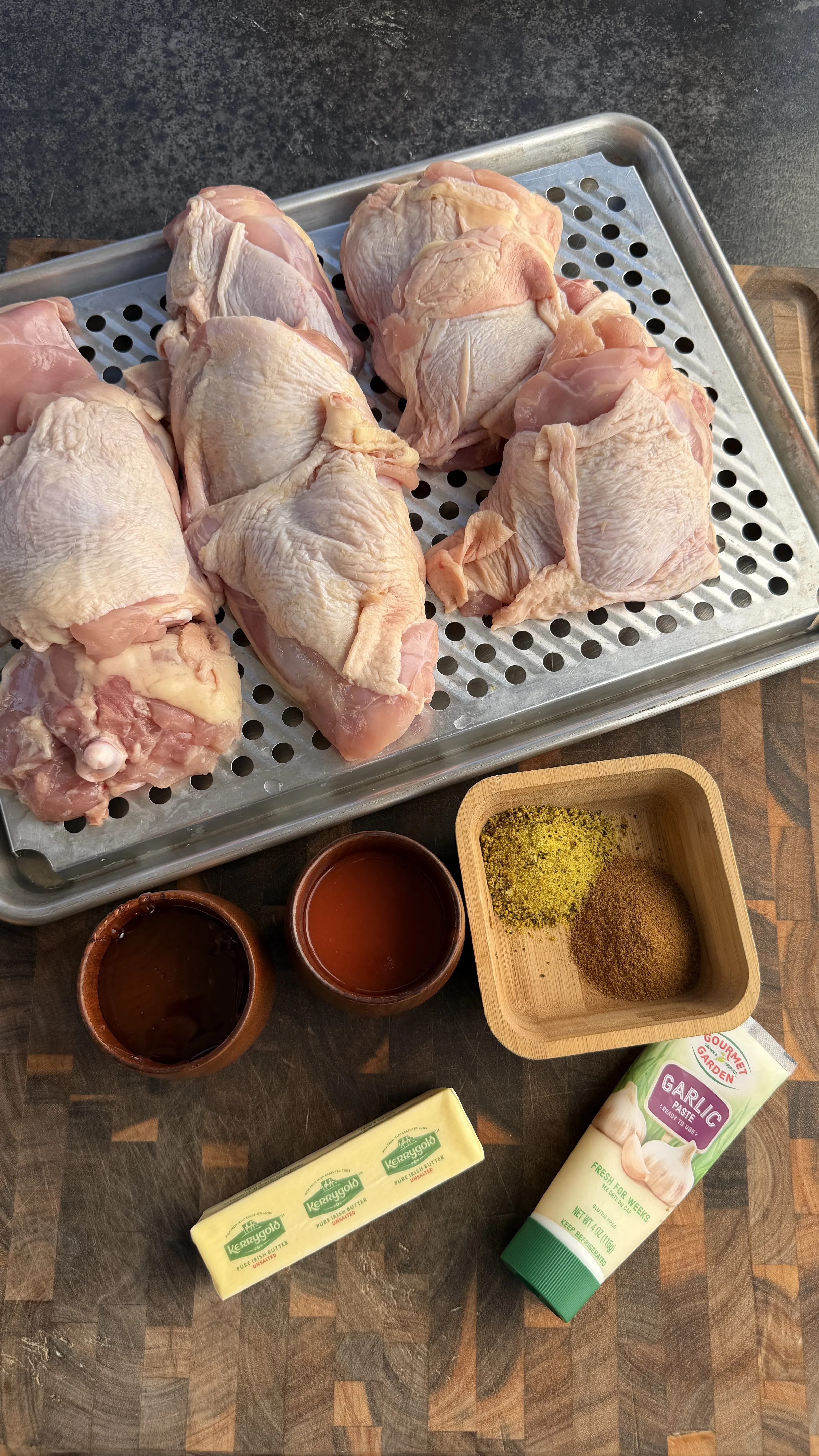
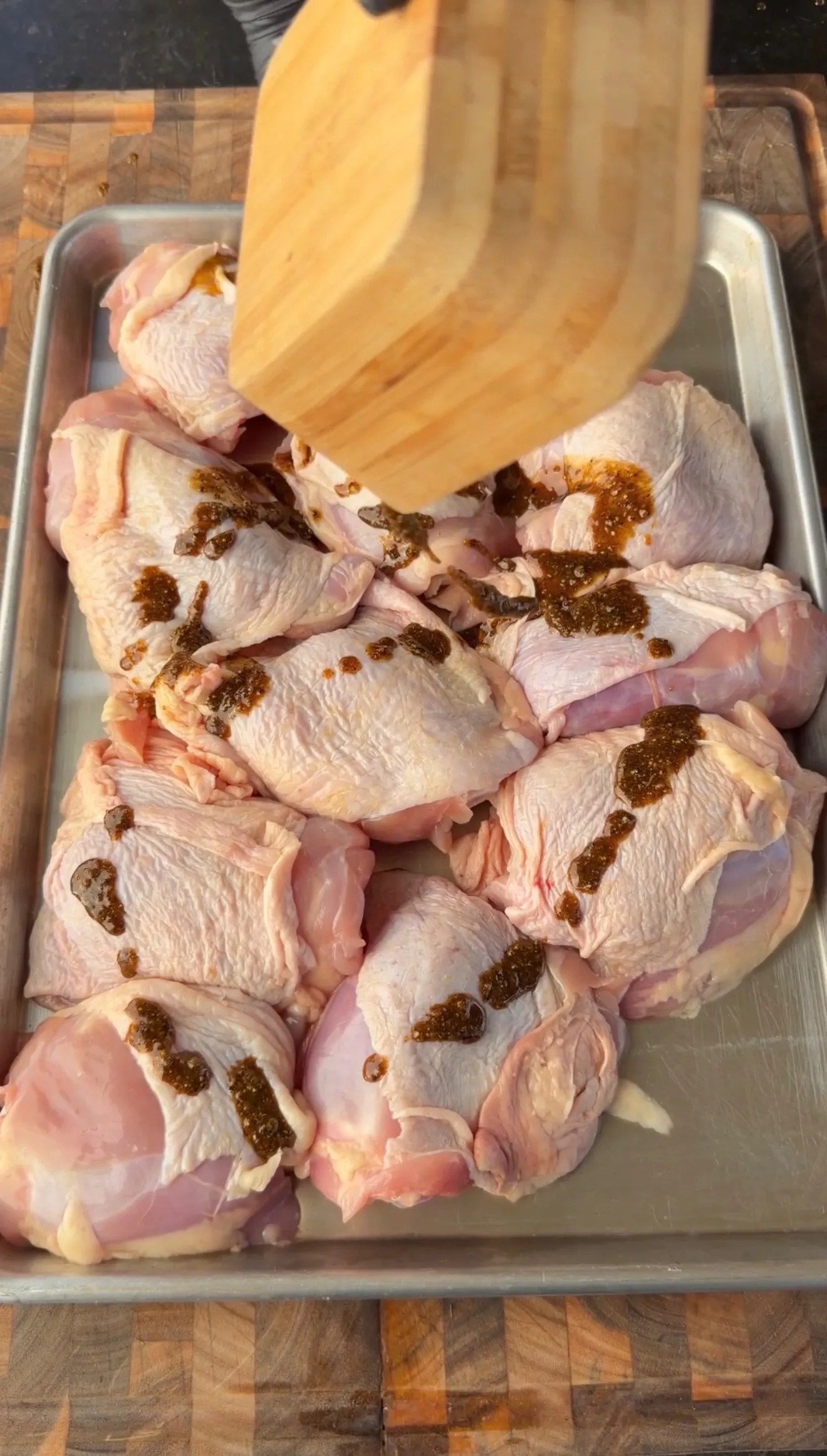
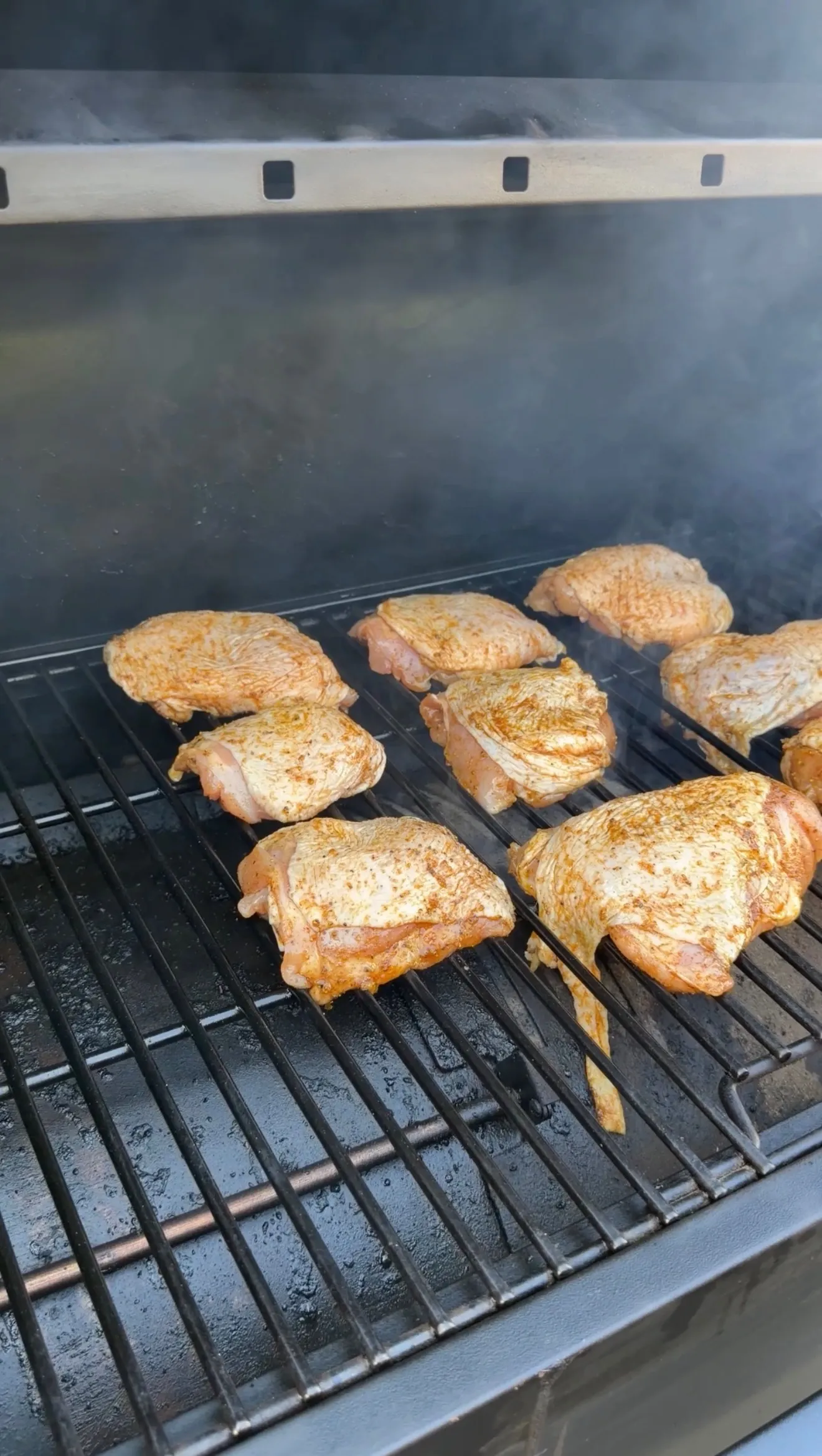
In a small bowl, combine the 2 tablespoons Cajun seasoning, 2 tablespoons lemon pepper seasoning, and 2 tablespoons oil into a paste. Rub the mixture evenly over all sides of the 3 pounds of chicken thighs, working it into the skin and under any loose edges.
Step 3: Start Cooking Skin-Side Up
Place the thighs skin-side up and cook at 350°F. Flip them occasionally throughout the cook to ensure even cooking and to help render and crisp the skin on both sides. Starting skin-side up lets the fat begin rendering down through the meat.
Step 4: Make the Honey Lemon Pepper Glaze
While the chicken cooks, combine the butter, honey, garlic paste, lemon pepper seasoning, and hot sauce in a small saucepan over medium-low heat. Stir until the butter is melted and everything is smooth and well combined. Keep the heat low so the honey does not scorch.
Step 5: Cook to 185°F Internal
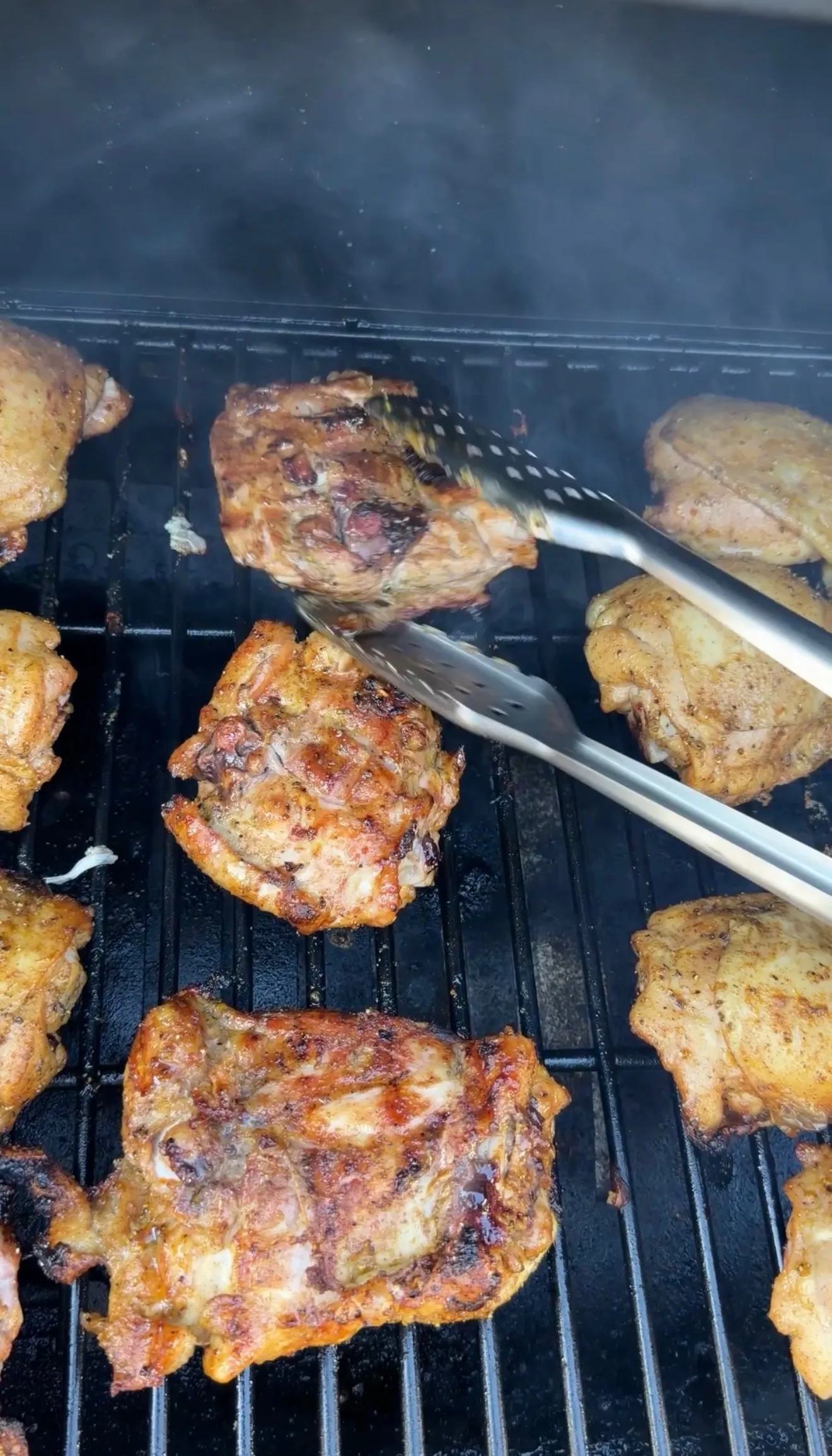
Continue cooking the thighs until they reach an internal temperature of 185°F in the thickest part of the thigh, measured away from the bone. This higher pull temperature is what gives dark meat its tender, juicy texture and fully renders the skin.
Step 6: Glaze in the Final Minutes
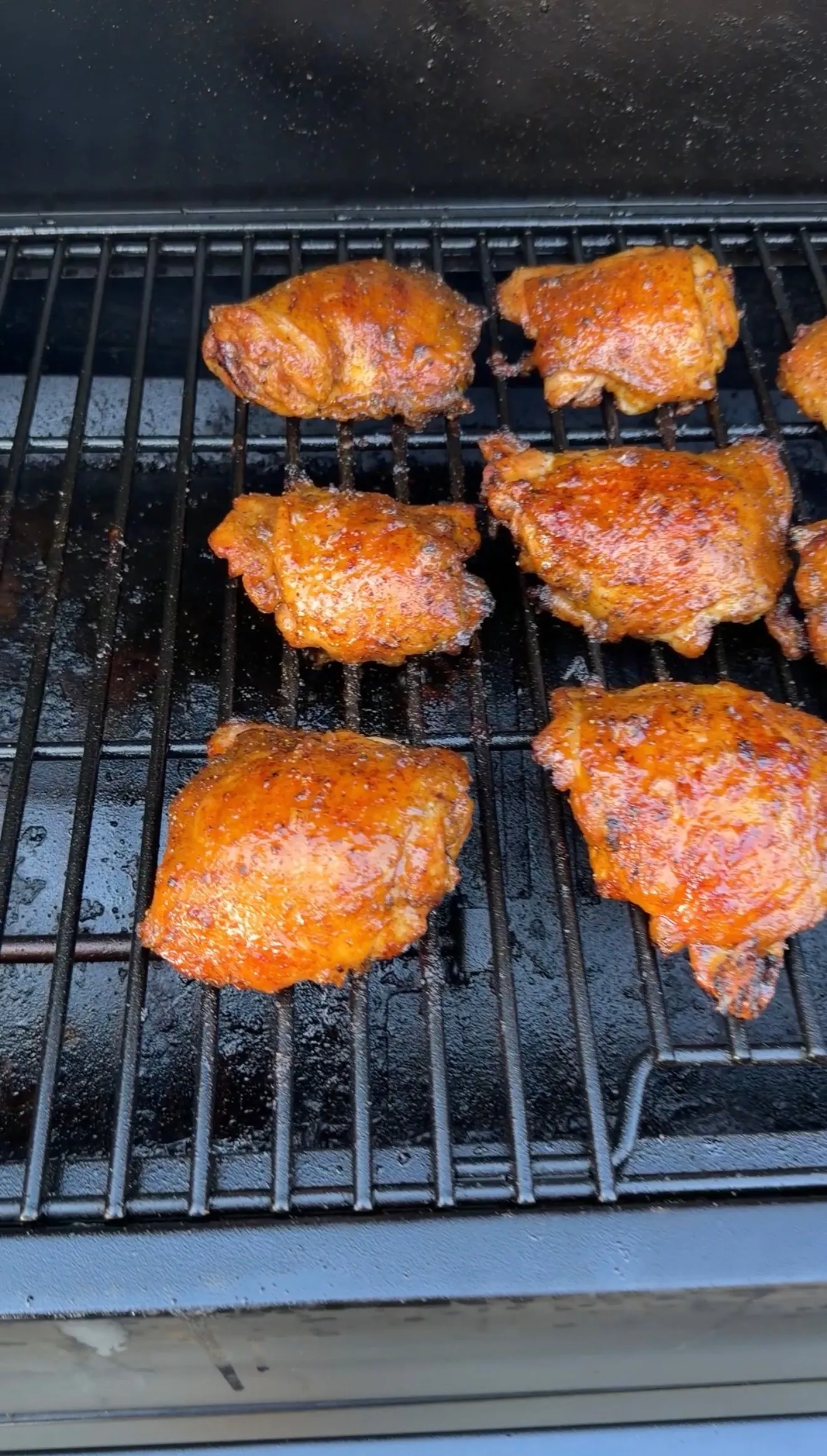
During the last few minutes of cooking, baste the chicken generously with the honey lemon pepper glaze, flipping and glazing both sides. The brief exposure caramelizes the glaze into a glossy, sticky coating without burning the honey.
Step 7: Rest and Serve
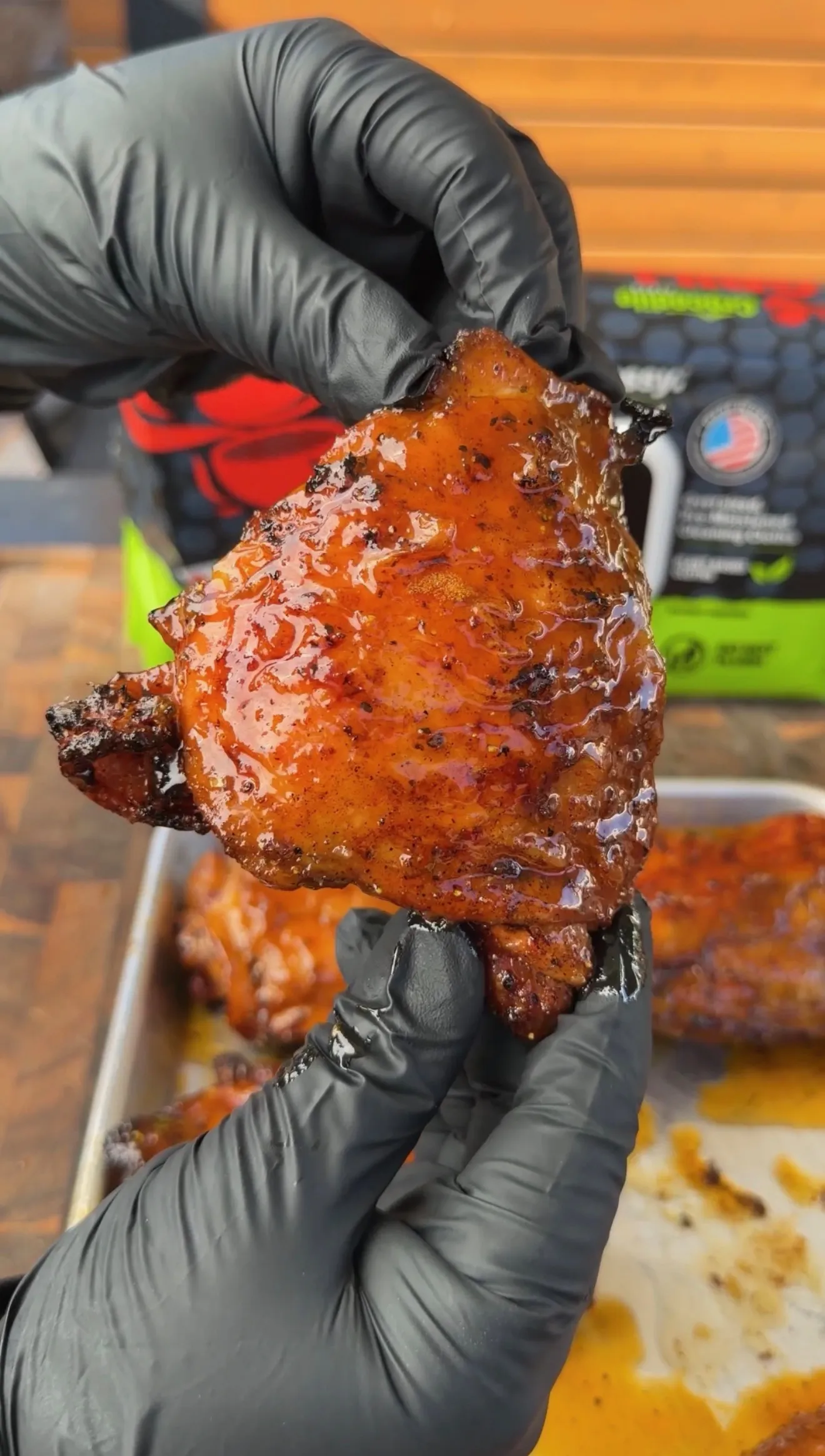
Remove the chicken from the heat and let it rest uncovered for 5 to 10 minutes before serving so the juices redistribute and the skin stays crisp. Serve with grilled vegetables, roasted potatoes, or your favorite BBQ sides.
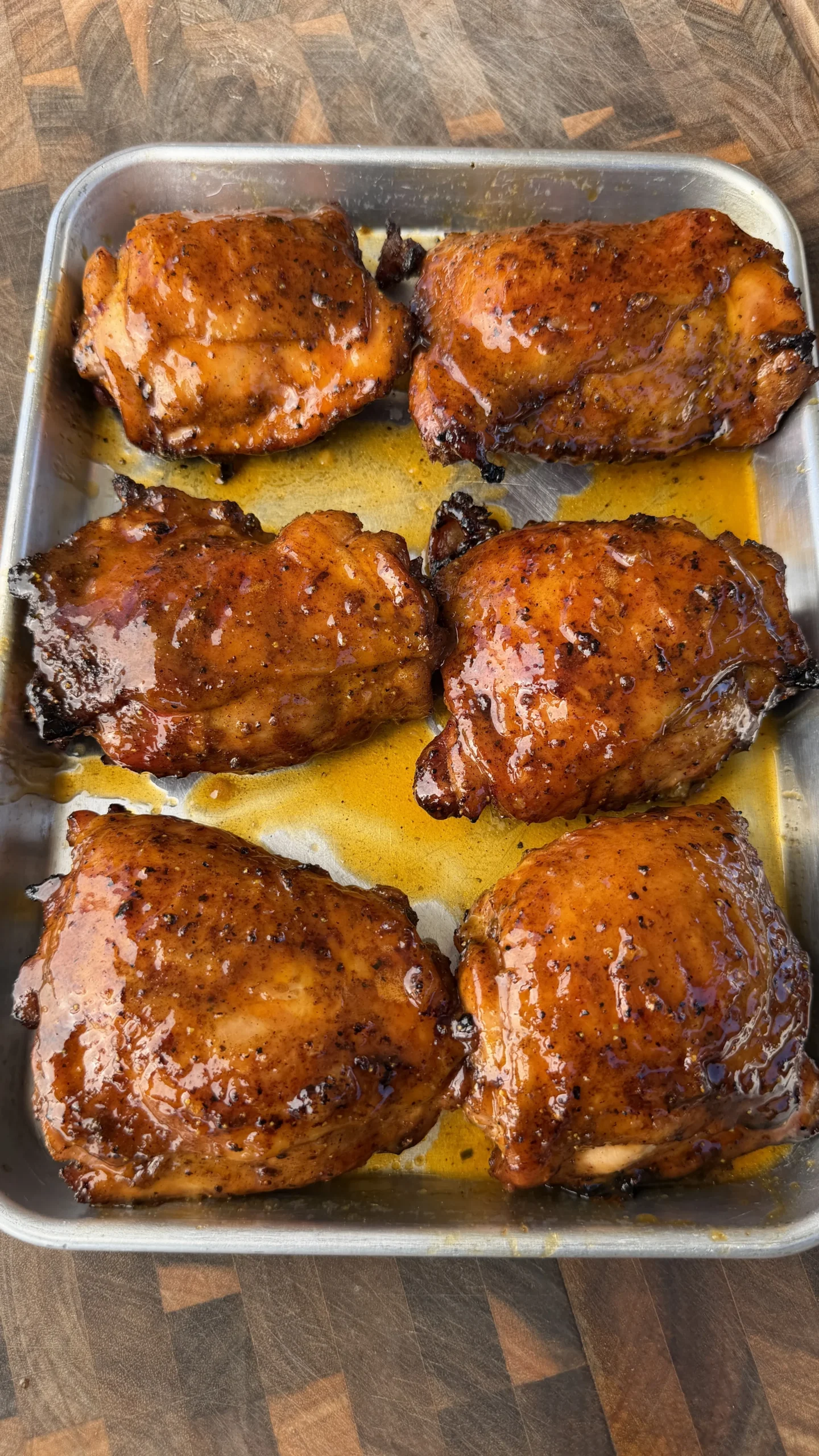
Cajun Lemon Pepper Honey Chicken Thighs
Ingredients
Equipment
Method
- Preheat your grill, smoker, or oven to 350°F.
- In a small bowl, combine the Cajun seasoning, lemon pepper seasoning, and oil to create a seasoning paste. Rub the mixture evenly over all sides of the chicken thighs.
- Place the chicken thighs skin-side up and cook at 350°F. Flip occasionally throughout the cook to ensure even cooking and help develop crispy skin.
- While the chicken cooks, prepare the glaze. In a small saucepan over medium-low heat, combine the butter, honey, garlic paste, lemon pepper seasoning, and hot sauce. Stir until the butter is melted and everything is well combined.
- Continue cooking the chicken until it reaches an internal temperature of 185°F in the thickest part of the thigh.
- During the last few minutes of cooking, baste the chicken generously with the honey lemon pepper glaze, flipping and glazing both sides.
- Remove the chicken from the heat and let it rest uncovered for 5 to 10 minutes before serving. Serve with grilled vegetables, roasted potatoes, or your favorite BBQ sides.
Notes
Tried this recipe?
Let us know how it was!Cajun Lemon Pepper Honey Chicken Thighs — FAQ
Everything you need to nail the crispy skin, the 185°F pull, and the glaze.
Setup & Basics
165°F is the food-safe minimum, but it’s the wrong target for thighs. Dark meat is full of connective tissue and collagen that only breaks down in the 175 to 195°F range. Pulled at 165°F, thighs are safe but come out slightly tough, chewy, and rubbery. Taken to 185°F, the collagen renders into gelatin and the meat turns silky, juicy, and nearly fall-apart tender. This is the opposite of chicken breast, where higher temperatures dry the meat out. Because thighs are forgiving dark meat, you can’t really overcook them in this window, so 185°F is the sweet spot for both texture and fully rendered, crispy skin.
You can, with adjustments and a trade-off. Boneless, skinless thighs cook faster (watch for the 185°F pull, which may come 10 to 15 minutes sooner) but they dry out more easily and give up the crispy skin that makes this dish, so reduce the cook and watch them closely. Boneless, skin-on is a good middle ground if you can find it: faster cooking but still crispy skin to glaze. The recipe is built for bone-in, skin-on because the bone keeps the meat juicy through the longer cook and the skin renders into crispy texture. If you go boneless and skinless, the flavor still works, but expect tender glazed chicken rather than the crispy-skinned version in the photos.
All three work at 350°F to the same 185°F pull; the difference is flavor and skin. Smoker (pellet grill): adds smoke flavor and renders skin well over indirect heat, usually the longest cook of the three. This is what the photos show. Grill: fastest and gives the most direct char, but watch for flare-ups once you glaze since the honey drips and flames; use a two-zone setup and glaze over the cooler side. Oven: the most hands-off and consistent, but no smoke flavor and slightly less crisp skin; finish under the broiler for 2 to 3 minutes after glazing to crisp and caramelize. Whichever you choose, flip occasionally and save the glaze for the final minutes.
Heat comes from two places: the Cajun seasoning in the rub and the hot sauce in the glaze, so adjust both. Milder: Use a mild Cajun blend, cut the glaze hot sauce to 1 tablespoon or skip it, and the honey-butter-lemon base stays sweet and bright with gentle background warmth. Spicier: Use the full 2 tablespoons of hot sauce, add a pinch of cayenne to the glaze, or choose a hotter Cajun blend for the rub. Taste your specific Cajun seasoning before you start, since brands range from mild to aggressive in both heat and salt. The glaze is the easiest lever to pull at the end, so build the rub conservatively and dial the final heat through the hot sauce.
Technique & Troubleshooting
Rubbery skin almost always means the fat didn’t fully render. The main causes: cooking temperature too low (under 350°F doesn’t render fat fast enough; hold the target), glazing too early (the sugary glaze coats the skin before it crisps and keeps it soft), and not flipping (one side never gets direct heat). Two more fixes: pat the thighs dry before applying the seasoning paste so surface moisture doesn’t steam the skin, and take them to the full 185°F, since the skin finishes rendering in the last stretch of the cook. If the meat is at temperature but the skin is still soft, finish over higher direct heat or under a broiler for 2 to 3 minutes, watching closely so the glaze doesn’t burn.
Yes. You can season the thighs with the paste up to 24 hours ahead and refrigerate them uncovered on a rack, which actually helps dry the skin for better crisping. The glaze can be made ahead and gently rewarmed (it solidifies as the butter cools). Reheating leftovers: skip the microwave, which turns the skin rubbery. Reheat in a 350°F oven or air fryer for 8 to 12 minutes until warmed through and the skin re-crisps. Store leftovers refrigerated up to 3 to 4 days. Leftover thigh meat pulled off the bone is excellent in tacos, grain bowls, or sandwiches, and a fresh brush of warm glaze revives the flavor.
Ready to Level Up?
Take your backyard cooking from good to legendary.
This is where I keep all my most-used smokers, knives, and favorite cooking tools.
Shop My Gear CollectionExplore More Recipes
Find more diverse flavors at CWFeats.com