
Honey Lemon Pepper Wings
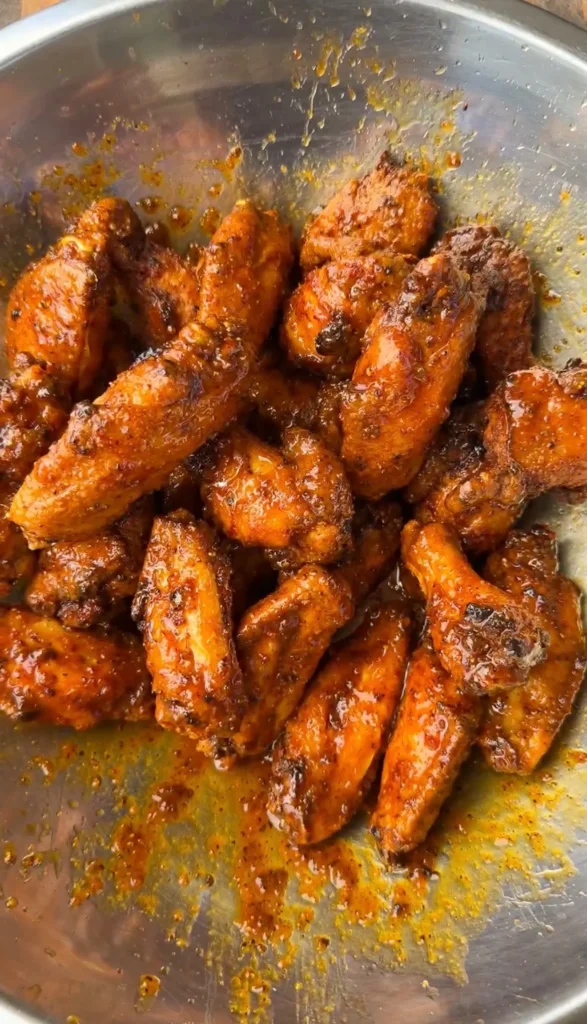
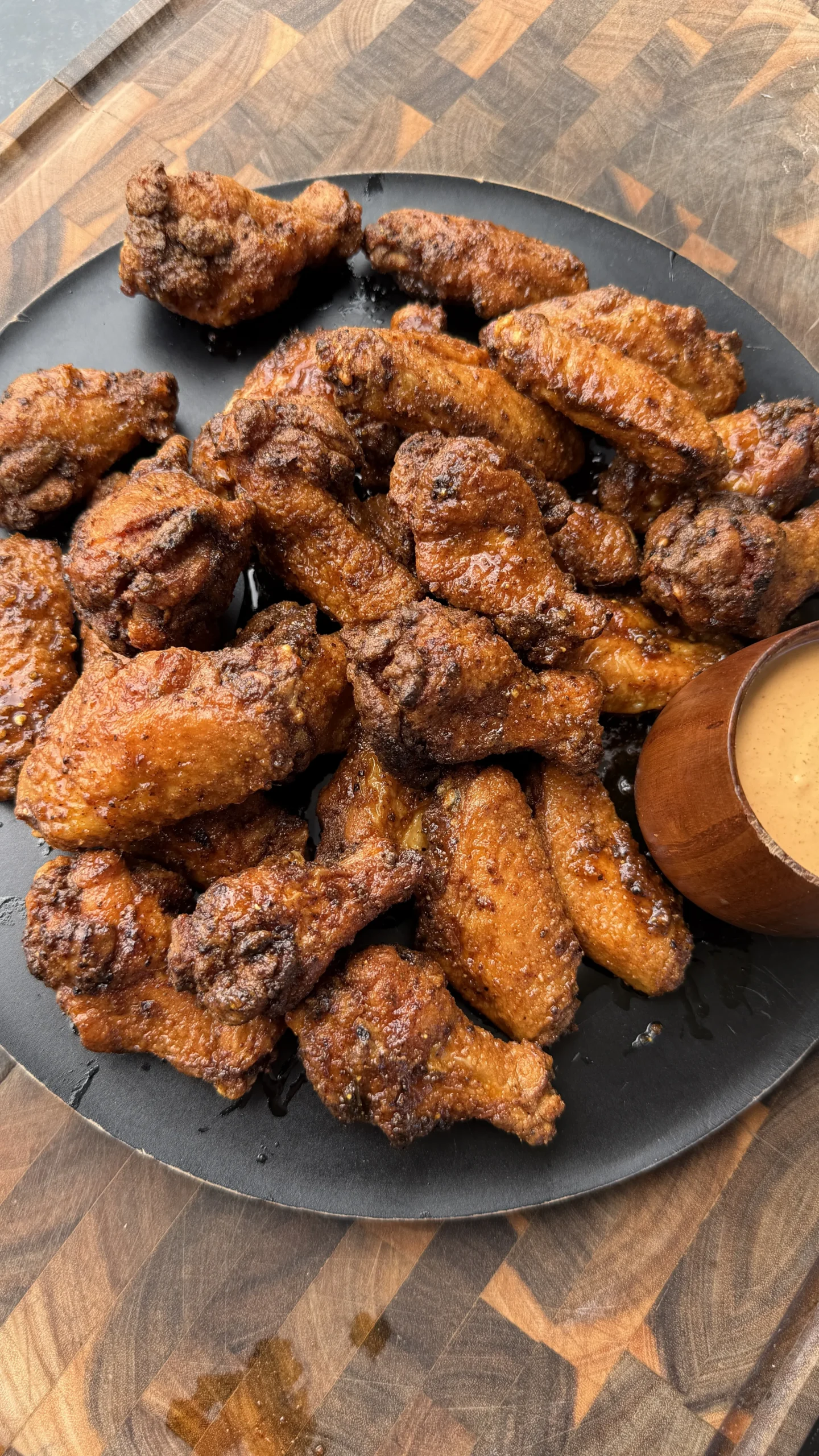
These crispy fried honey lemon pepper wings get double-fried at 350°F for an ultra-crunchy shell, then tossed in a sweet, tangy honey lemon pepper butter sauce that sticks without softening the crust. The 3 pounds of split wings get seasoned with lemon pepper, dredged in a flour-cornstarch blend, and rested so the coating sets before frying. A first 5-minute fry cooks them through; a second 4-to-5-minute fry drives the crunch deep. The finishing sauce combines honey, butter, fresh lemon zest and juice, lemon pepper, and cracked black pepper into a glossy glaze. The result is the rare fried wing that stays crispy under sauce, finished with a final hit of zest and lemon pepper for a bright pop. The recipe serves 4 to 6 as a main or game day centerpiece.
Why the Double Fry Is the Whole Game
What the First Fry Actually Does
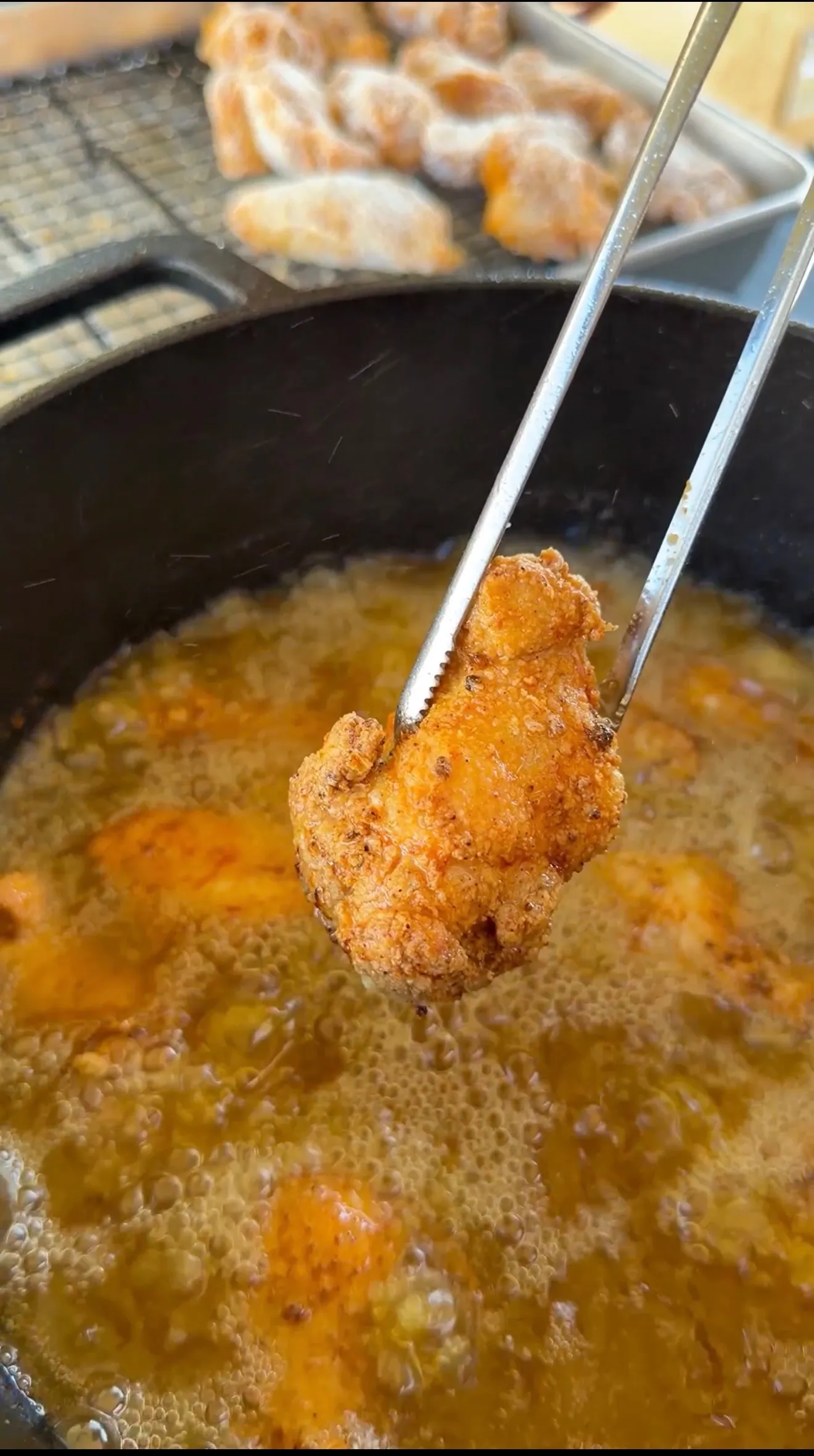
The double-fry method is the single technique that separates these wings from a soggy disappointment. The first fry at 350°F for about 5 minutes is a cooking fry, not a crisping one. Its job is to cook the wing through to the bone and render out the surface moisture in the skin and coating. As a result, the wing comes out pale and cooked but not yet crunchy. Pulling the wings here and letting them rest is essential: the brief rest lets the interior steam escape and the coating firm up before the second fry. Skipping the rest traps moisture that fights the crunch.
How the Second Fry Locks In the Crunch
The second fry, another 4 to 5 minutes until deep golden, is where the magic happens. With the moisture already driven out by the first fry, the second pass in the hot oil dehydrates the coating further and sets it into a hard, glassy crust. Consequently, the structure becomes rigid enough to survive a toss in sauce without going limp. Furthermore, the double fry produces a noticeably deeper golden color and a louder crunch than any single fry can achieve. This is the same principle behind twice-fried french fries and Korean fried chicken, and it works exactly the same way on wings.
The Flour and Cornstarch Dredge Explained
Why Cornstarch Belongs in the Coating
The dredge runs 1.5 cups of all-purpose flour to 1/2 cup of cornstarch, and that cornstarch ratio is deliberate. Flour alone fries up bready and can turn tough, while cornstarch fries into a lighter, glassier, more brittle crust. The blend gives you the structure of flour with the delicate shatter of cornstarch. Moreover, cornstarch browns more evenly and resists absorbing oil, which keeps the finished wing crisp rather than greasy. The optional 1/2 teaspoon of baking powder takes it one step further: it raises the surface pH and creates microscopic bubbles in the coating, producing an even crispier, more blistered texture.
The 10-Minute Rest Before Frying
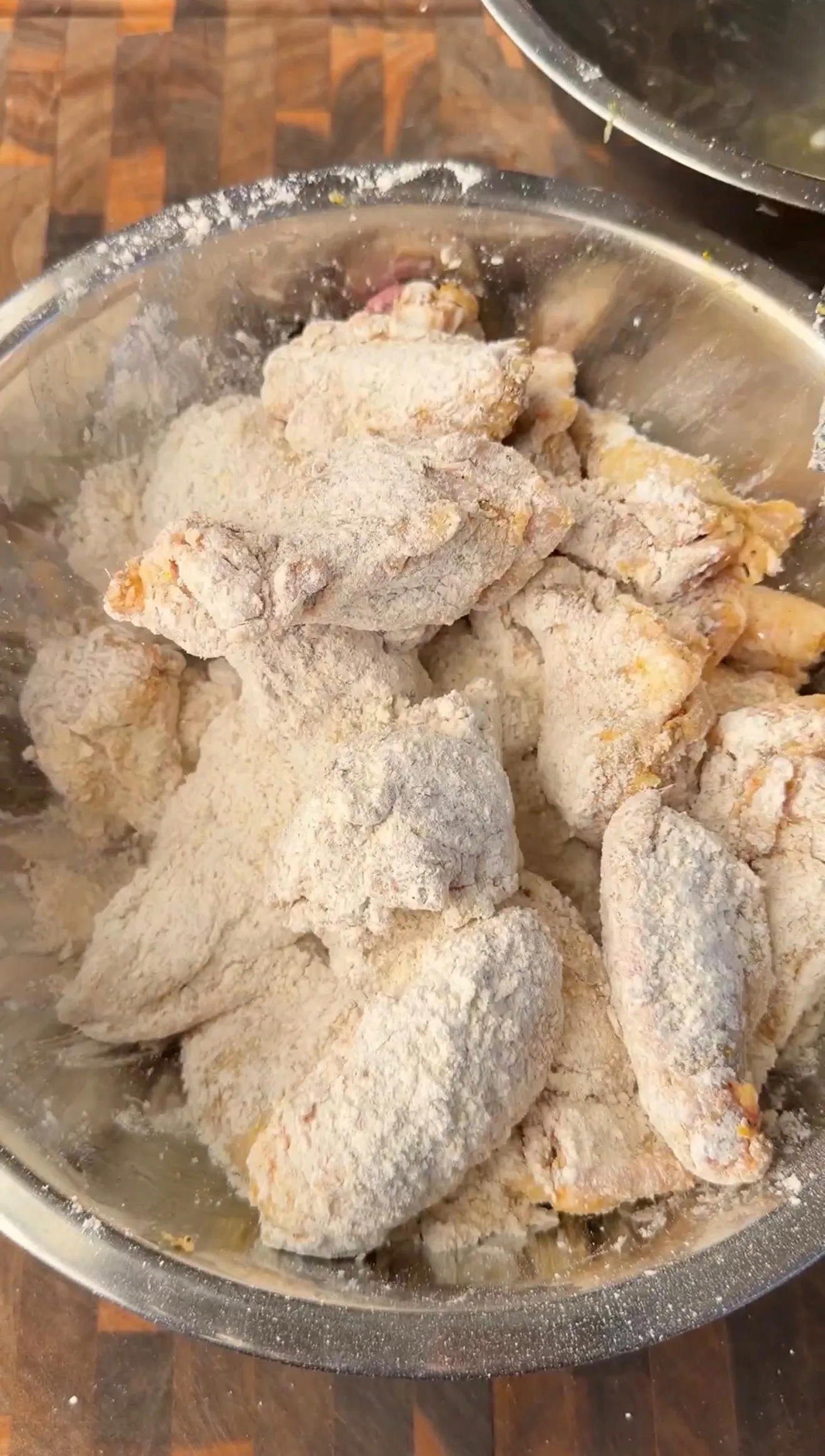
After coating the wings in the seasoned dredge, place them on a wire rack and let them rest for about 10 minutes. This rest is not optional filler. During those 10 minutes, the flour mixture hydrates against the damp, oiled surface of the wings and forms a paste-like layer that grips the skin. As a result, the coating bonds tightly instead of flaking off in the fryer. Additionally, the seasoned flour blend (lemon pepper, garlic powder, onion powder, paprika, and salt) gets a head start melding into the surface so the crust carries flavor, not just crunch.
Building the Honey Lemon Pepper Butter Sauce
Why Butter and Honey Need Each Other
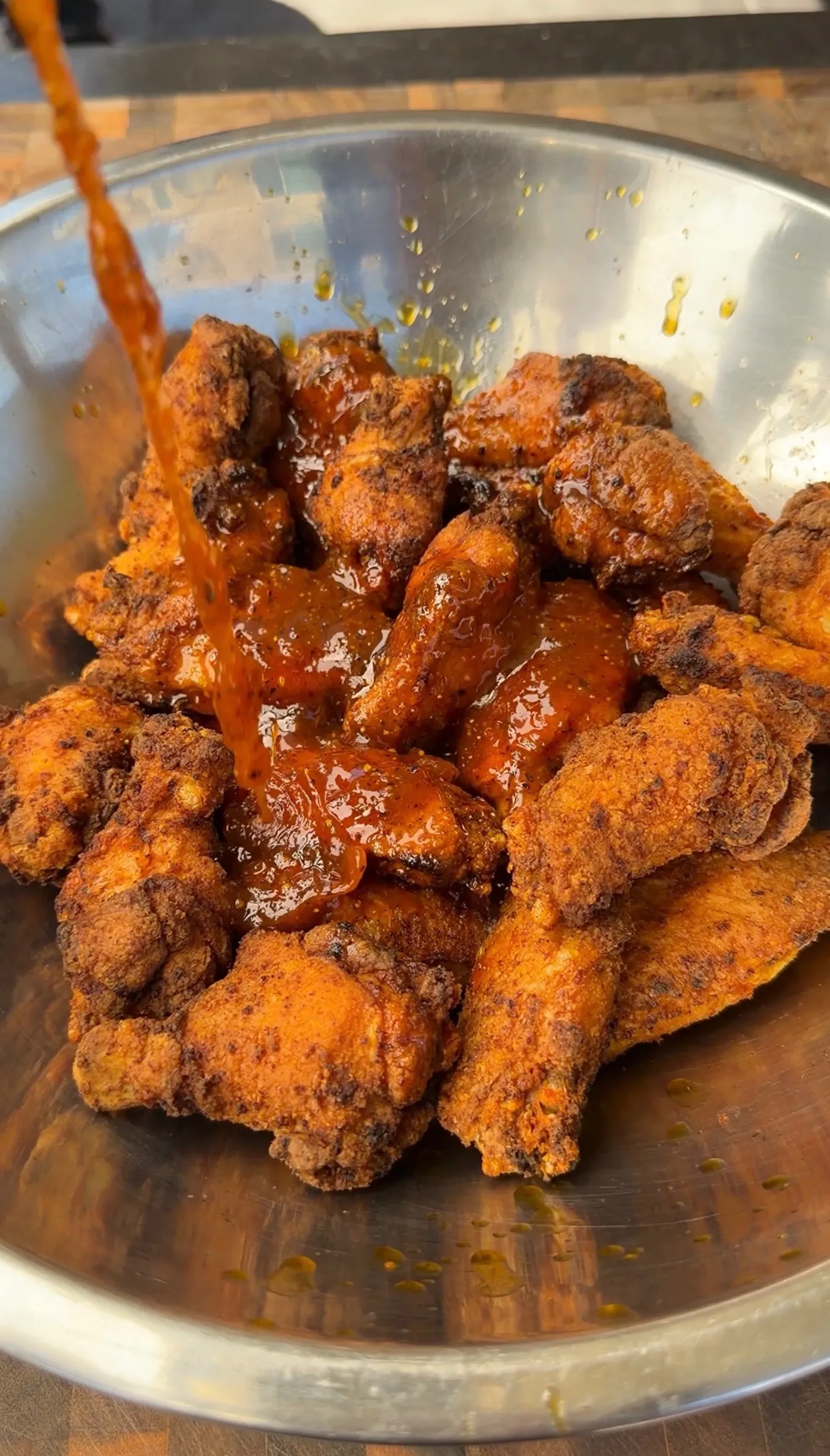
The sauce starts with 4 tablespoons of butter melted over medium heat, then builds in 1/2 cup of honey, the zest of 2 lemons, the juice of 1 lemon, lemon pepper seasoning, and cracked black pepper. The butter and honey play complementary roles. The honey brings the sweetness and the sticky body that lets the glaze cling to the crust, while the butter adds richness and emulsifies the sauce into a glossy, pourable consistency. Together they create a glaze that coats evenly instead of sliding off. A simmer of just 1 to 2 minutes is all it takes to bring everything smooth and glossy. Over-simmering thickens the honey toward candy, so pull it early.
Fresh Lemon Zest Is the Secret Weapon
The zest of 2 whole lemons is what makes this sauce taste like fresh lemon rather than generic citrus. The zest holds the lemon’s aromatic oils, which carry far more bright lemon flavor than juice alone. The juice of 1 lemon adds the tart acidity that cuts the honey’s sweetness and keeps the glaze from tasting flat. Combined with the lemon pepper seasoning in both the sauce and as a finishing sprinkle, the wings get three layers of lemon: zest, juice, and seasoning. For those who want heat, the optional splash of hot sauce adds a tangy background burn that plays well against the sweet honey.
Frying Temperature and Batch Control
Why 350°F Is the Target
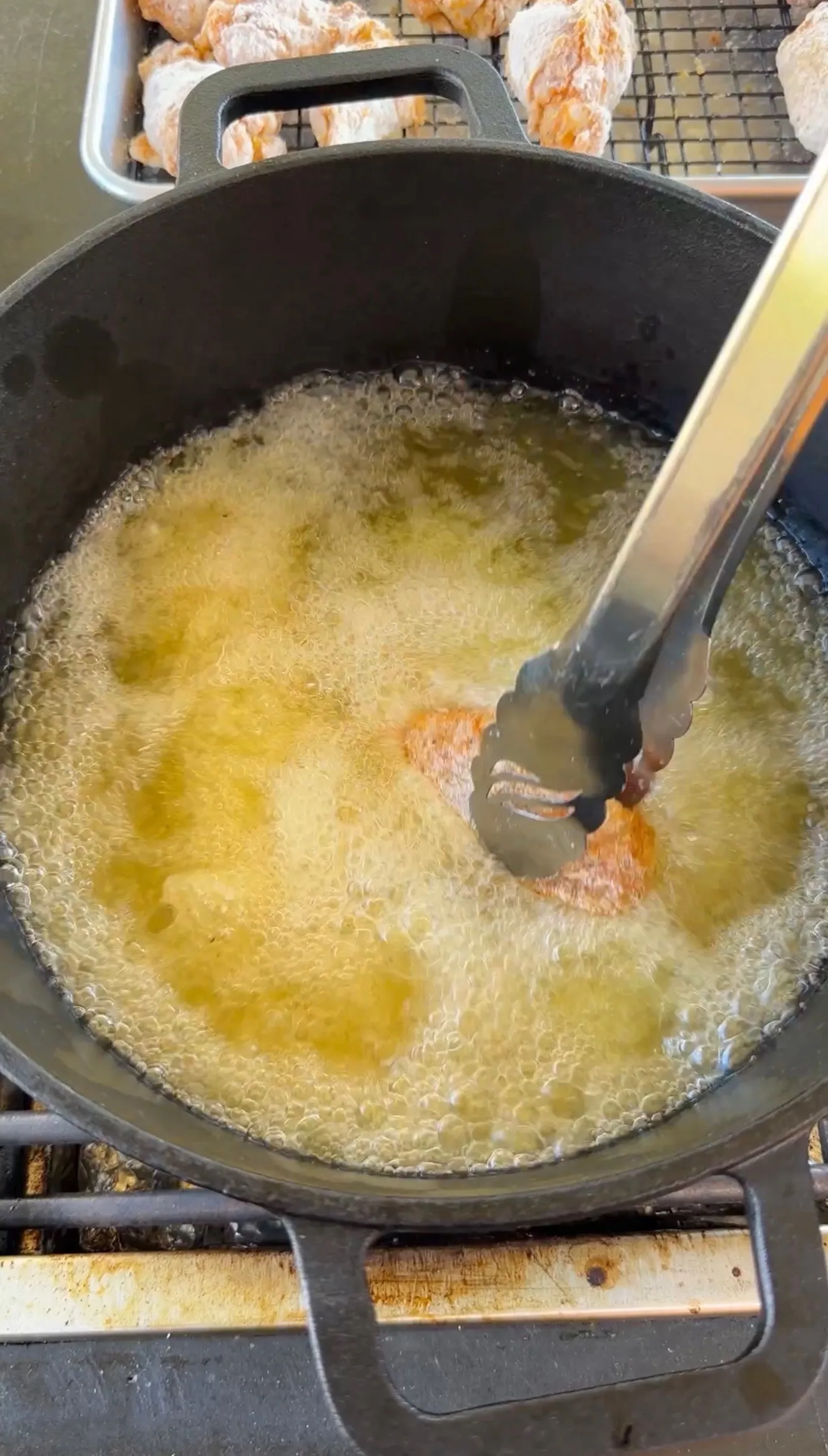
Hold the oil at 350°F for both fries. At this temperature, the coating crisps and browns at the right pace while the chicken cooks through without burning the exterior. Too hot (above 375°F) browns the crust before the inside finishes, leaving raw spots near the bone. Too cool (below 325°F) lets the wings absorb oil and turn greasy instead of crisp. A clip-on or instant-read thermometer is the only reliable way to hold the target, since the oil temperature drops every time you add cold wings. Therefore, let the oil recover back to 350°F between batches before adding the next round.
Don’t Overcrowd the Pot
Fry the wings in batches and resist the urge to dump them all in at once. Overcrowding the pot causes two problems. First, too many cold wings crash the oil temperature, which leads directly to the greasy, soft result you are trying to avoid. Second, crowded wings stick together and steam each other instead of frying on all sides. As a general guide, add only enough wings to cover the oil surface in a single uncrowded layer with room to move. Consequently, frying in two or three batches takes a few extra minutes but is the difference between crispy and disappointing.
Layering Flavor From Season to Finish
Three Stages of Lemon Pepper
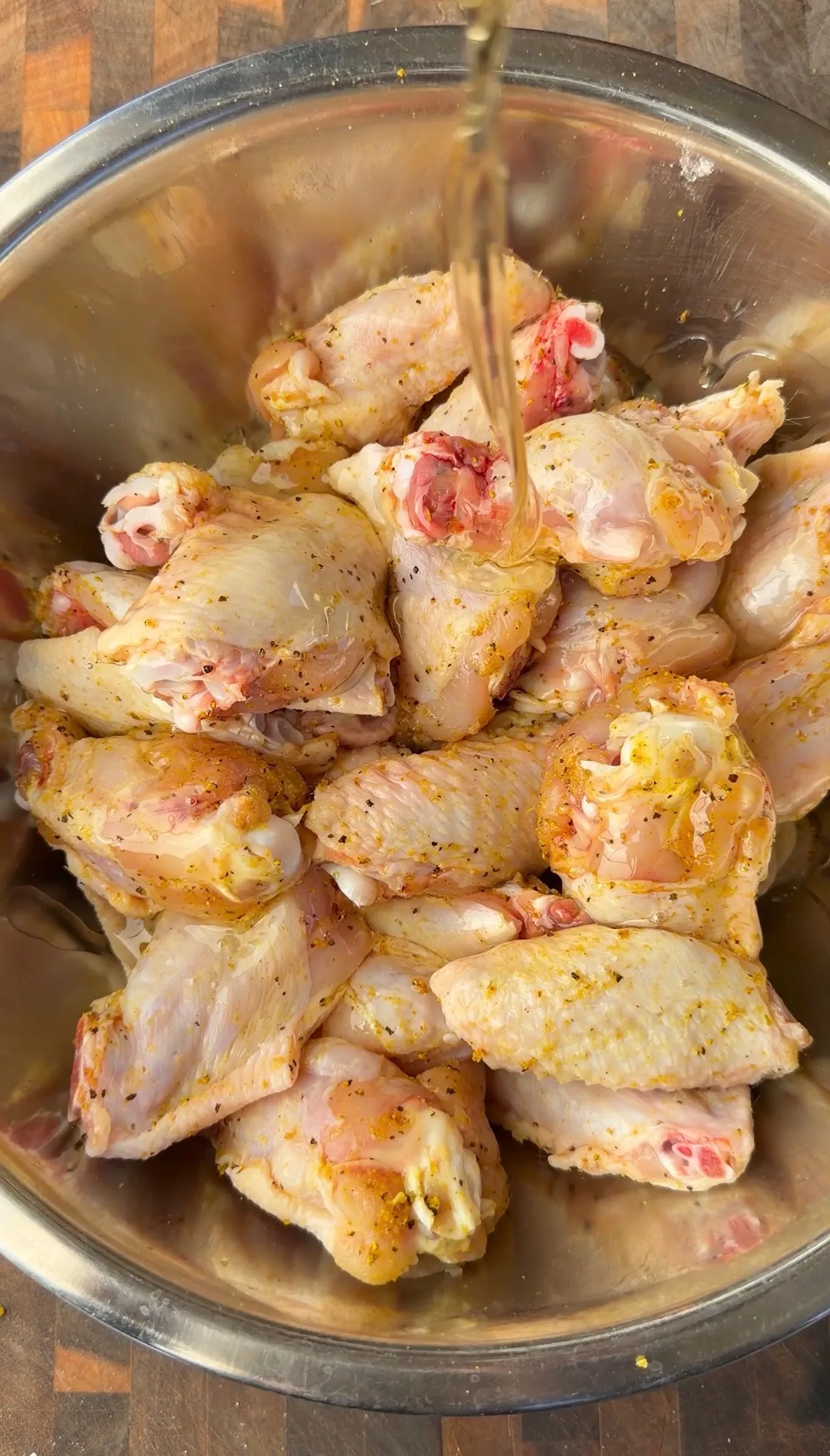
This recipe builds lemon pepper flavor in three separate stages, which is why the finished wings taste so much deeper than wings sauced only at the end. First, the raw wings get seasoned directly with lemon pepper and a light oil drizzle to help it stick. Second, the dredge carries 2 teaspoons of lemon pepper into the crust itself. Third, the finishing sauce and the final sprinkle add the brightest, freshest layer on top. As a result, every component of the wing carries the flavor instead of relying on a surface coating that fades after the first bite.
The Final Toss and Garnish
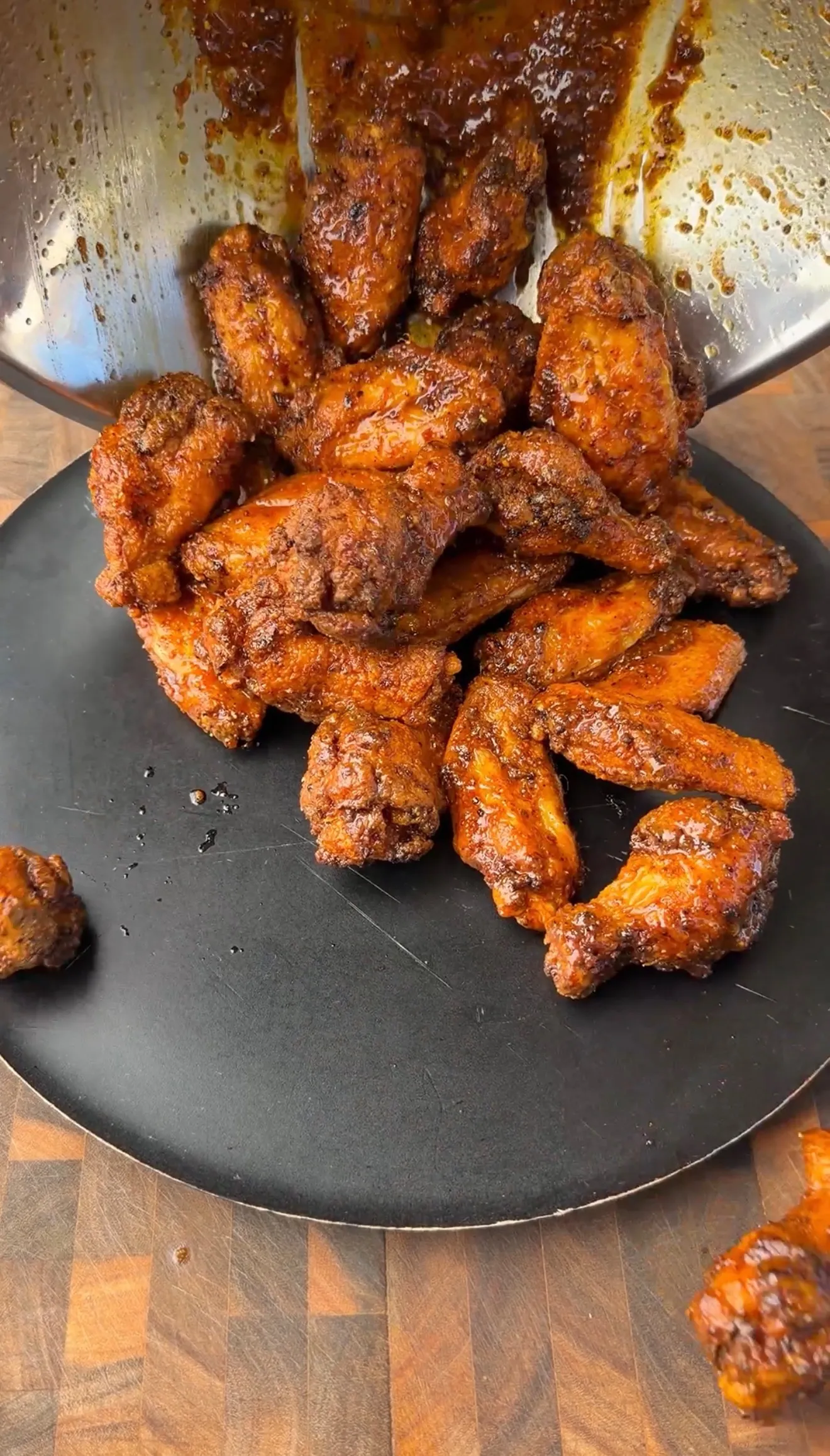
Toss the hot wings in the warm sauce just until lightly coated. The goal is a thin, even glaze, not a heavy drench that would soften the crust you worked to build. Toss quickly and serve immediately while the contrast between the crunchy shell and the sticky glaze is at its peak. Finish with extra lemon zest and a final sprinkle of lemon pepper seasoning for that fresh aromatic pop. Furthermore, serving the wings right away matters: even the sturdiest double-fried crust eventually yields to sauce, so these are best eaten within a few minutes of tossing.
Step-by-Step: How to Make Crispy Honey Lemon Pepper Wings
Step 1: Season the Wings
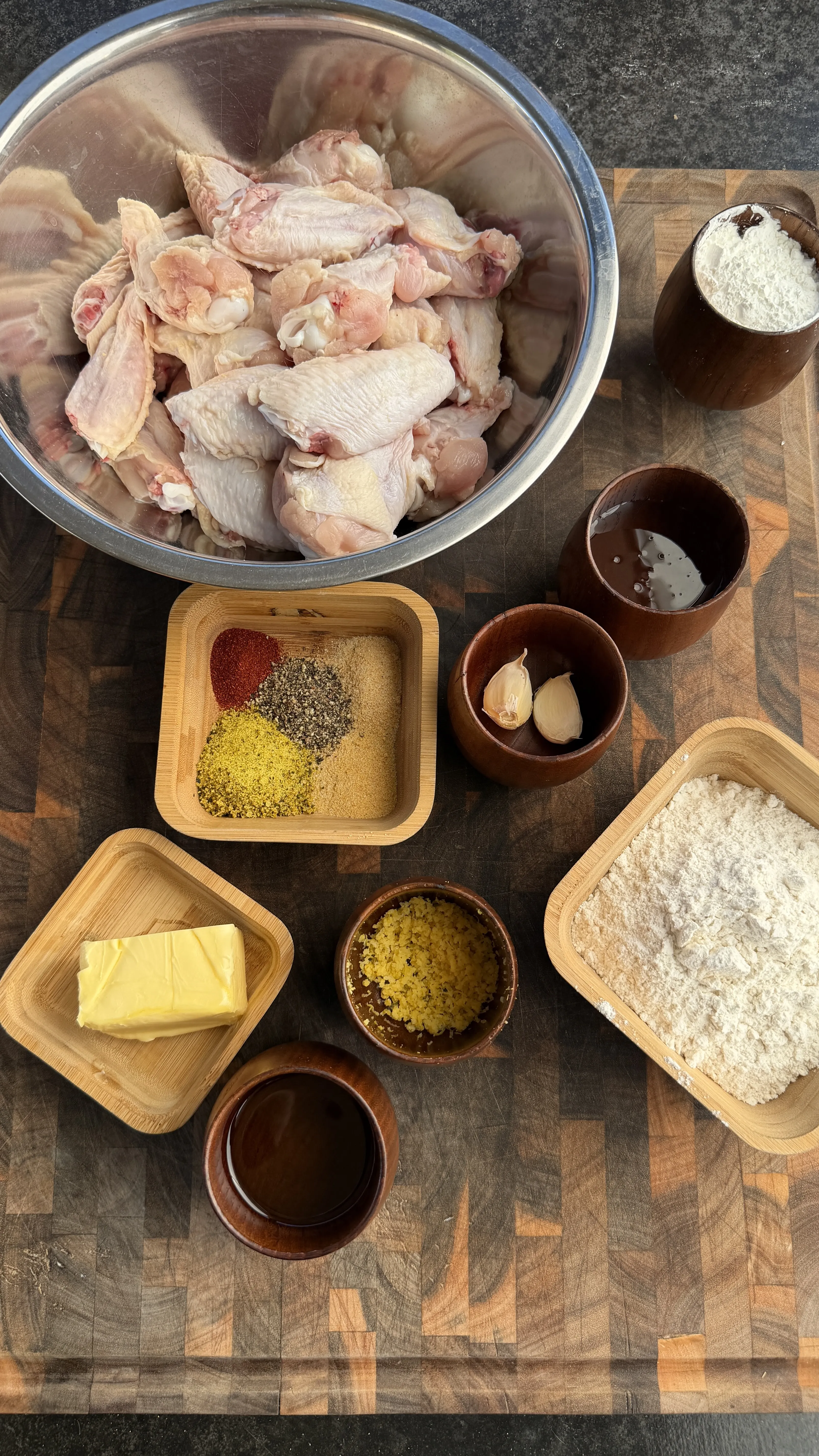
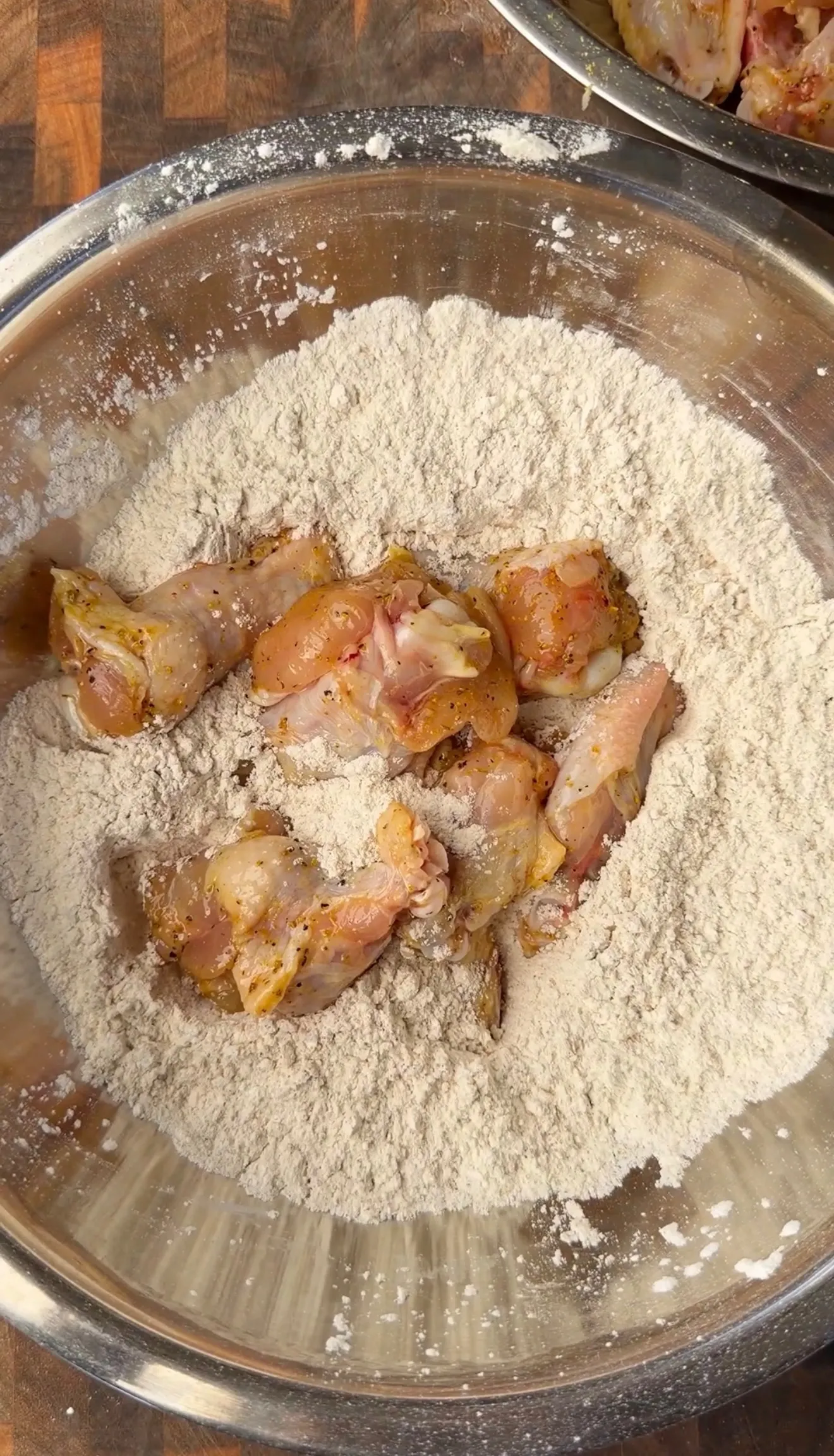
Start with 3 pounds of split wings and season them directly with lemon pepper seasoning. Toss with a light drizzle of 1 to 2 tablespoons of avocado oil (or any neutral oil) just to help the seasoning stick to the skin.
Step 2: Make the Dredge and Coat
Mix the flour, cornstarch, 2 teaspoons lemon pepper, garlic powder, onion powder, paprika, salt, and optional baking powder until fully combined. Coat the wings evenly in the flour mixture. Place them on a wire rack and rest for about 10 minutes so the coating sets and bonds to the skin.
Step 3: First Fry
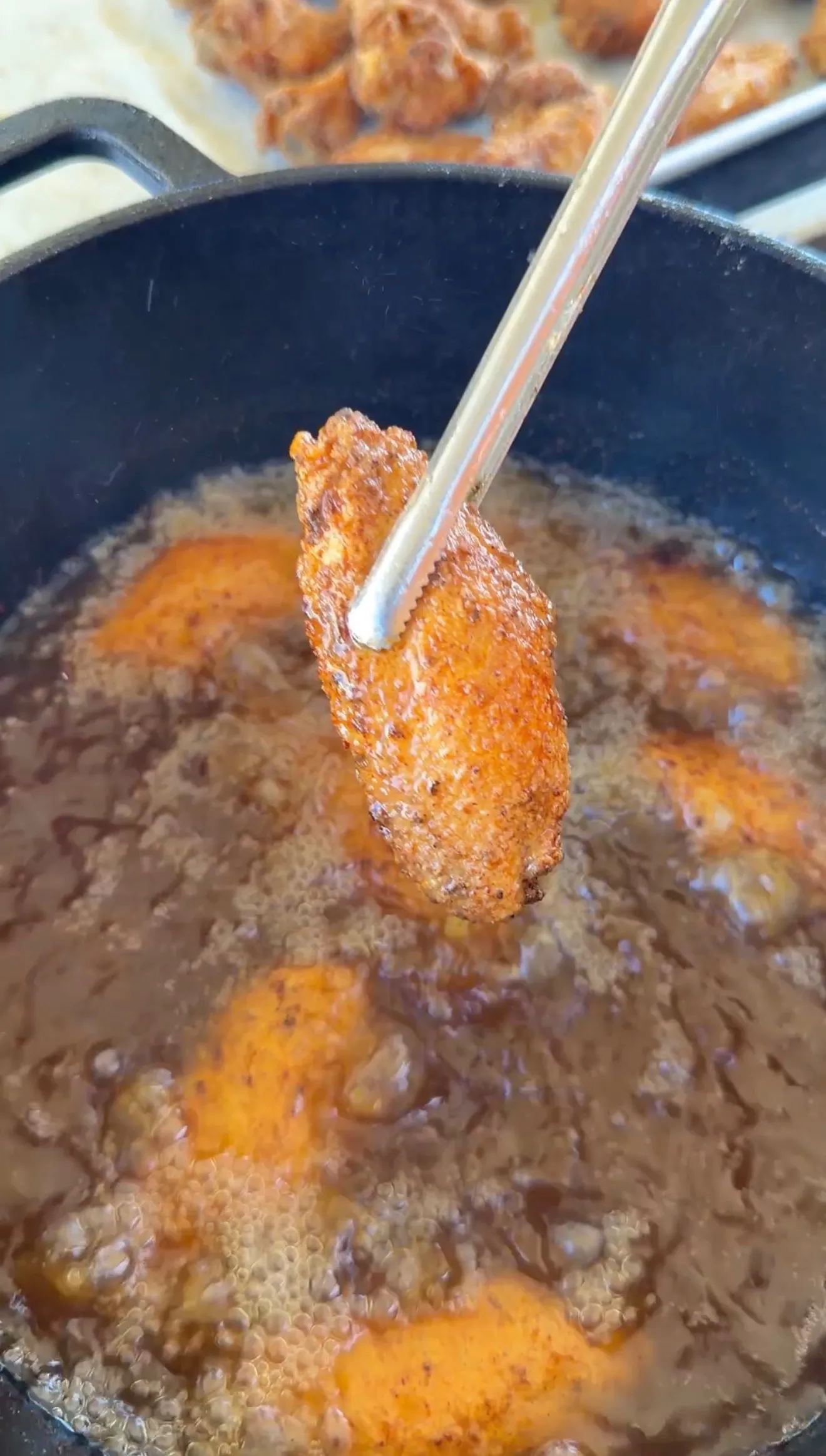
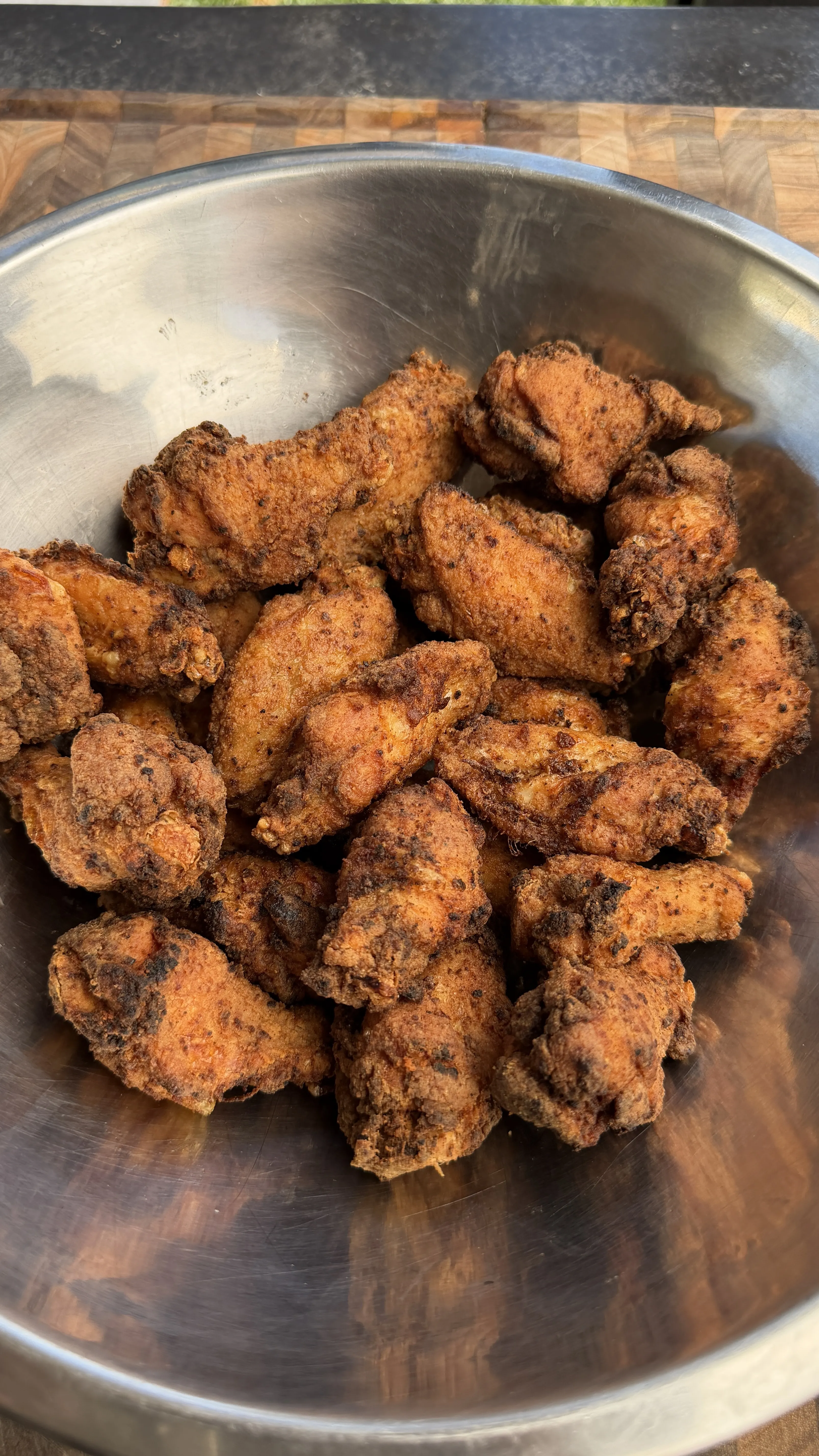
Heat oil to 350°F. Fry the wings in batches without overcrowding the pot. Fry for about 5 minutes to cook them through, then remove and let them rest on a wire rack. The wings will look pale and cooked but not yet crispy at this stage.
Step 4: Double Fry for Extra Crunch
Bring the rested wings back into the 350°F oil and fry again for another 4 to 5 minutes until deep golden and extra crispy. Let the oil recover to temperature between batches. This second fry sets the hard, glassy crust that holds up under the sauce.
Step 5: Make the Sauce
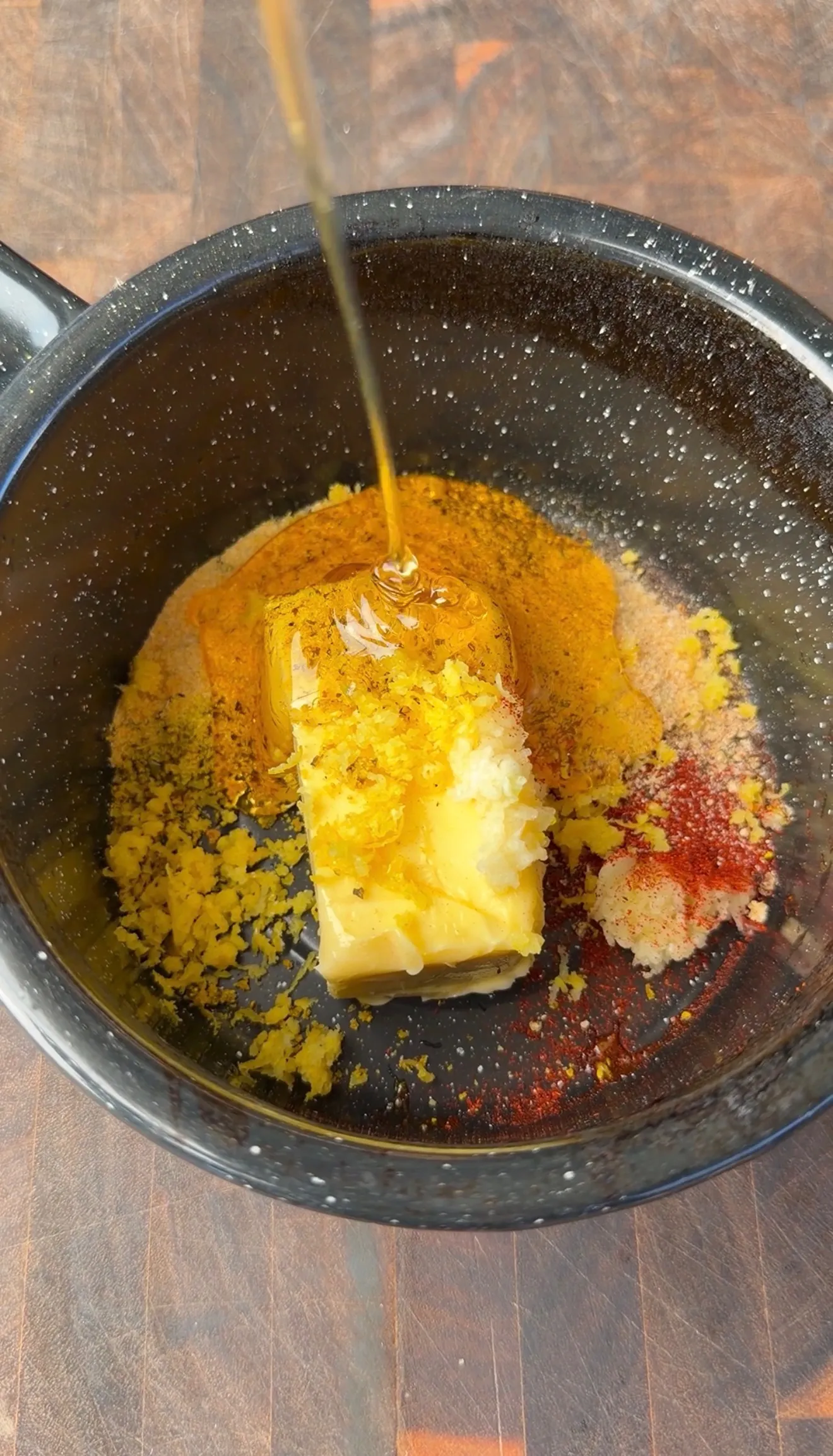
In a small pot, melt the 4 tablespoons of butter over medium heat. Add the honey, lemon zest, lemon juice, lemon pepper seasoning, cracked black pepper, and optional hot sauce. Simmer for 1 to 2 minutes until smooth and glossy, then pull it off the heat before the honey thickens toward candy.
Step 6: Toss and Finish
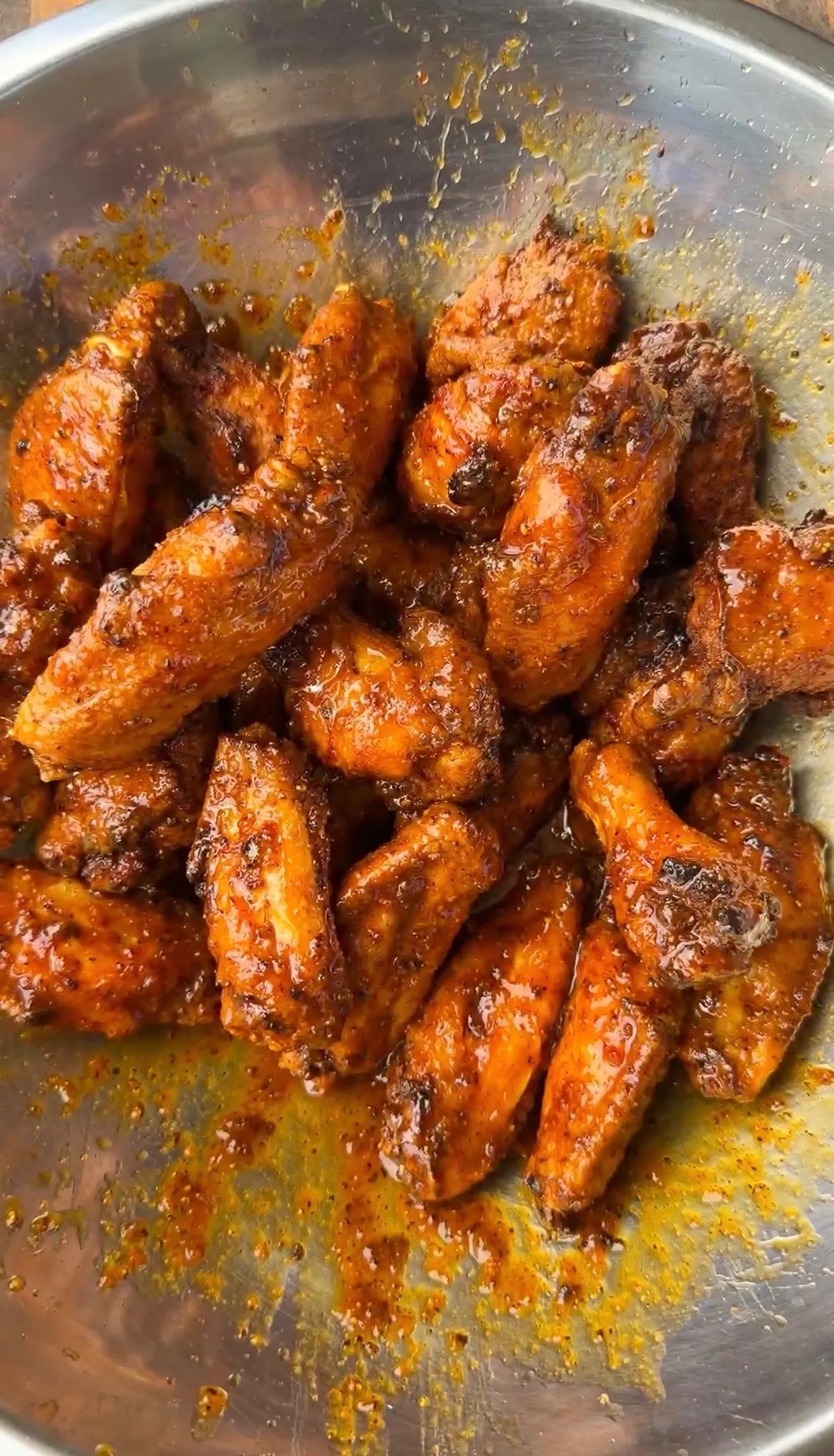
Toss the hot wings in the warm sauce just until lightly coated, aiming for a thin even glaze rather than a heavy drench. Finish with extra lemon zest and a final sprinkle of lemon pepper seasoning for a bright, aromatic pop.
Step 7: Serve Immediately
Serve the wings right away while the contrast between the crunchy shell and sticky glaze is at its peak. These double-fried wings hold their crunch longer than most, but even the best crust eventually yields to sauce, so don’t let them sit.
Crispy Fried Honey Lemon Pepper Wings
Ingredients
Equipment
Method
- Season the split wings directly with lemon pepper seasoning. Toss with a light drizzle of avocado oil just to help the seasoning stick.
- Mix all dredge ingredients together until fully combined. Coat the wings evenly in the flour mixture, then place on a wire rack and rest for about 10 minutes so the coating sets.
- Heat oil to 350°F. Fry the wings in batches without overcrowding the pot for about 5 minutes, then remove and let them rest. They will be cooked through but not yet crispy.
- Bring the wings back into the 350°F oil and fry again for another 4 to 5 minutes until deep golden and extra crispy. Let the oil recover to temperature between batches.
- In a small pot, melt the butter over medium heat. Add the honey, lemon zest, lemon juice, lemon pepper seasoning, black pepper, and optional hot sauce. Simmer for 1 to 2 minutes until smooth and glossy.
- Toss the hot wings in the sauce until lightly coated. Finish with extra lemon zest and a final sprinkle of lemon pepper seasoning. Serve immediately.
Notes
Tried this recipe?
Let us know how it was!Honey Lemon Pepper Wings — FAQ
Everything you need to nail the crunch, the fry, and the glaze.
Setup & Basics
Use a neutral oil with a high smoke point so it holds 350°F without breaking down or adding off-flavors. The best options are peanut oil (the classic fry oil, smoke point around 450°F), canola or vegetable oil (cheap, neutral, widely available), or avocado oil (highest smoke point, but pricier for the volume frying requires). Avoid olive oil and butter for the fry itself \u2014 their smoke points are too low and they’ll burn. You’ll need enough oil to submerge the wings, so a deep pot or Dutch oven with 2 to 3 inches of oil works well. Strain and reuse the oil once or twice for future fries.
Yes, with adjustments. Skip the wet flour dredge \u2014 it doesn’t crisp properly in an air fryer without oil immersion. Instead, toss the seasoned wings with the cornstarch, baking powder, and spices (no flour) plus a light spray of oil, which gives the best air-fryer crunch. Cook at 380°F for 22 to 26 minutes, flipping halfway, then bump to 400°F for a final 3 to 5 minutes to deepen the crisp. Toss in the honey lemon pepper sauce exactly as written after cooking. The texture won’t quite match a true double fry, but it comes impressively close with far less oil and cleanup.
For the signature ultra-crispy texture that survives the sauce, yes. A single fry produces a decent wing, but the crust softens quickly once the honey lemon pepper glaze hits it. The double fry is what makes these wings stay crunchy under sauce \u2014 the first fry sheds moisture, and the second fry sets a hard, dehydrated crust. If you’re short on time and serving the wings dry (sauce on the side), a single 8 to 10 minute fry is acceptable. But if you’re tossing them in the glaze, the second fry is the difference between crispy and soggy. It only adds about 5 minutes total.
Easily. Less sweet: Cut the honey to 1/3 cup and add an extra tablespoon of lemon juice \u2014 the wings lean tangier and brighter. Sweeter: Bump the honey to 2/3 cup. Spicier: The optional hot sauce is the starting point; add 1 to 2 tablespoons of Frank’s or a teaspoon of cayenne or red pepper flakes to the sauce for real heat. For a hot-honey style, stir in a pinch of cayenne plus a few cracks of extra black pepper. The honey-lemon-butter base is forgiving and balances well across a wide range, so taste the sauce before tossing and adjust to your preference.
Technique & Troubleshooting
Almost always an oil temperature problem. If the oil dropped below 325°F \u2014 usually from adding too many wings at once or not letting it recover between batches \u2014 the coating absorbs oil instead of crisping. Use a thermometer and fry in smaller batches. Two other culprits: skipping the double fry (a single fry leaves more moisture in the coating), and saucing too heavily or too early (a heavy drench or letting sauced wings sit will soften even a good crust). Finally, make sure you rested the coating 10 minutes before frying and rested the wings between the two fries \u2014 both steps drive out the moisture that causes sogginess.
Prep ahead: You can do the first fry up to a few hours in advance, hold the wings at room temperature on a wire rack, then do the second fry right before serving. This is actually how many restaurants run wings, and it works beautifully for a party. The sauce can be made ahead and gently rewarmed (it firms up as the butter cools). Reheating leftovers: Skip the microwave \u2014 it turns the crust rubbery. Reheat in a 375°F oven or air fryer for 8 to 10 minutes to revive the crunch. Already-sauced leftovers won’t get back to full crispness, but the oven gets them far closer than any other method. Store refrigerated up to 3 days.
Ready to Level Up?
Take your backyard cooking from good to legendary.
This is where I keep all my most-used smokers, knives, and favorite cooking tools.
Shop My Gear CollectionExplore More Recipes
Find more diverse flavors at CWFeats.com