Smoked Beef Plate Ribs
These hickory smoked beef plate ribs rely on simple seasoning, heavy smoke, and a long, low cook for tender, juicy beef. You smoke a three-bone plate rib rack at 275°F over hickory until the bark sets and the internal temperature reaches about 175°F. Then you wrap the ribs in a foil pan and cook them to 203 to 204°F, until the meat probes tender. A 4-pound rack usually takes 6 to 8 hours, depending on thickness and your smoker. Removing the silver skin from the meat side lets the seasoning and bark hit the beef directly. Rest the ribs 20 minutes, then slice between the bones and serve.
What Are Beef Plate Ribs
Plate Ribs vs Back Ribs and Short Ribs
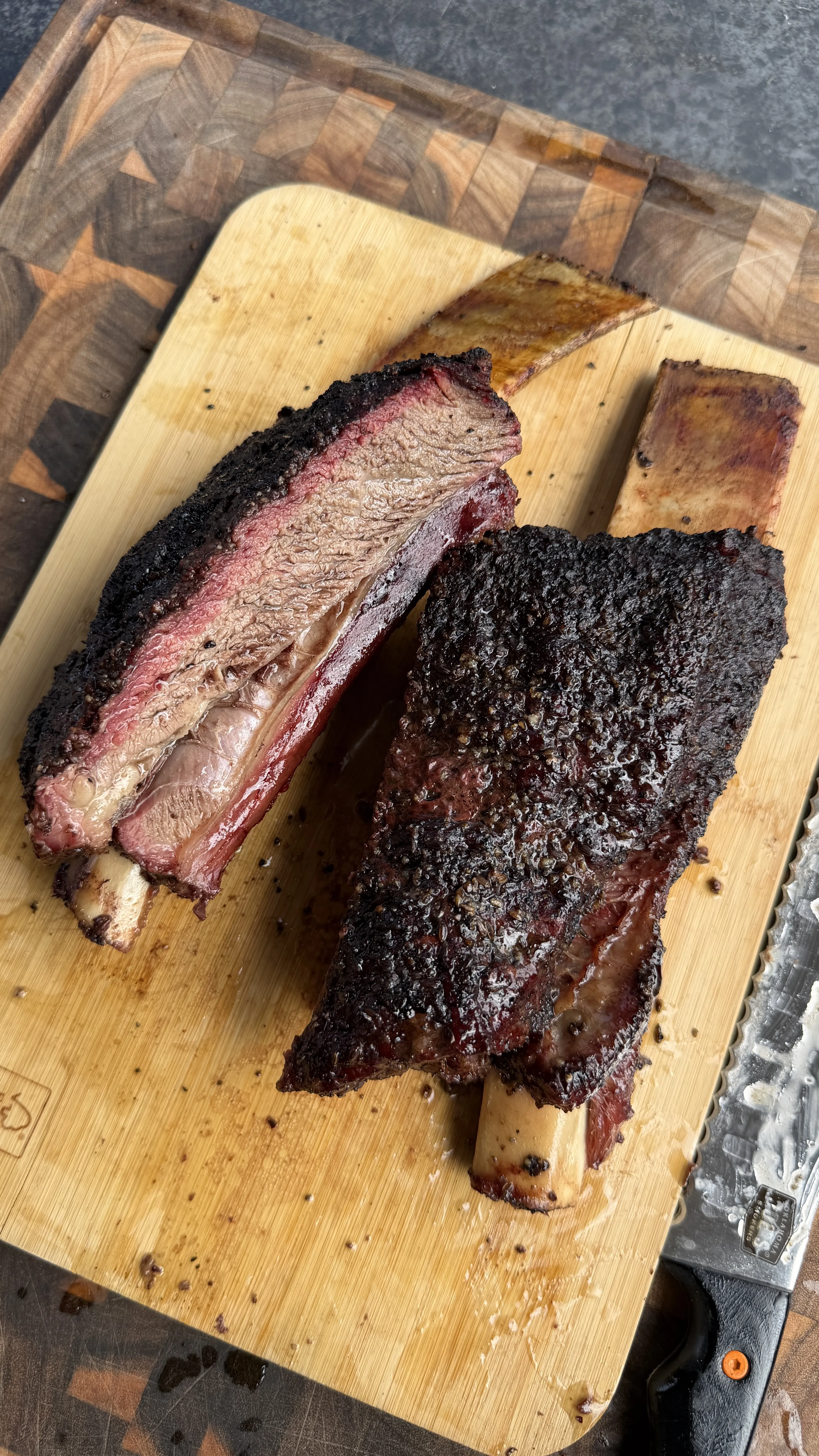
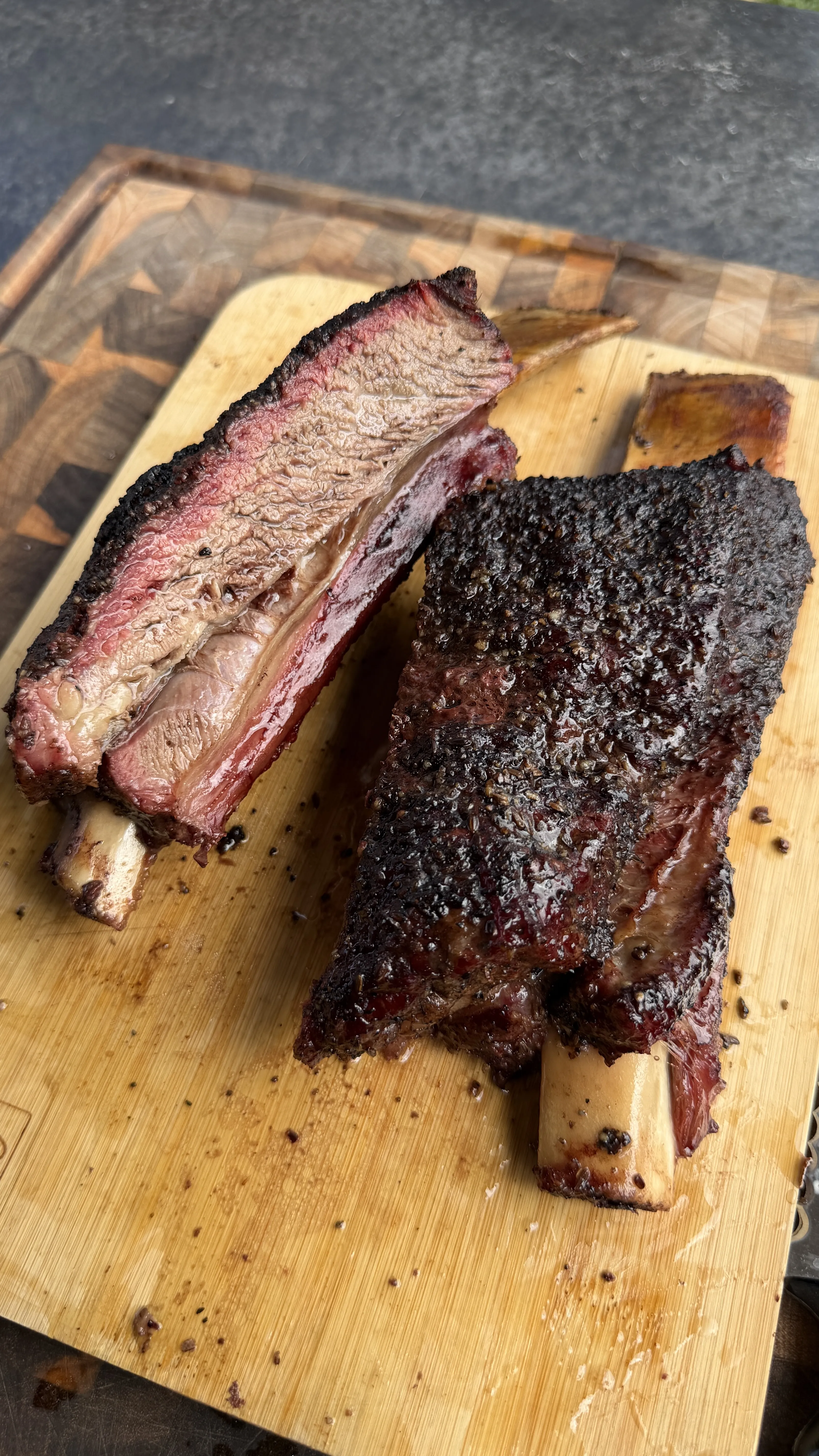
Beef plate ribs come from the lower section of the rib cage, ribs six through eight. They carry thick, heavily marbled meat on top of long bones. In contrast, back ribs sit higher and hold less meat between the bones. Short ribs get cut from the chuck or plate into smaller, blockier pieces. Smoked beef plate ribs give you the most meat per bone of the three. As a result, they cook into a rich, beefy bite that stays moist through a long smoke. Look for a three-bone rack with an even, thick meat cap.
Why They’re Called Brisket on a Stick
Pitmasters often call plate ribs “brisket on a stick” for good reason. The meat carries the same deep marbling and beefy flavor as a packer brisket. However, the bone underneath adds moisture and protects the meat during the cook. Furthermore, the thick fat content renders slowly and bastes the beef from the inside. This is why smoked beef plate ribs stay juicy even at high finishing temperatures. Therefore, treat them like brisket: low heat, plenty of time, and a focus on tenderness over the clock. A single rack feeds three to four people generously.
Trimming and Seasoning Beef Plate Ribs
Removing the Silver Skin
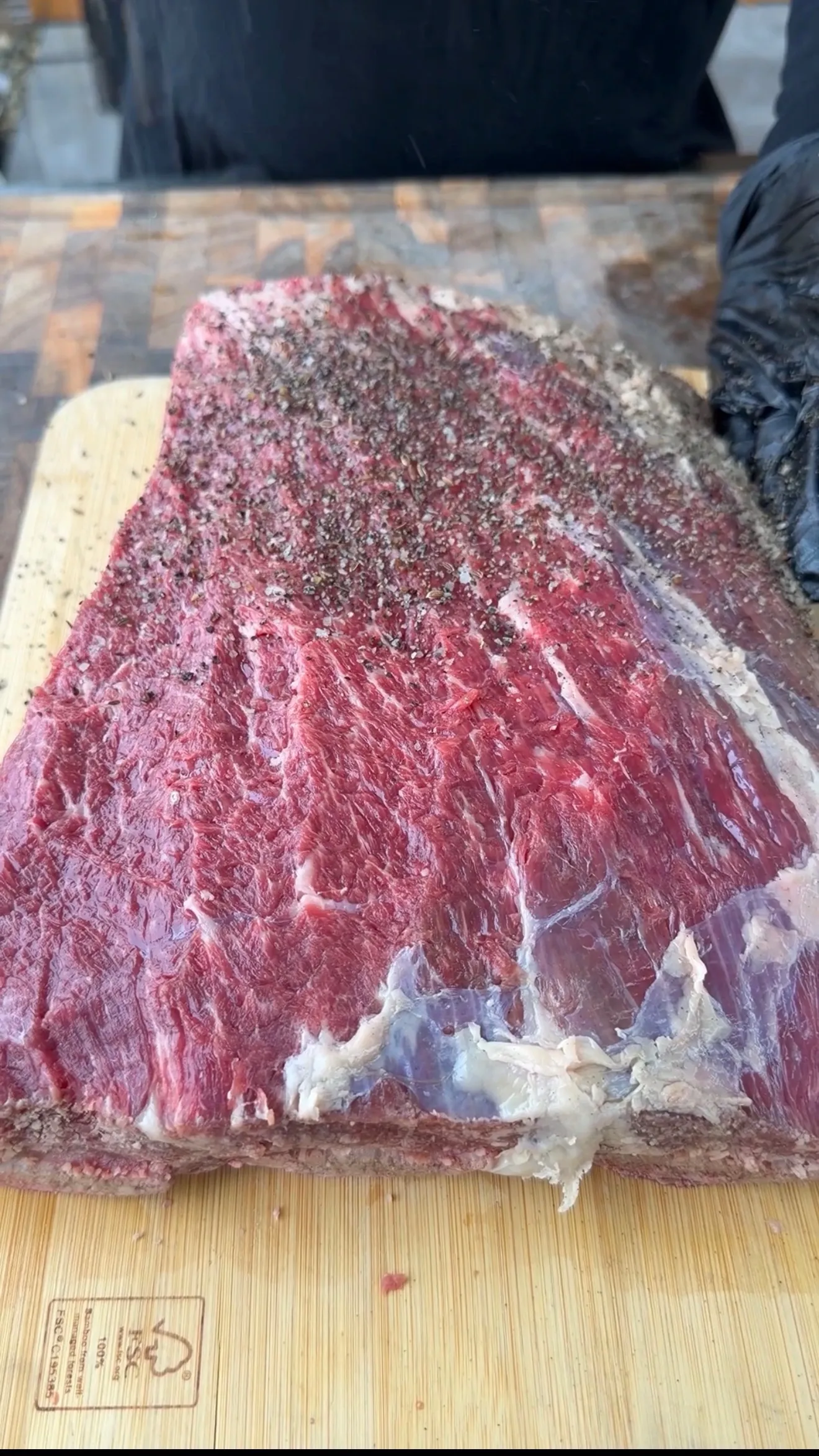
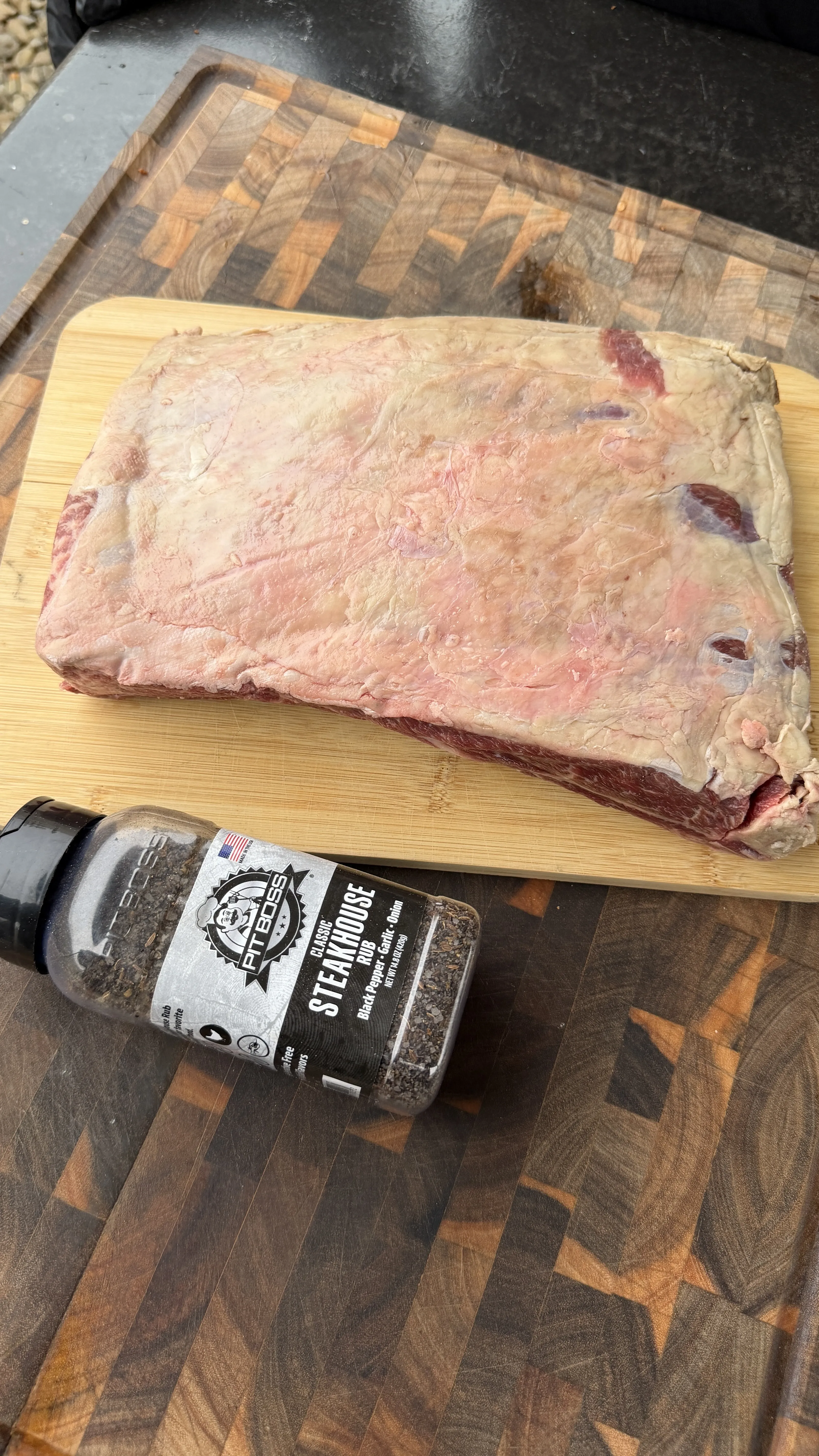
Start by removing the silver skin from the meat side of the ribs. This thin, tough membrane blocks seasoning and keeps bark from forming on the meat. Using a sharp knife, slide under one edge and peel it away. However, leave the membrane on the bone side intact, since it holds the rack together during the long cook. As a result, the seasoning and smoke make direct contact with the beef. Moreover, the bark develops right on the meat instead of on a layer of connective tissue. This single step improves both flavor and texture.
SPG vs a Beef Rub
Beef plate ribs need very little seasoning to shine. A simple blend of salt, pepper, and garlic, known as SPG, is the traditional choice. The coarse pepper builds texture in the bark, while the salt deepens the beef flavor. Alternatively, use your favorite BBQ beef rub for a touch more complexity. Either way, season generously on all sides, since the thick meat can carry it. Additionally, press the rub in so it adheres before the smoke. Smoked beef plate ribs let the beef and smoke lead, so avoid heavy, sugary rubs that can scorch over a long cook.
Smoking at 275°F with Hickory
Why 275°F Works
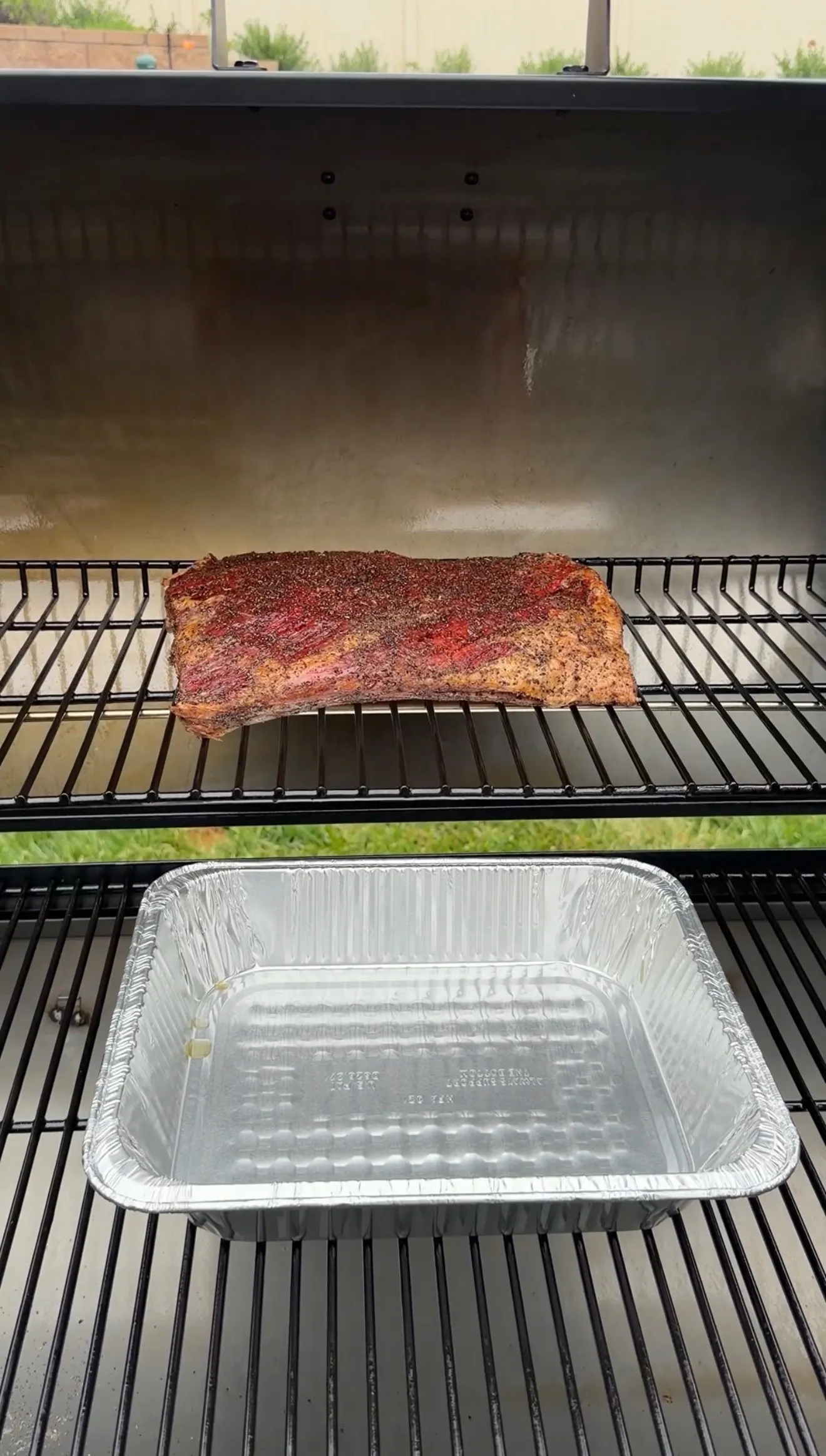
Preheat your smoker to 275°F before the ribs go on. This temperature sits in the sweet spot for plate ribs. It renders the heavy fat and collagen without drying the surface. In contrast, lower temperatures around 225°F stretch the cook past 10 hours with little benefit. Meanwhile, 275°F builds bark steadily and keeps the total time near 6 to 8 hours. Smoke the ribs until the internal temperature reaches about 175°F and the bark turns dark and set. Therefore, use a leave-in thermometer to track progress without opening the lid often.
Hickory and Other Wood Options
Hickory gives smoked beef plate ribs a bold, traditional flavor that matches the rich marbling. Use hickory chunks or pellets, depending on your smoker. However, hickory runs strong, so avoid oversmoking thinner racks. For a milder profile, blend hickory with oak or post oak. Oak burns clean and is the classic Texas choice for big beef cuts. Additionally, a small amount of cherry adds color and a faint sweetness. As a result, you can tune the smoke to your taste while keeping the hickory backbone.
The Wrap and the Stall
When to Wrap
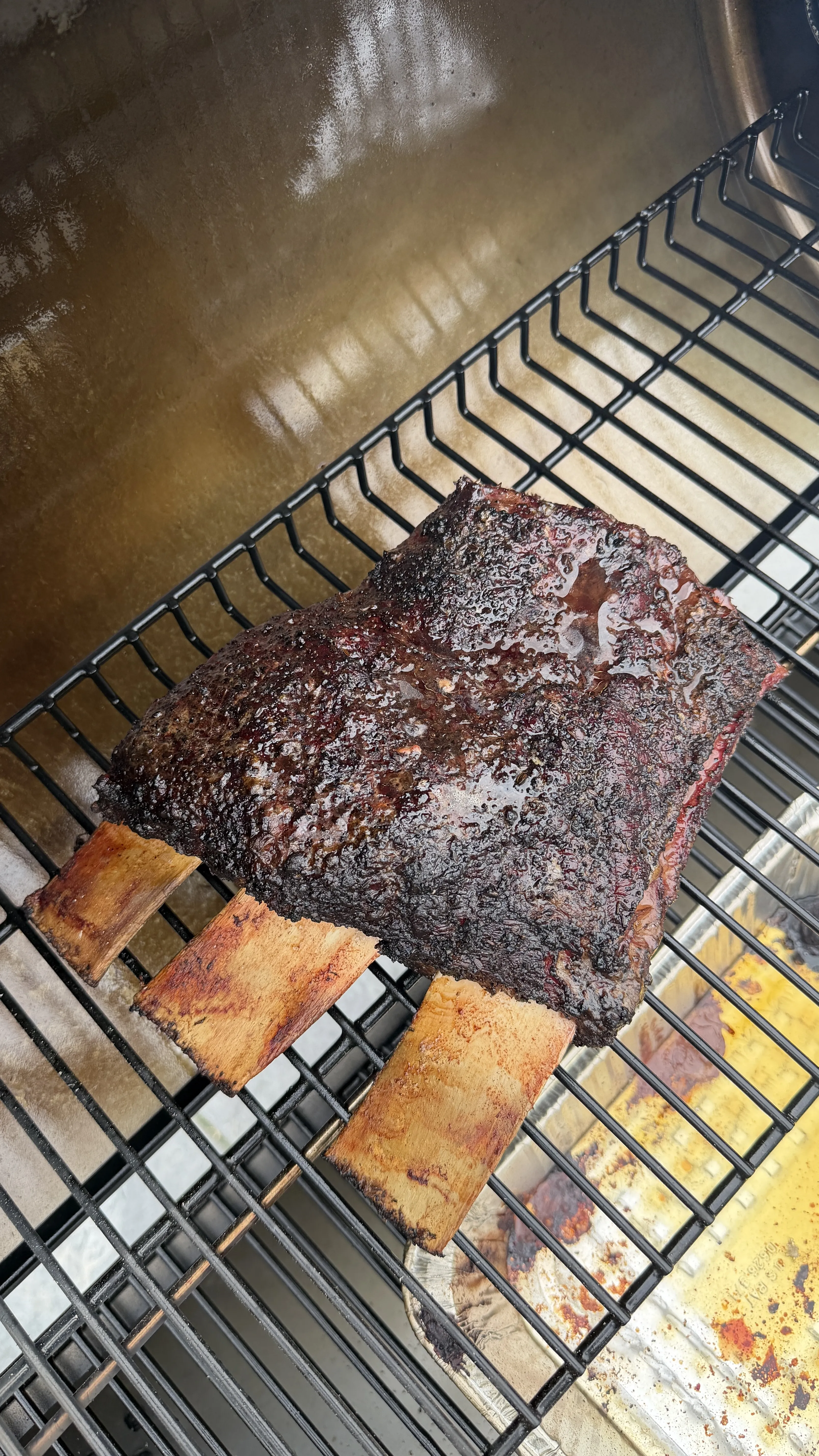
At around 175°F, the bark should be dark and firmly set. This is the point to wrap. The wrap pushes the ribs through the stall, where evaporative cooling holds the internal temperature flat for hours. Without wrapping, the cook can drag on well past 8 hours. Furthermore, wrapping traps moisture and protects the bark from drying out. However, wait until the bark has fully formed, since wrapping too early softens it. Smoked beef plate ribs benefit from this timing, since the bark needs to set before the foil goes on.
Wrapping in a Foil Pan
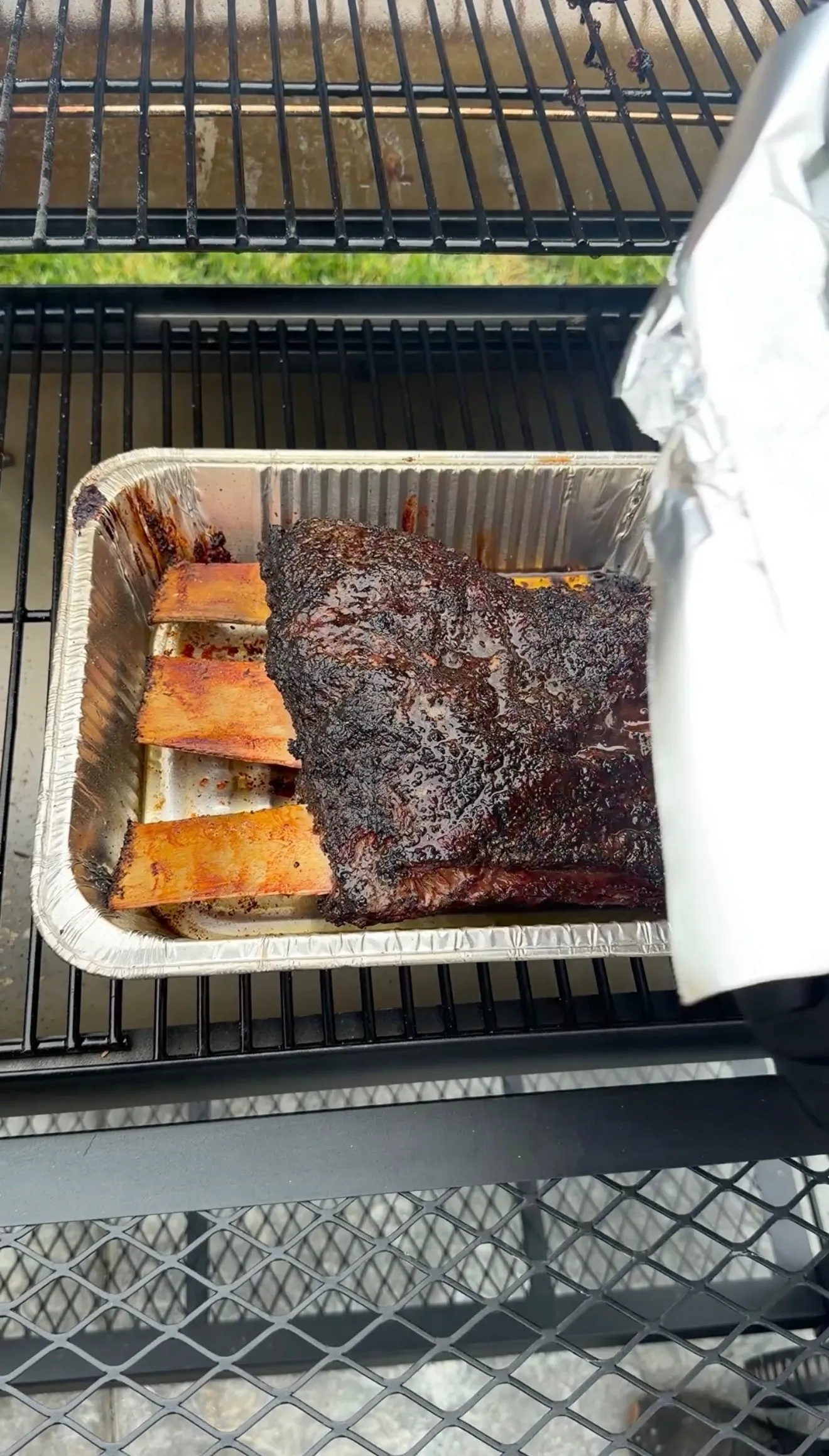
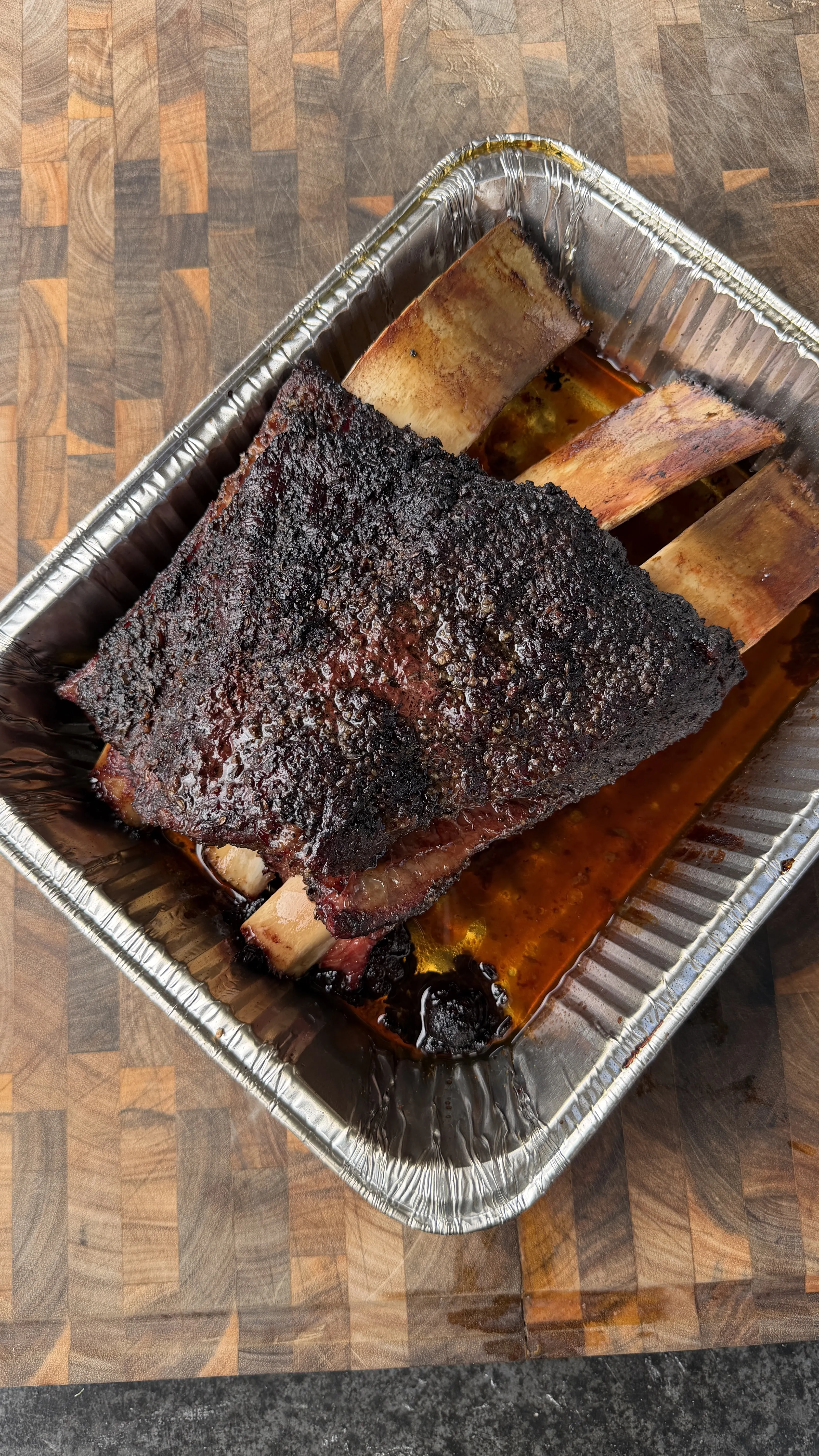
Transfer the ribs to a foil pan and cover tightly with foil. The pan catches the rendered fat and keeps the ribs flat and stable. Then return them to the smoker at 275°F. Continue cooking until the internal temperature reaches 203 to 204°F. Meanwhile, the trapped heat and moisture break down the remaining collagen into gelatin. As a result, the meat turns tender and juicy. A foil pan is also easier to handle than a tight foil wrap for a heavy rack.
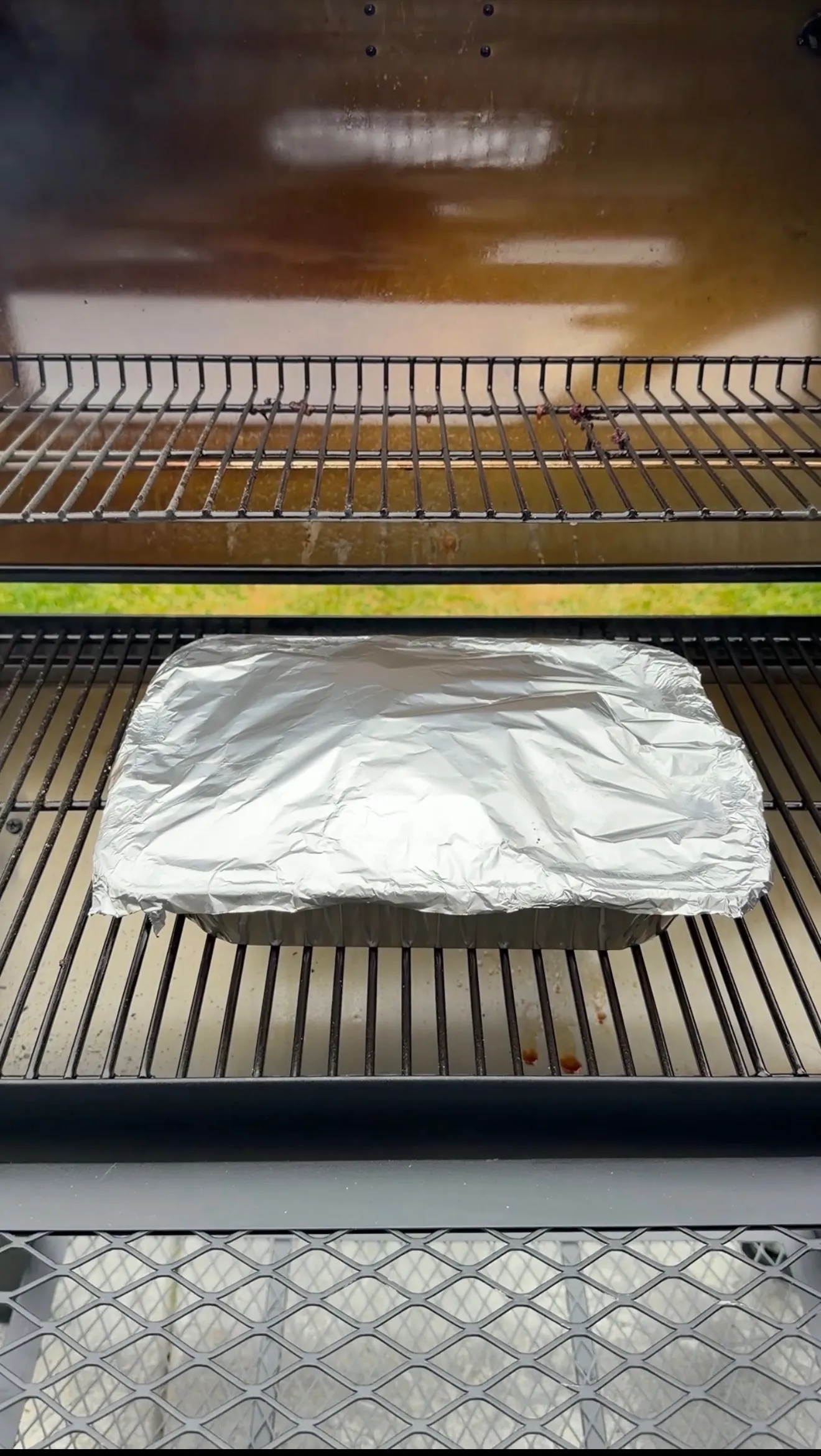
Cooking to Tender, Not to Temperature
Why 203°F and Probe Tender
Temperature is a guide, but tenderness is the real target. Pull smoked beef plate ribs when the probe slides in with almost no resistance. This usually happens around 203 to 204°F. However, every rack is different, so check the feel rather than trusting the number alone. The probe should glide through the meat like it is going into softened butter. If it drags, give the ribs more time and check again in 20 minutes. Consequently, you avoid pulling them tough and underdone.
Firming the Bark Back Up
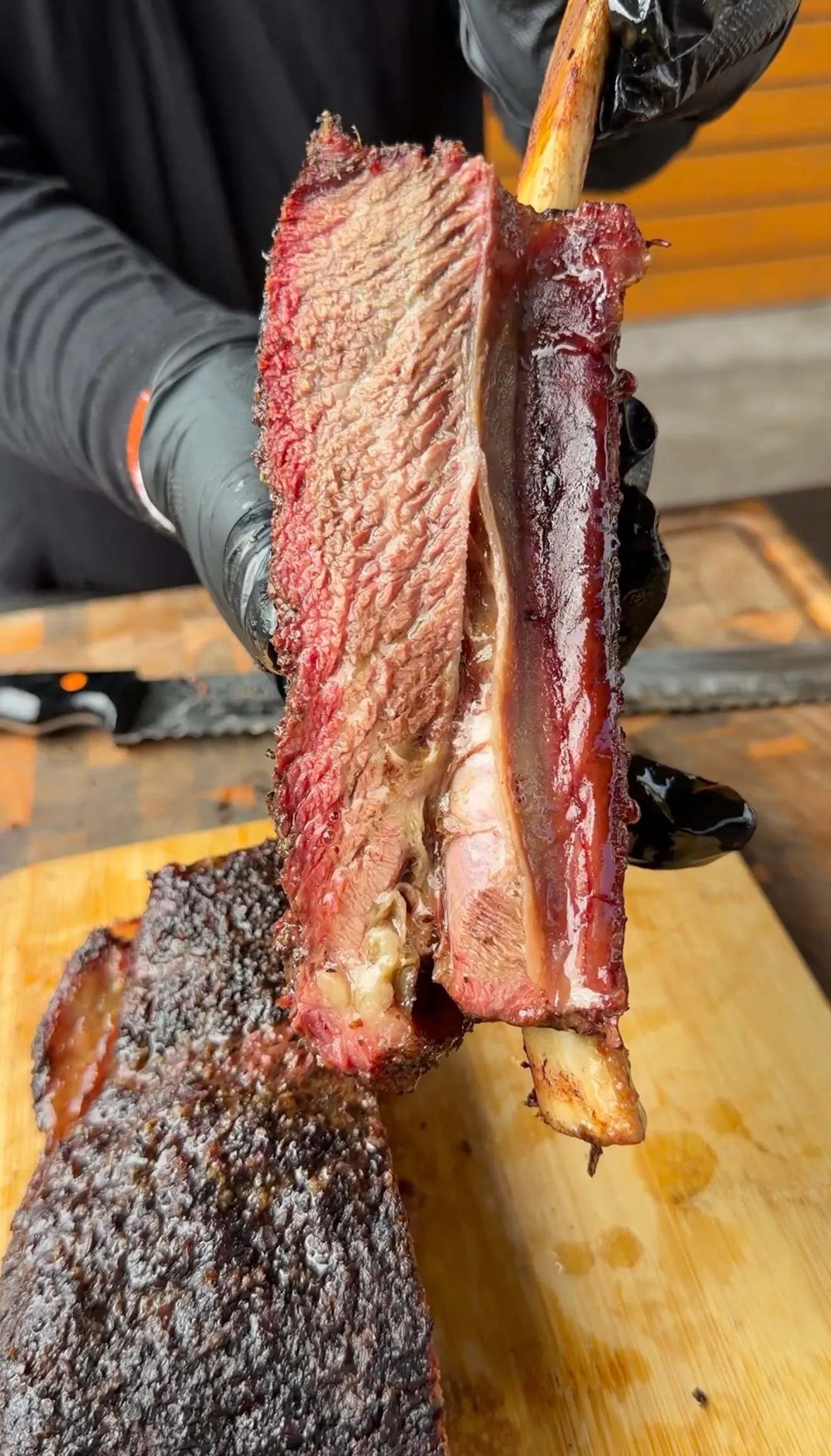
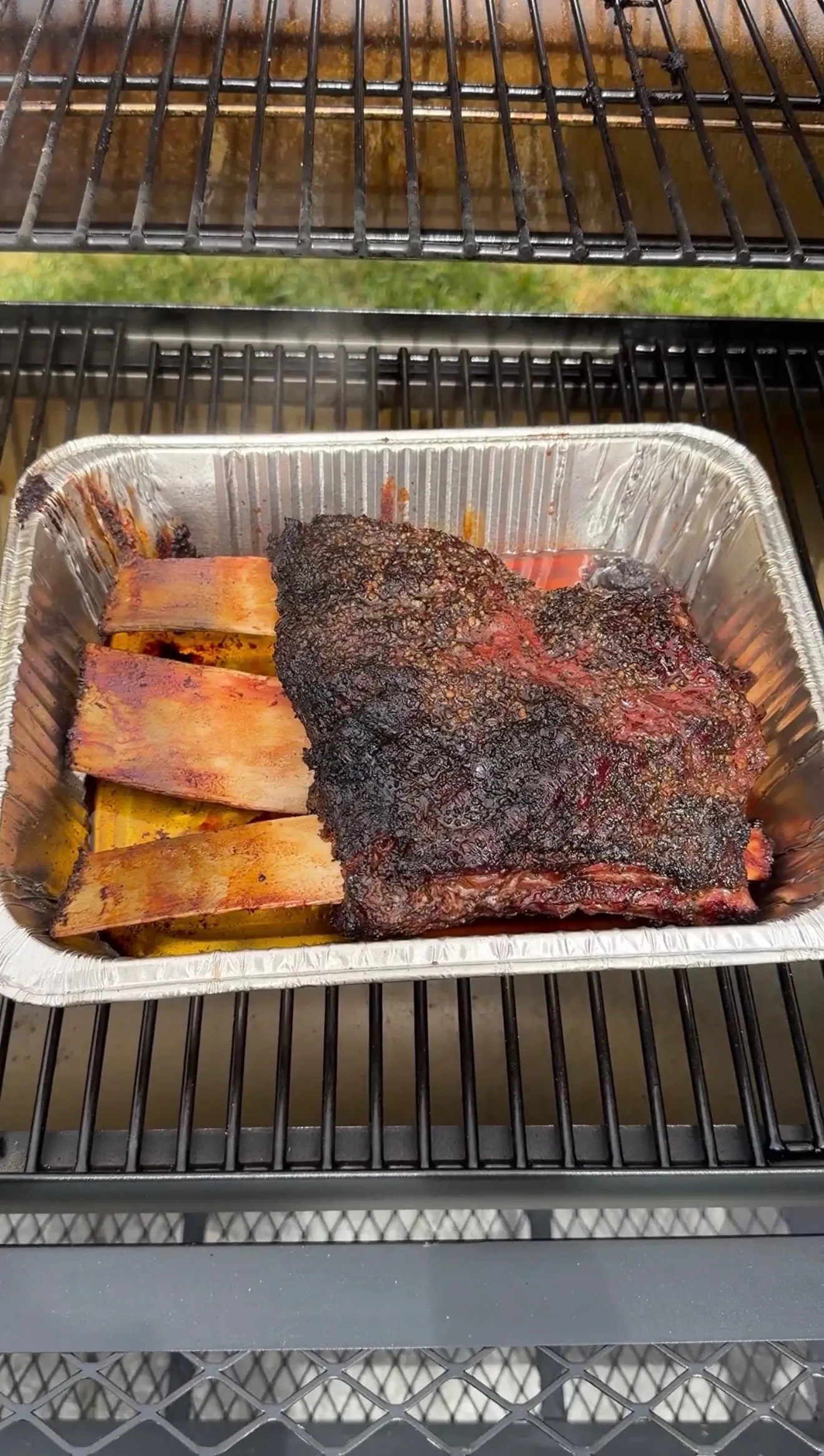
Wrapping softens the bark, so firm it back up before resting. Remove the foil cover and lift the ribs out of the pan. Then place them directly on the smoker grates, uncovered, for about 15 minutes. As a result, the surface dries and the bark tightens. This short step restores the crust you built during the open smoke. Furthermore, it gives the ribs a cleaner bite and better presentation. Smoked beef plate ribs look and taste best with a firm, dark bark.
Resting, Slicing, and Serving
Why a 20-Minute Rest Matters
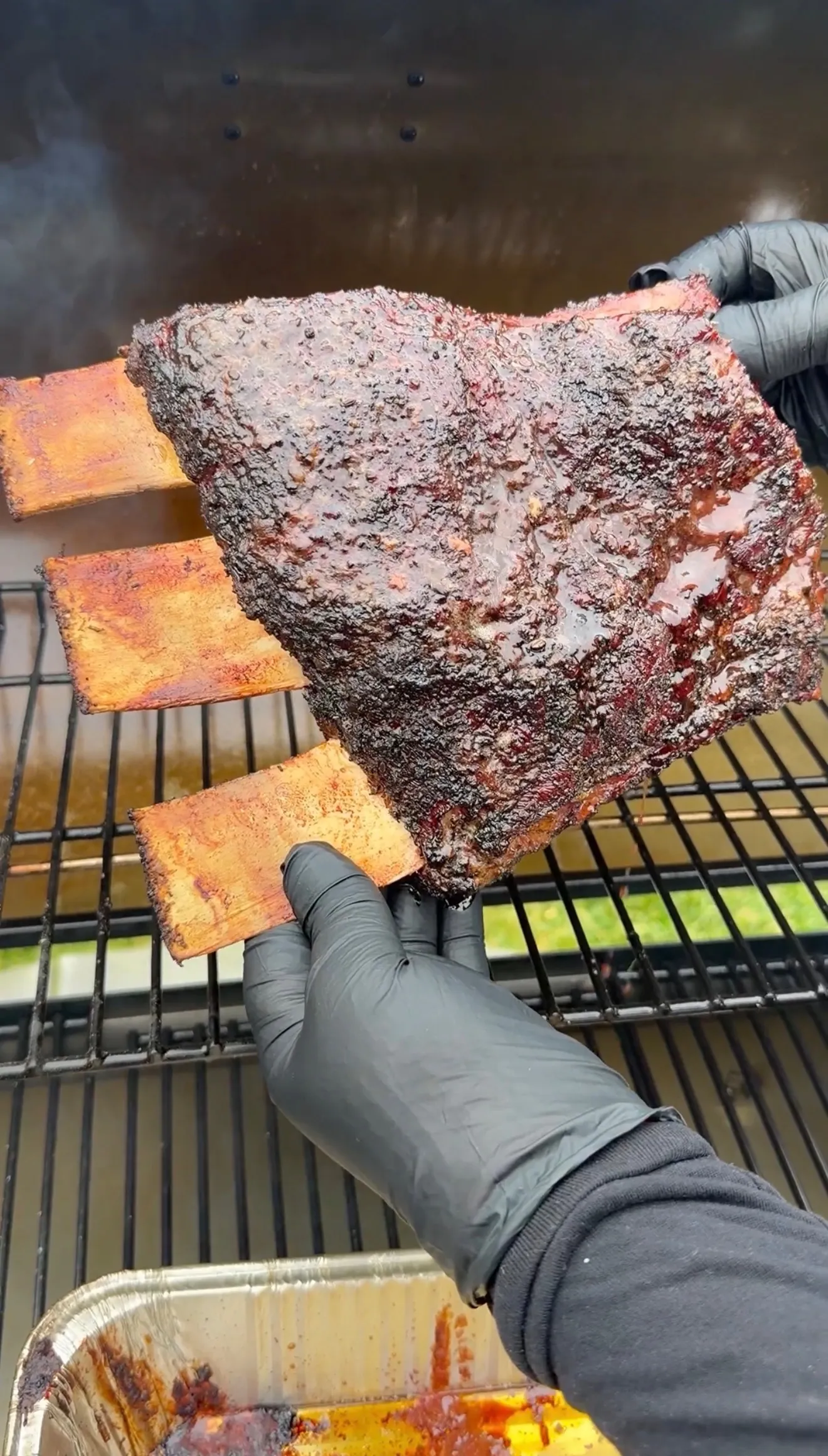
Rest the ribs for 20 minutes before you slice. During the cook, heat drives moisture toward the center of the meat. The rest lets that moisture redistribute through the rack. As a result, the juices stay in the beef instead of spilling onto the board. Additionally, the surface cools enough to handle and slice cleanly. Therefore, resist cutting in early, even when the smell pulls at you. A proper rest is the difference between juicy ribs and a dry slice.
Slicing Between the Bones
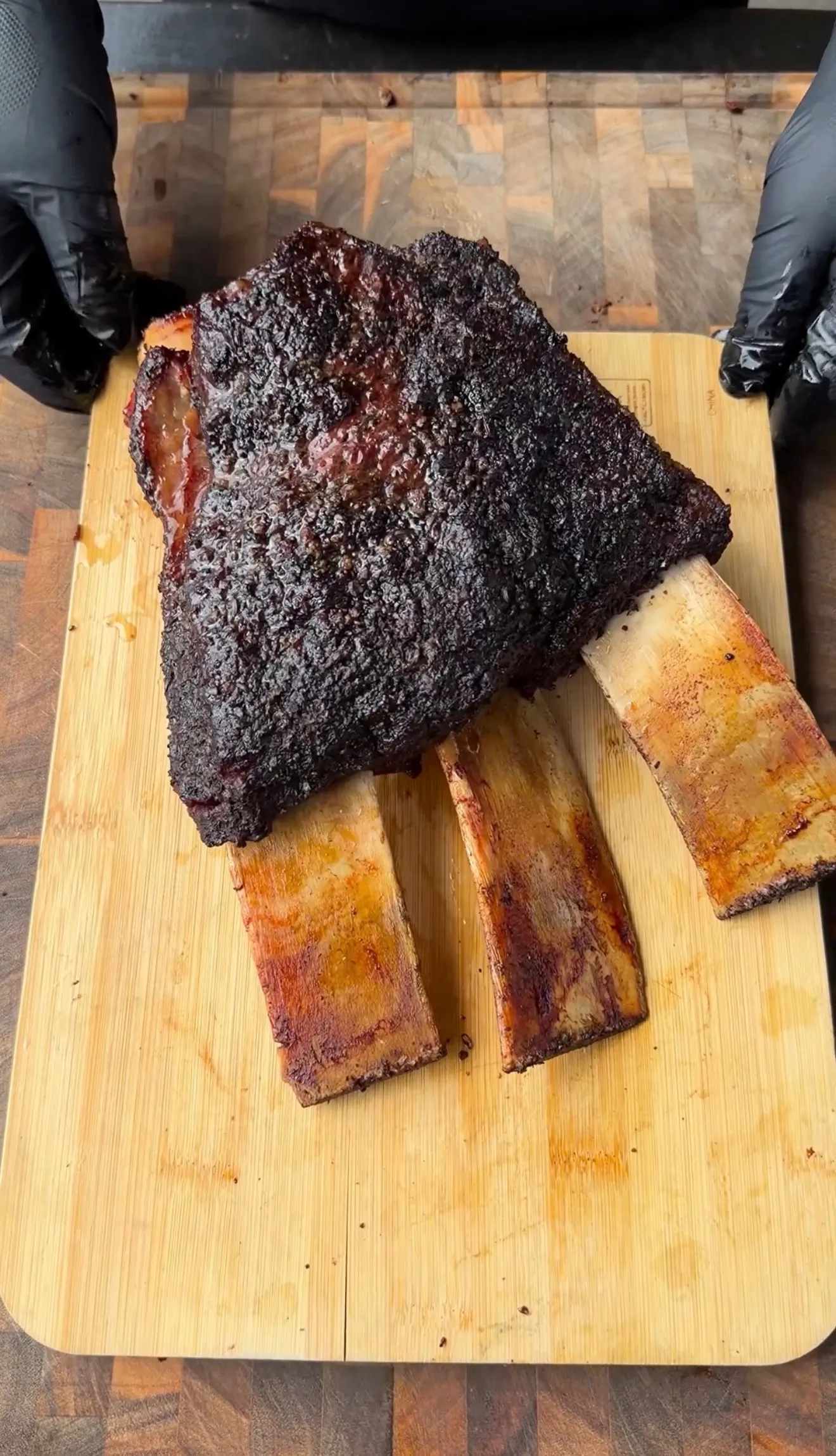
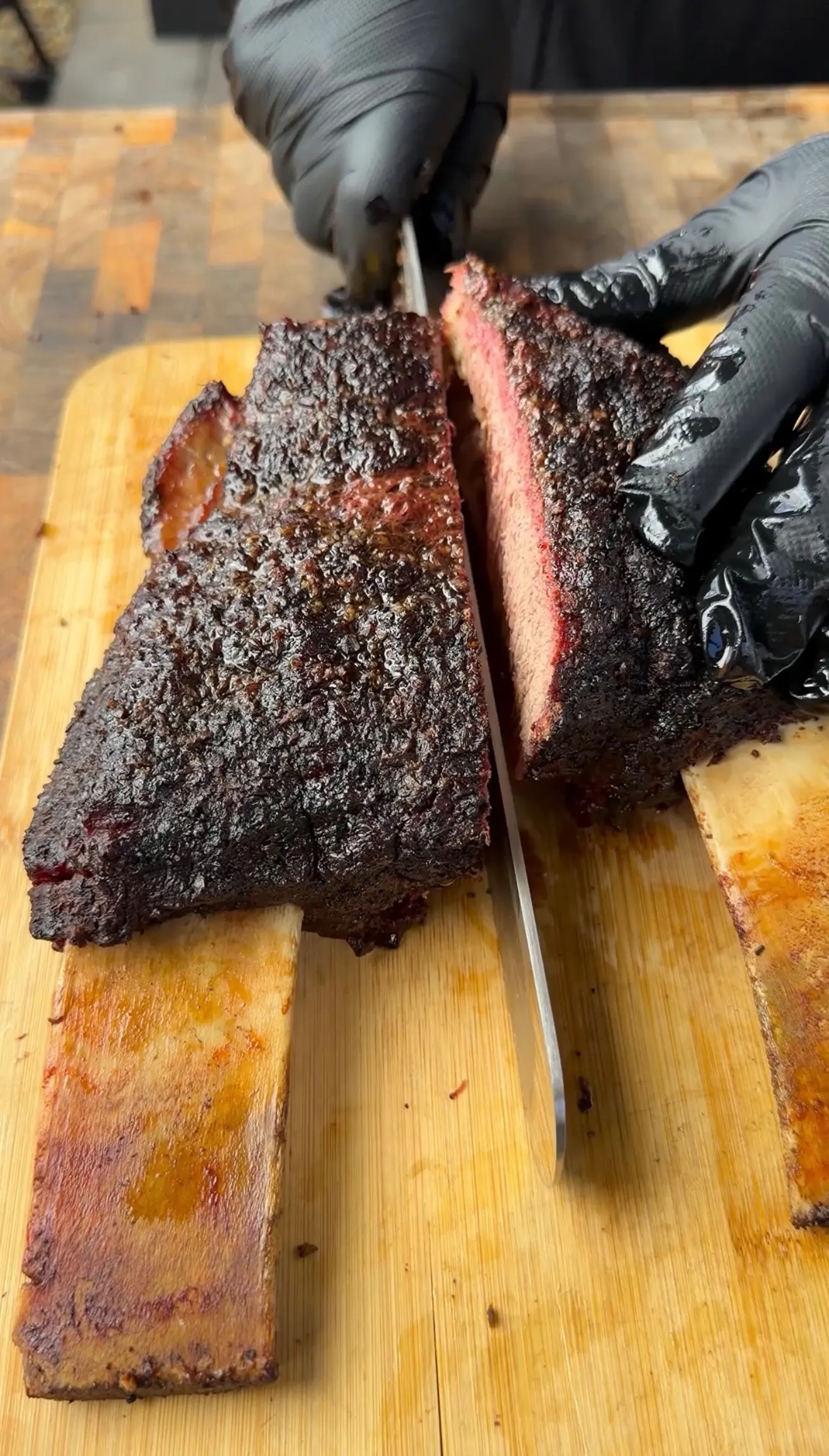
Slice straight down between each bone to portion the rack. Each plate rib yields one thick, meaty section. Use a sharp slicing knife and let it do the work. Moreover, serve the slices right away while the bark is firm and the interior is hot. The pink smoke ring under the bark signals a proper smoke. Smoked beef plate ribs need no sauce, though a sharp pickle or raw onion cuts the richness well. Serve them with white bread, beans, or a crisp slaw.
Step-by-Step: How to Make Hickory Smoked Beef Plate Ribs
Step 1: Prep the Ribs
Using a sharp knife, carefully remove the silver skin from the meat side of the ribs, leaving the bone side intact. This lets the seasoning and smoke make better contact with the meat while helping the bark form. Season generously on all sides with your favorite beef rub or a simple mix of salt, pepper, and garlic.
Step 2: Smoke the Ribs
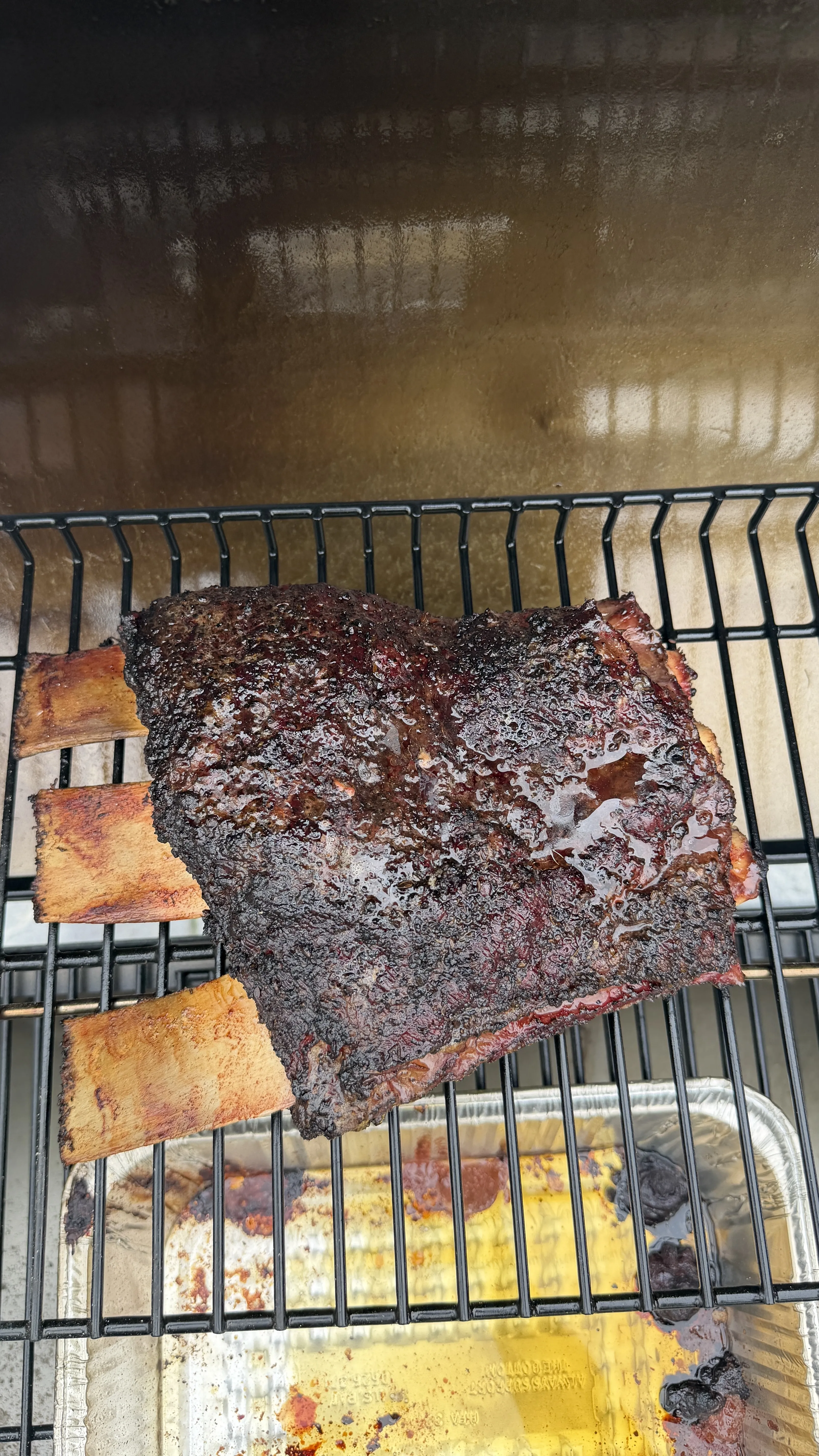
Preheat your smoker to 275°F using hickory wood. Place the ribs in the smoker and cook until they reach an internal temperature of about 175°F and the bark has developed a rich, dark color.
Step 3: Wrap and Finish
Transfer the ribs to a foil pan and cover tightly with foil. Return them to the smoker and continue cooking until the internal temperature reaches 203 to 204°F and the meat probes tender.
Step 4: Firm Up the Bark
Remove the foil cover and carefully take the ribs out of the pan. Place them back on the smoker grates uncovered for 15 minutes to allow the bark to tighten back up.
Step 5: Rest and Serve
Remove the ribs from the smoker and let them rest for 20 minutes before slicing. Slice between the bones and serve immediately while the bark is firm and the interior is hot.
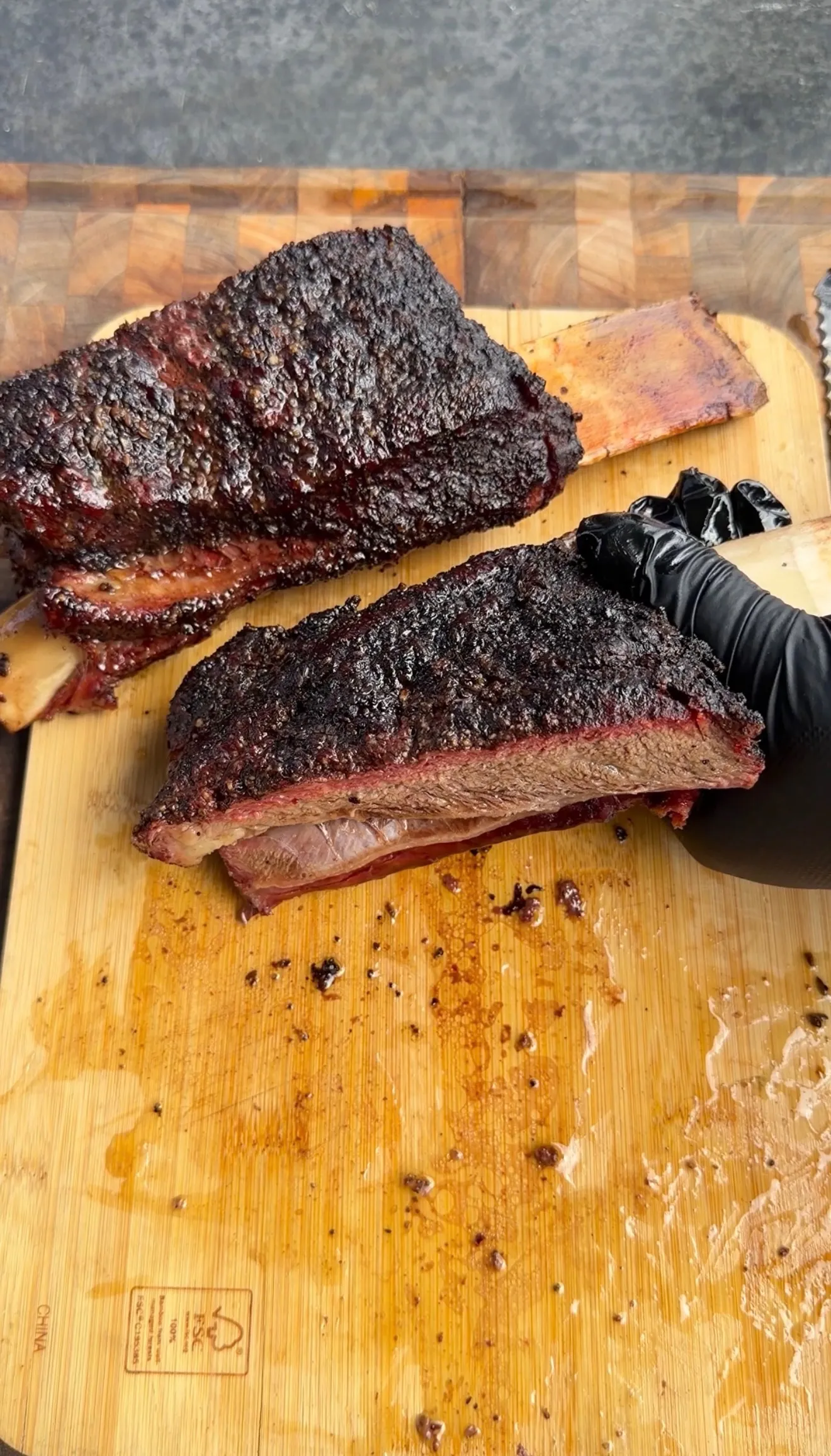
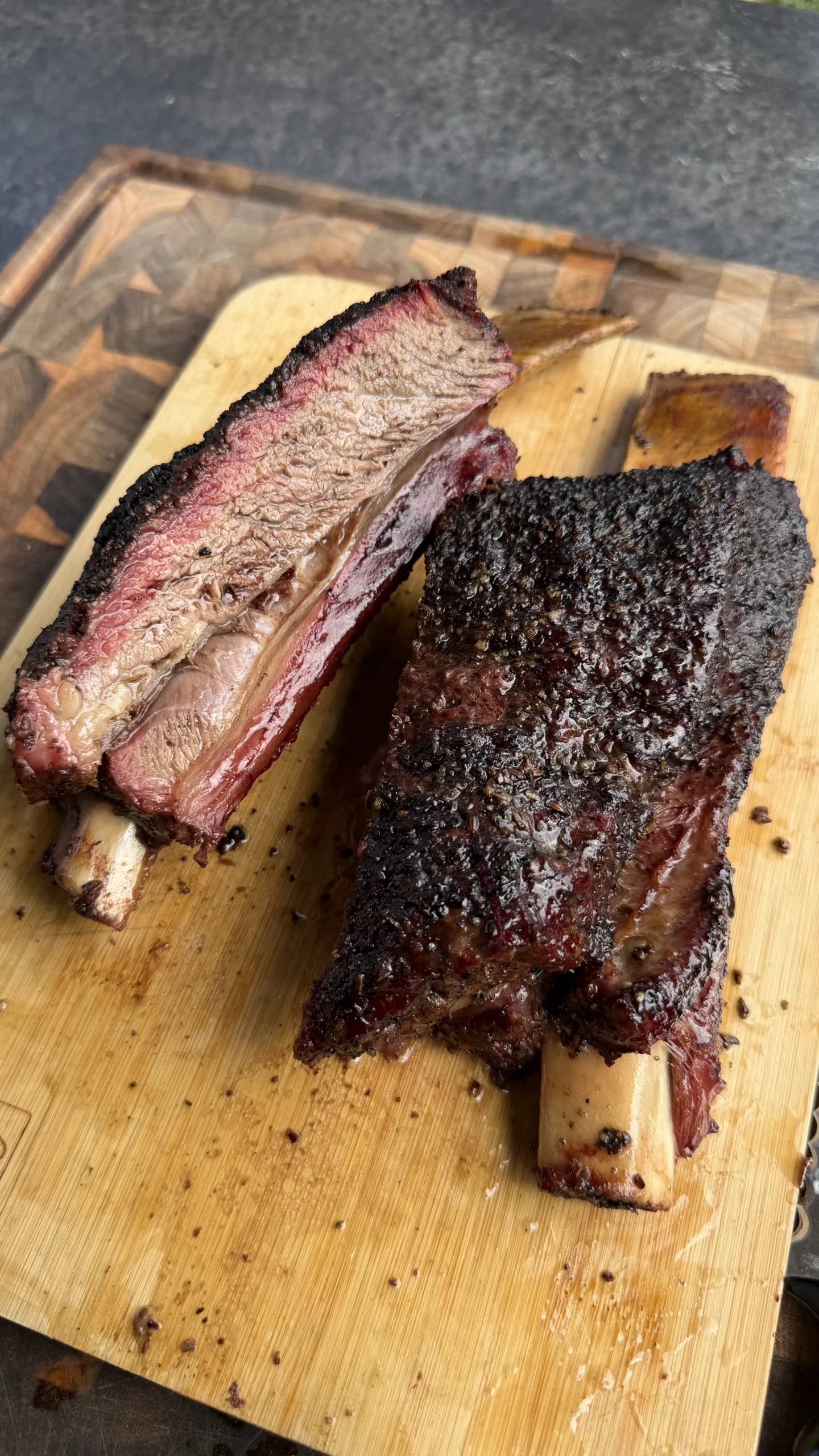
Hickory Smoked Beef Plate Ribs
Ingredients
Equipment
Method
- Using a sharp knife, carefully remove the silver skin from the meat side of the ribs, leaving the bone side intact. This lets the seasoning and smoke contact the meat directly and helps the bark form.
- Season generously on all sides with your favorite beef rub, or a simple mix of salt, pepper, and garlic.
- Preheat your smoker to 275°F using hickory wood. Place the ribs in the smoker and cook until they reach an internal temperature of about 175°F and the bark has developed a rich, dark color.
- Transfer the ribs to a foil pan and cover tightly with foil. Return them to the smoker and continue cooking until the internal temperature reaches 203 to 204°F and the meat probes tender.
- Remove the foil cover and take the ribs out of the pan. Place them back on the smoker grates uncovered for 15 minutes to let the bark tighten back up.
- Remove the ribs from the smoker and let them rest for 20 minutes before slicing. Slice between the bones and serve immediately.
Notes
Tried this recipe?
Let us know how it was!Hickory Smoked Beef Plate Ribs — FAQ
Common questions about smoking tender, barked-up beef plate ribs.
Cut & Prep Basics
Beef plate ribs come from the lower rib cage, ribs six through eight, and carry thick, heavily marbled meat on long bones. They hold far more meat than back ribs and come in larger sections than short ribs. Because of their rich marbling and beefy flavor, they’re often called “brisket on a stick.” A three-bone rack runs around 4 pounds and feeds three to four people. Look for an even, thick meat cap across all three bones.
Remove the silver skin from the meat side only. That thin, tough membrane blocks seasoning and keeps bark from forming directly on the beef. Slide a sharp knife under one edge and peel it away. Leave the membrane on the bone side intact, since it holds the rack together through the long cook. Pulling the meat-side silver skin lets the seasoning and smoke contact the beef directly, which improves both flavor and bark.
Hickory is the pick here. It gives a bold, traditional flavor that stands up to the rich marbling of plate ribs. Use hickory chunks or pellets depending on your smoker. Hickory runs strong, so on thinner racks you can blend it with oak or post oak for a cleaner, milder profile (oak is the classic Texas choice for big beef). A small amount of cherry adds color and a faint sweetness if you want it.
Smoke at 275°F. Cook unwrapped until the internal temperature hits about 175°F and the bark is dark and set, then wrap and finish to 203 to 204°F. The number is a guide, not the goal. The real signal is feel: the probe should slide into the meat with very little resistance, like going into softened butter. If it drags, give the ribs more time and check again in about 20 minutes.
Cook & Timing
Wrap once the bark is dark and firmly set, around 175°F internal. Wrapping in a foil pan pushes the ribs through the stall, where evaporative cooling holds the temperature flat for hours, and it traps moisture so the meat finishes tender. Wait for the bark to form first, since wrapping too early softens it. After the ribs hit 203°F in the pan, pull the foil and put them back on the grates uncovered for 15 minutes to firm the bark back up before resting.
A 4-pound, three-bone rack typically takes 6 to 8 hours at 275°F, depending on the thickness of the ribs and your smoker. Cook to tenderness rather than the clock, since every rack renders at its own pace. Build in a 20-minute rest after the cook so the juices redistribute before you slice. When you’re planning around a meal time, give yourself a buffer of an hour or so, since plate ribs can stall longer than expected.
Ready to Level Up?
Take your backyard cooking from good to legendary.
This is where I keep all my most-used smokers, knives, and favorite cooking tools.
Shop My Gear CollectionExplore More Recipes
Find more diverse flavors at CWFeats.com